Are you wondering which software can boost your business and make your daily tasks easier? Choosing the right tools can save you time, reduce stress, and help your business grow faster.
You’ll discover the most popular and effective software used by businesses of all sizes. Whether you want to manage your finances, communicate better with your team, or improve customer service, the right software is just a few clicks away. Keep reading to find out how these tools can transform your work and give you a real advantage.

Credit: www.clearpointstrategy.com
Essential Business Software Categories
Businesses use different types of software to run smoothly. These tools help manage tasks, teams, and data. Choosing the right software saves time and cuts costs. Here are some key software categories every business should know.
Customer Relationship Management (crm)
CRM software helps businesses manage contacts and customer info. It tracks sales leads and customer interactions. This tool improves customer service and boosts sales. Many companies use CRM to keep clients happy and loyal.
Enterprise Resource Planning (erp)
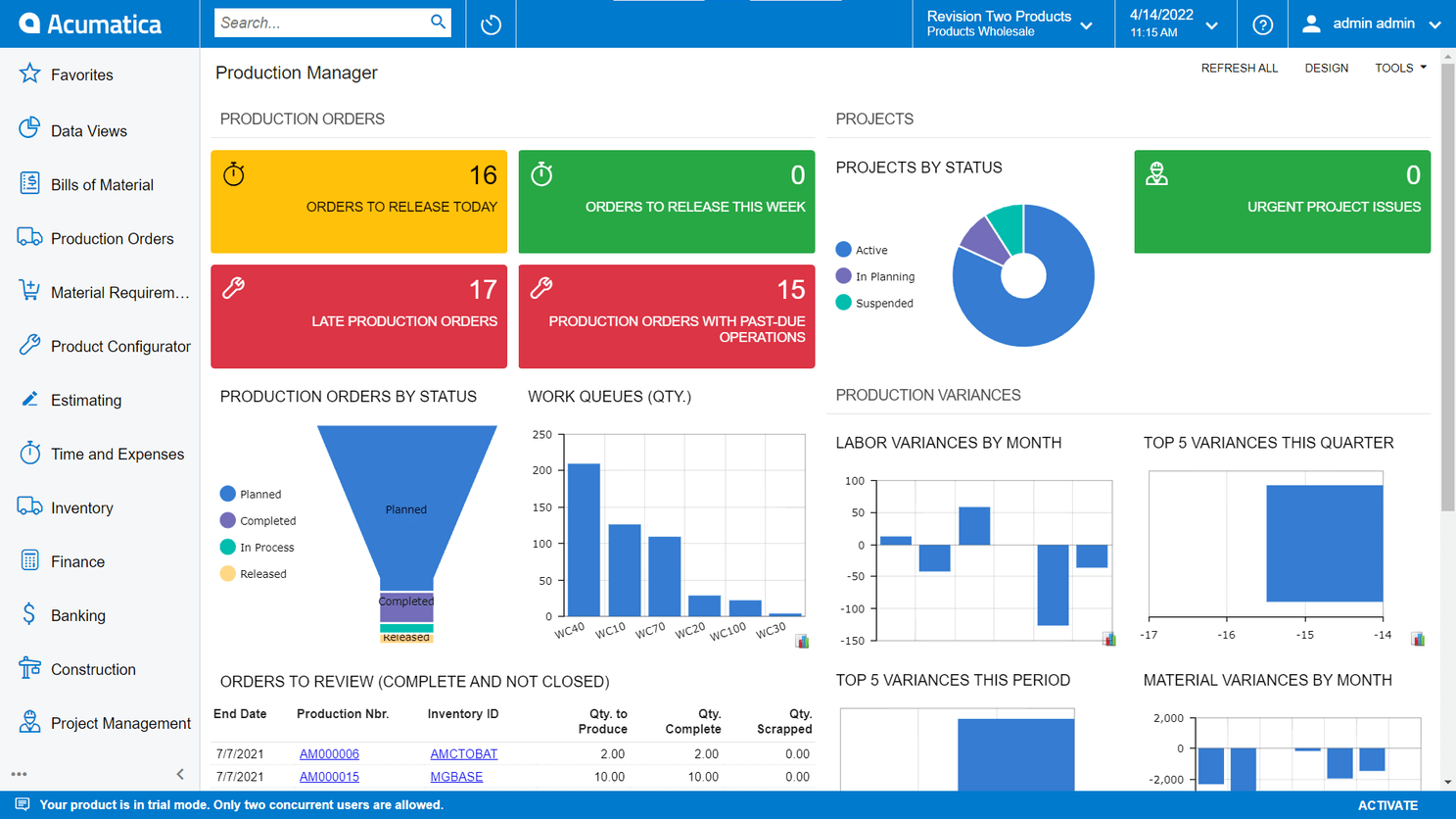
ERP software integrates core business processes in one system. It covers finance, supply chain, and inventory management. ERP helps companies plan resources and reduce errors. Large businesses often rely on ERP for smooth operations.
Accounting And Finance Tools
These tools handle invoicing, payroll, and financial reporting. They help track income and expenses accurately. Accounting software keeps business finances organized and compliant. Small and big businesses use these tools daily.
Project Management Solutions
Project management software organizes tasks and deadlines. Teams use it to assign work and track progress. This software improves team collaboration and project success. It keeps projects on time and within budget.
Communication And Collaboration Apps
These apps connect team members through chat, calls, and video. They allow sharing files and working together in real time. Communication tools make teamwork easier across different locations. Many businesses depend on these apps to stay connected.
Popular Crm Tools
Customer Relationship Management (CRM) tools help businesses manage interactions with clients. These tools organize customer data, track sales, and improve communication. They make it easier to build strong relationships and grow the business. Many companies use popular CRM software to stay efficient and organized.
Salesforce
Salesforce is a top CRM used by many businesses worldwide. It offers features for sales, marketing, and customer service. The platform is highly customizable to fit different business needs. Salesforce helps teams track leads and close deals faster. It also provides detailed reports to understand customer behavior.
Hubspot Crm
HubSpot CRM is free and easy to use. It suits small to medium businesses well. This tool offers email tracking, sales automation, and contact management. HubSpot CRM integrates with many other tools for smooth workflows. It helps teams stay organized and follow up with prospects quickly.
Zoho Crm
Zoho CRM is known for affordability and flexibility. It supports sales automation, analytics, and customer support. The platform works well for businesses of all sizes. Zoho CRM offers mobile apps to manage tasks on the go. It also provides AI features to predict sales trends and improve customer service.
Leading Erp Systems
Enterprise Resource Planning (ERP) systems help businesses manage daily activities. These systems integrate various functions like finance, supply chain, and human resources. Leading ERP systems support companies of all sizes to improve efficiency and decision-making. Here are some top ERP solutions used worldwide.
Sap
SAP is a popular ERP system with a global reach. It offers modules for finance, sales, and production. SAP suits large businesses with complex processes. The system provides real-time data and analytics. Many companies trust SAP for its reliability and scalability.
Oracle Erp Cloud
Oracle ERP Cloud runs entirely online, making access easy. It covers financial management, procurement, and project management. The cloud setup allows updates without downtime. Oracle ERP Cloud helps businesses stay flexible and efficient. It fits companies that need modern, scalable solutions.
Microsoft Dynamics 365
Microsoft Dynamics 365 combines ERP and customer relationship tools. It offers modules for finance, operations, and sales. The system integrates well with other Microsoft products. Small and medium businesses often choose it for its ease of use. Dynamics 365 supports growth with its modular design.

Credit: instapage.com
Top Accounting Software
Accounting software helps businesses manage money with ease. It tracks expenses, invoices, and payments. This software saves time and reduces errors. Choosing the right tool depends on your business size and needs. Here are some top accounting software options popular among businesses.
Quickbooks
QuickBooks is a popular choice for many businesses. It offers tools for invoicing, expense tracking, and payroll. The software is easy to use and has strong customer support. Many small and medium businesses trust QuickBooks. It also integrates with many other business apps.
Xero
Xero is known for its clean design and simple interface. It supports bank reconciliation and financial reporting. Xero works well for small businesses and freelancers. Users like its cloud-based system, which allows access from any device. The software offers multiple user access with different permissions.
Freshbooks
FreshBooks is designed for small businesses and service providers. It focuses on invoicing and time tracking features. FreshBooks is simple to set up and use. It also includes tools for expense management and project tracking. Many find FreshBooks useful for managing client payments.
Best Project Management Tools
Project management tools help teams organize tasks and meet deadlines. They keep work clear and improve team communication.
Choosing the right tool can make a big difference in how smoothly a project runs. Here are some top options used in businesses.
Trello
Trello uses boards, lists, and cards to show project progress. It is simple and visual, perfect for small teams. Users can move cards to show task status. Trello also allows adding comments, due dates, and checklists.
Asana
Asana helps track work from start to finish. It offers tasks, projects, and timelines in one place. Teams can assign tasks and set priorities easily. Asana also provides progress reports to keep everyone informed.
Monday.com
Monday.com is flexible and suits many project types. It uses customizable boards to match team needs. Users can see tasks, deadlines, and responsible persons at a glance. The platform supports automation to save time.
Credit: www.softkraft.co
Effective Communication Platforms
Effective communication is vital for any business. It keeps teams connected and work moving. Good communication tools help share ideas fast. They reduce misunderstandings and save time. Many businesses use software to chat, call, and meet online. These platforms suit remote teams and office workers alike. Here are some popular communication platforms used by businesses today.
Slack
Slack is a messaging app designed for teams. It organizes conversations into channels for different topics. Users can send direct messages or share files. Slack supports video calls and integrates with many apps. It helps teams stay focused and work faster.
Microsoft Teams
Microsoft Teams combines chat, video calls, and file sharing. It works well with other Microsoft Office tools. Teams allows group meetings and real-time collaboration on documents. It is widely used by businesses of all sizes. The platform offers strong security for business data.
Zoom
Zoom is a popular video conferencing tool. It hosts virtual meetings with many participants. Zoom offers screen sharing and recording features. It works on computers, tablets, and phones. Many businesses use Zoom for remote meetings and webinars.
Choosing The Right Software
Choosing the right software for your business is a key step in improving efficiency. The right tools help your team work faster and smarter. It also saves time and reduces errors. Choosing software is not just about features. It is about matching those features with your business needs.
Each business has unique requirements. Knowing what you need helps find software that fits. The right software grows with your business and works well with other tools. Cost matters too. You want the best value without overspending. Let’s explore how to choose the best software.
Assessing Business Needs
Start by listing what your business needs from software. Think about daily tasks and challenges. Identify which processes need automation or improvement. Ask your team what tools they find useful. Focus on must-have features, not just nice-to-have. Clear needs lead to better software choices.
Scalability And Integration
Choose software that grows with your business. It should handle more users and data as you expand. Check if it works well with your current systems. Integration avoids data silos and duplicate work. Software that connects easily saves time and effort. Plan for the future, not just today.
Budget Considerations
Set a clear budget before searching for software. Include costs like licenses, support, and updates. Free software may lack important features or support. Paid options often offer more reliability and service. Balance cost with benefits to find good value. Avoid overspending on features you won’t use.
Emerging Trends In Business Software
Business software keeps changing fast. New trends shape how companies work every day. These trends help businesses save time and work smarter. They also improve how teams communicate and share data.
Understanding the latest trends helps businesses pick the right tools. These tools match the needs of today’s fast-moving markets. Here are some key trends making a big impact.
Ai And Automation
Artificial intelligence (AI) is now part of many business tools. AI helps with tasks like customer service, data analysis, and decision-making. Automation reduces the time spent on repetitive jobs. It allows employees to focus on creative and strategic work. AI and automation improve accuracy and speed in business processes.
Cloud-based Solutions
Cloud software stores data and programs online. This allows easy access from anywhere with internet. It also cuts costs on hardware and IT support. Cloud solutions update automatically and offer better security. Businesses can scale their operations up or down smoothly. Collaboration between teams improves with cloud platforms.
Mobile Accessibility
More business software works on mobile devices now. Employees can access apps on phones or tablets anytime. This supports remote work and quick decision-making. Mobile-friendly software helps teams stay connected on the go. It increases flexibility and boosts productivity outside the office.
Frequently Asked Questions
What Are The Essential Software Types For Business Use?
Essential business software includes accounting, CRM, project management, communication, and marketing tools. These help streamline operations and boost productivity.
Which Software Improves Business Communication Effectively?
Tools like Slack, Microsoft Teams, and Zoom enhance business communication. They support real-time messaging, video calls, and collaboration for teams.
How Does Accounting Software Benefit Businesses?
Accounting software automates financial tasks, tracks expenses, and manages invoices. It ensures accuracy, saves time, and helps maintain financial compliance.
What Role Does Crm Software Play In Business Growth?
CRM software manages customer relationships by tracking interactions and sales. It improves customer service and drives sales growth through better insights.
Conclusion
Choosing the right software boosts business efficiency and growth. Different tools serve different needs, like communication, finance, and project management. Simple software can save time and reduce errors. Small and large businesses both benefit from smart software choices. Keep your business goals clear when selecting software.
Test options to find what fits best. Good software helps teams work better and faster. Technology supports success in today’s business world.