
Are you on the verge of choosing an operating system for your web hosting needs? The decision between Windows and Linux can seem overwhelming, especially when you consider the intricacies each system holds.
You might be wondering which one is truly more complex. It’s a question that can influence your hosting efficiency, cost-effectiveness, and overall satisfaction. We’re diving deep into the nuts and bolts of both systems. We’ll unravel their complexities, comparing features, usability, and performance, so you can make a confident choice.
Get ready to discover which operating system aligns with your web hosting goals and unlocks the potential for your online presence. Your journey to understanding starts here.
Windows Vs Linux: Basic Differences
Windows has a closed-source architecture. It means only Microsoft knows its code. This makes it less flexible for developers. Linux uses open-source architecture. Anyone can see its code. This allows developers to modify and share it freely. Linux offers more freedom to customize. Many programmers prefer it for this reason. Windows is more rigid. It suits users who need a stable system. These differences affect how each system runs.
Windows has a user-friendly interface. It is easy to use for beginners. Icons and menus are clear and simple. Linux has many different interfaces. Some are easy; others are complex. Users can choose their favorite. Linux offers more choices. This can be confusing for new users. Windows is consistent across versions. It is reliable for everyday tasks. Many users feel comfortable with its setup.
Web Hosting Features
Windows and Linux support many web technologies. Linux works well with PHP and MySQL. It is good for WordPress sites. Windows is perfect for ASP.NET and MSSQL. Many people choose based on their project needs. Both systems can run most websites. But, some features might work better on one. Choose the right system for your project.
Performance is crucial in web hosting. Linux is often faster and uses less memory. It handles many users at once. Windows can be slower but is very reliable. It supports many applications. Check your hosting needs before choosing. Both systems have strengths. Both can provide a great experience. Understand what you need for the best choice.
Security Considerations
Both Windows and Linux face security threats. Windows often gets targeted due to its popularity. Hackers might find more vulnerabilities. Linux is open source. This allows fast detection of security issues. But it also means anyone can spot vulnerabilities. Linux users often have to handle updates manually. This can be a hassle. Security patches are crucial for safety. Regular updates keep systems secure. Missing updates can lead to threats.
Windows offers automatic updates. This ensures security patches are applied quickly. Users receive notifications for important updates. Linux allows users to customize security settings. This makes it flexible. Users can install additional security tools. Both systems offer firewalls for protection. Firewalls block unwanted access. Antivirus tools help detect malware. Choosing the right security tools is essential. Regular monitoring is advised. This helps prevent security breaches.
Ease Of Use And Management
Windows hosting often uses the Plesk control panel. It is easy to navigate for beginners. Icons and menus guide users through tasks. Setting up websites is simple. Linux hosting usually offers cPanel. It is also user-friendly. Many prefer it for its flexibility. Both panels simplify website management. Yet, each has its own style. Users may choose based on personal preference.
Windows servers use GUI-based tools. These tools make tasks easy. Clicking options is straightforward. Linux servers often rely on command line. Some find it challenging at first. Yet, it offers more control. Scripts can automate many tasks. Linux enthusiasts enjoy this power. Both systems have their strengths. Choice depends on user experience and needs.
Customization And Flexibility
Linux often offers greater software integration. It supports a wide range of open-source applications. Windows has more proprietary software. This can limit choices. Linux users can customize freely. Windows users have less flexibility.
Linux provides many configuration options. It allows users to tweak settings. Windows offers fewer choices. Linux is known for its flexibility. It lets users adjust system settings easily. Windows settings can be complex. Users might need help. Linux is often preferred by tech-savvy users. It is more complex but flexible.

Credit: www.zenarmor.com
Cost Implications
Windows hosting often comes with licensing fees. These fees can add up. You must pay for the Windows OS. Linux, on the other hand, is usually free to use. This makes Linux more budget-friendly. Hosting companies may pass these costs to users. It makes Windows hosting more expensive.
Windows might need more frequent updates. Updates can cost money. Paid support is often necessary for Windows. This can increase overall costs. Linux has a large community. They offer free help and support. This can lower maintenance expenses. So, Linux can be cheaper in the long run.
Community Support And Resources
Linux has extensive documentation. Many guides and manuals are available online. Community members often create helpful guides. Windows documentation is also detailed. It usually comes from official sources. Some find it harder to access than Linux resources. The Linux community shares knowledge freely. Users help each other solve problems.
Linux forums are vibrant and active. They offer support for various issues. Users share tips and troubleshoot together. Windows forums are also helpful. They focus on common problems and solutions. Discussions can be technical. Linux forums encourage open communication. Users often feel more connected there.
Scalability And Future Growth
Windows and Linux both handle growing needs well. Linux is popular for its flexibility. It can adapt to many situations. Businesses like its open-source nature. It lets them change the system as needed. Windows offers a familiar interface. It is easy for many people to use. It supports many applications. This makes it good for different tasks. Choosing between them depends on your goals. Consider your needs carefully.
Linux is often seen as a solid choice for the long run. Its open-source nature means it can grow with technology. People around the world help improve it. Windows has strong support from its company. It gets regular updates. This helps it stay current. Both systems have pros and cons. Think about what matters most to you. Your decision will impact future growth. Choose wisely for best results.
Case Studies And Examples
Windows and Linux both offer distinct complexities in web hosting. Windows suits those needing ASP. NET support, while Linux provides flexibility and open-source software. Case studies reveal Linux’s popularity among developers due to its stability and cost-effectiveness, whereas Windows attracts users seeking integration with other Microsoft products.
Popular Websites Using Windows
Big companies often choose Windows for their websites. Microsoft uses Windows for its own sites. This shows trust in their product. GoDaddy, a hosting giant, also trusts Windows. They offer many Windows hosting plans. Dell is another example. They use Windows for their corporate site. These companies show Windows is reliable for big tasks.
Successful Linux Hosting Cases
Many top sites use Linux. Google runs on Linux servers. It handles huge amounts of data every day. Facebook also uses Linux. It supports millions of users at once. Twitter relies on Linux for its speed. These sites show Linux is strong and trusted. It’s great for busy websites. Linux offers flexibility and security. That’s why it’s popular among tech companies.

Credit: blog.qualys.com
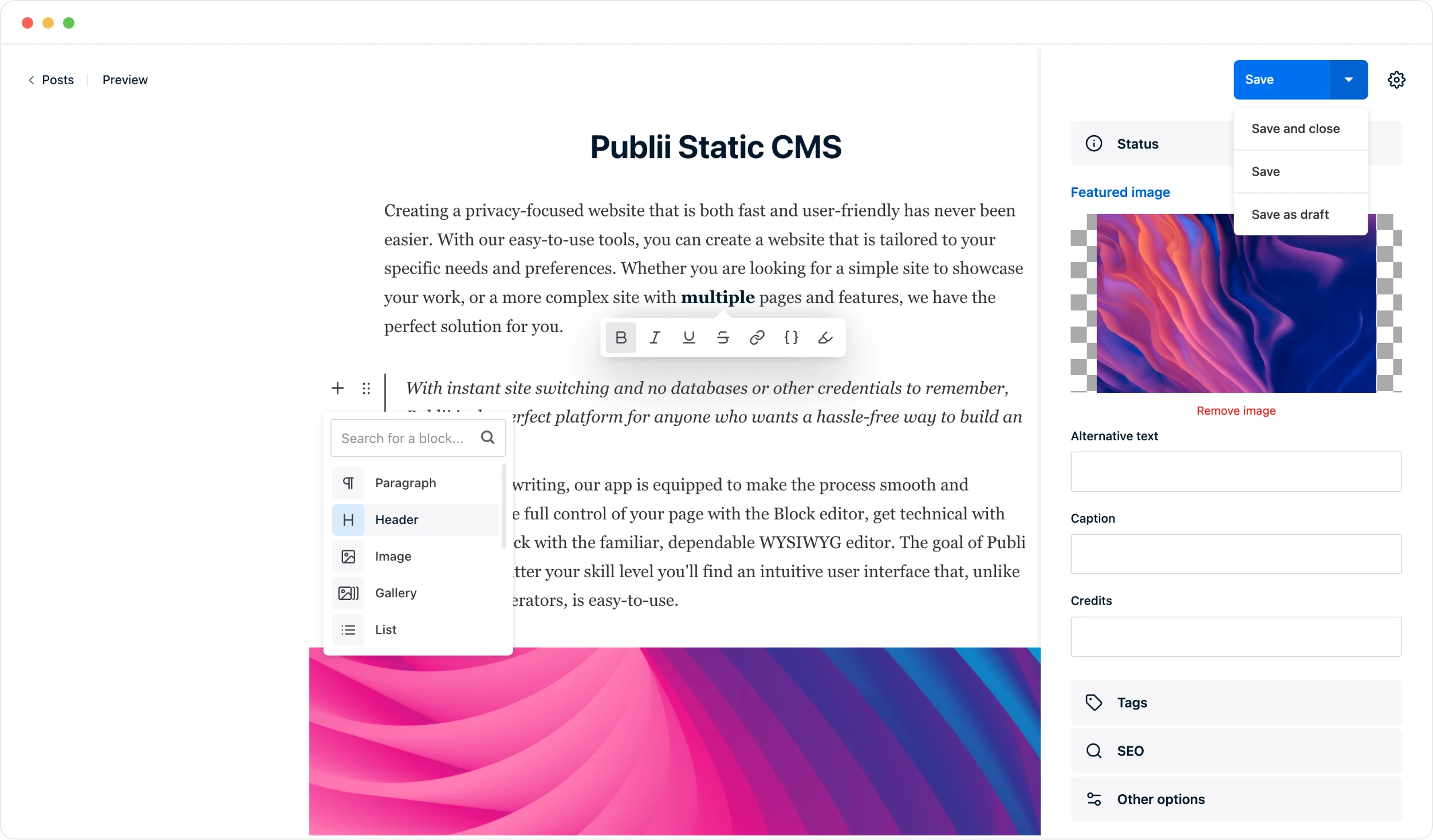
Credit: getpublii.com
Frequently Asked Questions
Which Is Better, Windows Hosting Or Linux Hosting?
Windows hosting suits sites requiring ASP. NET or MSSQL. Linux hosting is ideal for PHP, MySQL, and WordPress. Choose based on your website’s technology and budget. Linux is often cheaper and more popular for most web applications. Windows offers more compatibility with Microsoft technologies.
Is Linux More Complex Than Windows?
Linux can be more complex than Windows for beginners. It offers greater customization and control. Advanced users might find it more flexible. Windows is generally more user-friendly for everyday tasks. Choose based on your needs and technical expertise.
Is Windows Or Linux Better For Web Development?
Both Windows and Linux have their benefits for web development. Windows supports popular tools like Visual Studio. Linux offers a robust environment for server-side scripting. Choose based on your project’s needs and personal preference. Both are powerful options for developers.
What Is The Best Os For Web Server Hosting?
Linux is the best OS for web server hosting. It offers stability, security, and compatibility with popular software. Apache, Nginx, and MySQL work seamlessly on Linux. Its open-source nature allows customization and cost savings. Many web hosting providers prefer Linux for its reliability and performance.
Conclusion
Choosing between Windows and Linux for web hosting depends on your needs. Linux offers flexibility and cost-effectiveness. Windows provides ease of use and compatibility with Microsoft products. Both have their strengths and challenges. Consider your technical skills and project requirements.
Linux suits those seeking customization and open-source options. Windows fits those needing specific software support. Assess your budget and the level of support required. Remember, the best choice aligns with your hosting objectives and resources. Make an informed decision for a successful hosting experience.


