
Are you puzzled by the myriad of certificates available for web hosting and unsure which one is right for your website? You’re not alone.
Choosing the right certificate can feel overwhelming, especially when each option seems to promise the same thing: security and trust. But here’s the secret—selecting the perfect certificate can significantly impact your site’s credibility, search engine ranking, and even conversion rates.
Imagine having a website that not only runs smoothly but also reassures your visitors with top-notch security. We will demystify the different types of certificates and guide you to the one that perfectly complements your web hosting needs. Dive in to discover how the right choice can enhance your online presence and safeguard your digital assets.

Credit: stackoverflow.com
Web Hosting Essentials
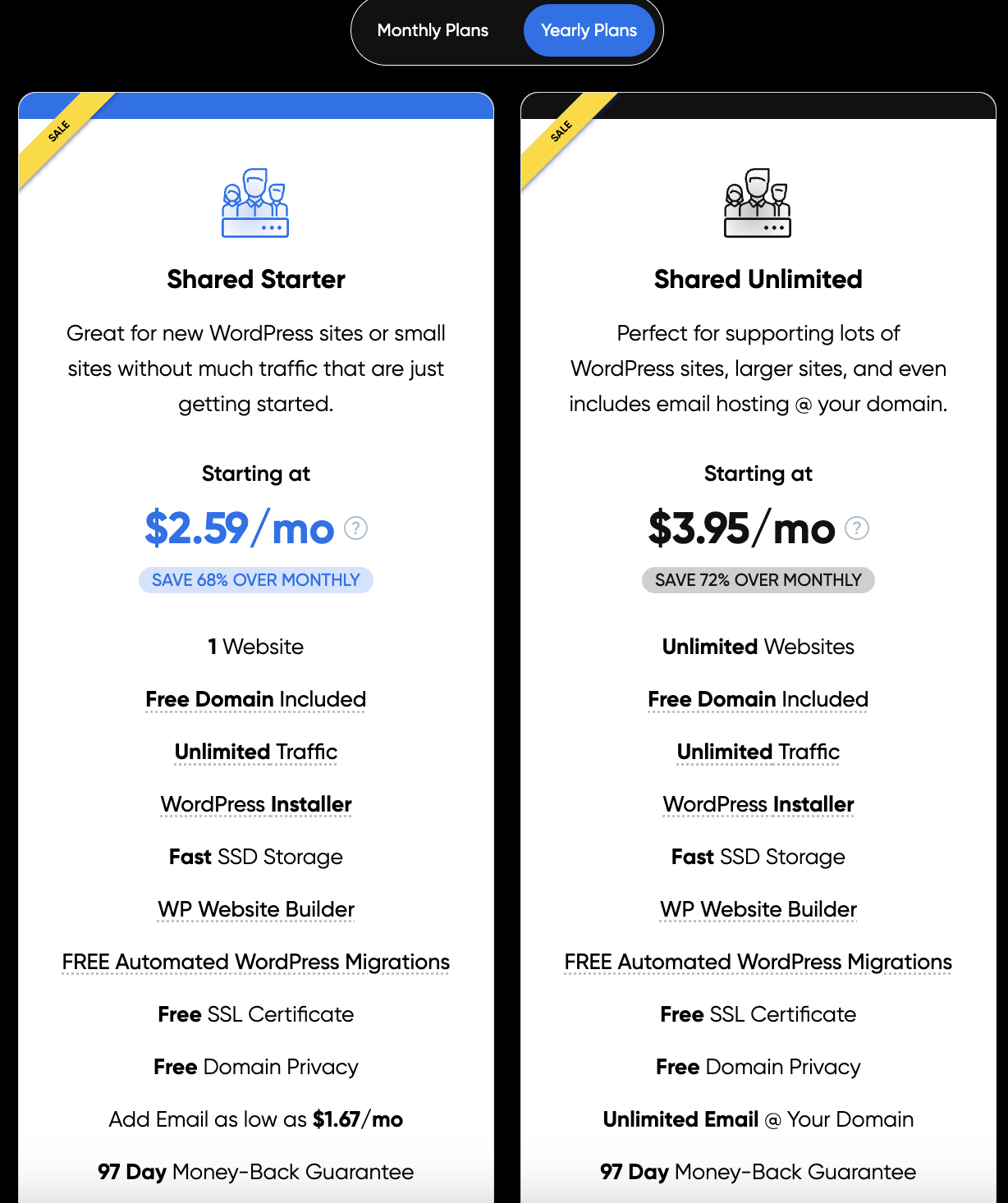
Web hosting comes in many types. Shared hosting is common. Many websites share one server. Dedicated hosting is different. One server hosts only your website. VPS hosting means virtual private server. It acts like a dedicated server. Cloud hosting is flexible. Resources adjust based on need. Choose based on your site’s size.
Think about what your website needs. Small websites often use shared hosting. Large websites need more power. VPS or dedicated hosting is better. Cloud hosting offers flexibility. It’s good for changing needs. Check the cost and support. Choose what fits your budget and needs.
Importance Of Ssl Certificates
SSL stands for Secure Sockets Layer. It’s a special safety tool. SSL helps to protect data on the internet. When you visit a website, SSL keeps your information safe. Passwords, credit card numbers, and emails stay private. Websites with SSL have a padlock symbol in the address bar. This means the website is safe to use.
SSL makes sure data travels safely between your computer and a website. It uses encryption to hide your information. This means only the right people can see it. Hackers can’t steal or change your data. SSL also helps websites prove their identity. This builds trust with visitors. People feel safe to browse and shop online.
Types Of Ssl Certificates
Domain Validated (DV) Certificates are the easiest to get. They verify ownership of a domain. No business details are needed. They are often used for personal sites. They provide basic security. They are quick to issue. They are also cheap.
Organization Validated (OV) Certificates offer more trust. They verify business identity. They include domain and company details. They are used by businesses. They are not as fast as DV certificates. They cost more. They provide better security.
Extended Validation (EV) Certificates are the most trusted. They require strict checks. They show a green bar in browsers. They prove strong business identity. They are used by big companies. They take longer to get. They are expensive. They offer top security.

Credit: www.techradar.com
Choosing The Right Certificate
Certificates keep websites safe. They protect information from bad people. Security is the first thing to think about. Different certificates have different features. Price also matters. Some certificates cost more money. It’s important to pick one that fits your budget. Another factor is compatibility. It should work with your hosting. Renewal is also key. Some certificates need renewal every year. Others last longer. Choose what is easy for you.
Every business is different. Small businesses might not need expensive certificates. Large businesses have more data. They need strong protection. Some sites need wildcard certificates. These work for many subdomains. EV certificates show the business name in the browser. This builds trust. DV certificates are quick and easy. They work for blogs or small sites. Picking the right one is very important.
Installation And Management
Choosing the right certificate for web hosting ensures security and trust. SSL certificates protect data and build user confidence. Managing these certificates involves regular updates and renewals for optimal performance.
Steps For Installing Ssl Certificates
Begin by choosing a trusted SSL certificate provider. Next, generate a Certificate Signing Request (CSR) from your server. This CSR contains your server information. Send the CSR to your provider to obtain your SSL certificate. Once received, install the certificate on your server. Follow your server’s specific instructions for installation. After installing, verify the certificate to ensure it’s working correctly. Check your website’s HTTPS connection. If successful, your site is secure. Keep a backup of your SSL files. This helps in quick recovery if needed.
Managing And Renewing Certificates
Regularly monitor your SSL certificate’s expiration date. Set reminders for renewals. Start renewal process before expiration to avoid downtime. Renewing keeps your website secure. Some providers offer auto-renewal options. Check if your provider supports this. Update your certificate after renewal. Ensure it’s installed correctly. Regular checks ensure certificate validity. Keep your server software updated. This maintains compatibility with your SSL certificate. Managing certificates is crucial for web security.
Benefits Of Secured Hosting
Secured hosting makes people feel safe. They trust sites with security certificates. People avoid websites that seem unsafe. SSL certificates help build this trust. These certificates show that the site is secure. A secure site means safe data. User trust grows with secure hosting.
Search engines like secure sites. Sites with SSL certificates rank better. This means more people visit. More visits can mean more sales. Search engines notice security. They rank secure sites higher. Higher ranks bring more people. Secure hosting helps with SEO.
Common Challenges And Solutions
SSL certificates help keep websites safe. Sometimes, SSL errors pop up. These errors can make sites look unsafe. One common issue is certificate mismatch. This happens if the site’s name is wrong. Always check the site name. Another issue is expired certificates. Always renew SSL certificates on time. Broken SSL chains can also cause trouble. Ensure every link in the chain is correct. A quick check can fix many SSL problems. Keeping certificates updated is key. Regular checks keep sites secure.
Security is very important for websites. SSL certificates play a big role. These certificates keep data safe from hackers. It’s important to renew certificates before they expire. This keeps the site protected. Choose certificates from trusted sources. This ensures they are reliable. Regular checks help find security gaps. Fixing gaps quickly is important. Always have a plan for security updates. Keeping an eye on these things helps maintain site safety.
Credit: www.ryrob.com
Frequently Asked Questions
What Is A Hosting Certificate?
A hosting certificate, also known as an SSL certificate, secures data transferred between servers and users. It encrypts information, protecting sensitive data like passwords and credit card numbers. Websites with hosting certificates display HTTPS in the URL, ensuring trust and security for users.
Do I Need An Ssl Certificate For My Website?
Yes, an SSL certificate is essential for website security. It encrypts data, protects user information, and boosts trust. Search engines favor secure sites, improving SEO rankings. Users expect secure connections, especially for transactions, enhancing credibility and preventing data breaches. Overall, SSL is crucial for a secure and trusted online presence.
Is Ssl The Same As Hosting?
SSL is not the same as hosting. SSL secures data transfer between a website and users. Hosting provides storage and access for website files. Both are essential for a secure and functional website, but they serve different purposes. SSL enhances security, while hosting ensures website accessibility and storage.
Do I Need An Ssl Certificate For Each Domain?
You need an SSL certificate for each domain to ensure secure data transmission. Multi-domain SSLs can cover multiple domains. Choose a certificate that fits your needs to enhance security and trust.
Conclusion
Selecting the right certificate is crucial for web hosting success. Choose based on your website’s needs. SSL certificates enhance security and trust. They protect user data effectively. For e-commerce sites, opt for EV SSL for added credibility. Consider costs, too.
Free SSL options work for smaller sites. Always ensure compatibility with your hosting provider. Doing so avoids technical issues. Prioritize security and user experience. A secure website builds trust and loyalty. Research and make informed decisions. Your website’s safety depends on it.


