
Are you considering hosting options for your website, but feeling overwhelmed by the choices? You’re not alone.
With so many options available, it’s easy to get confused. Two popular choices are Cloud Web Hosting and Virtual Private Server (VPS) hosting. But what’s the real difference between them, and which one is right for you? Understanding these differences can save you time, money, and headaches in the long run.
Imagine having the power to make an informed decision that ensures your website runs smoothly, securely, and efficiently. Whether you’re a small business owner, an entrepreneur, or just someone looking to establish an online presence, choosing the right hosting solution is crucial. We’ll break down the differences in simple terms, helping you understand which option aligns best with your needs. Stay with us, and by the end, you’ll have the confidence to choose the hosting service that suits you perfectly.
Credit: www.cloudpanel.io
Cloud Hosting Basics
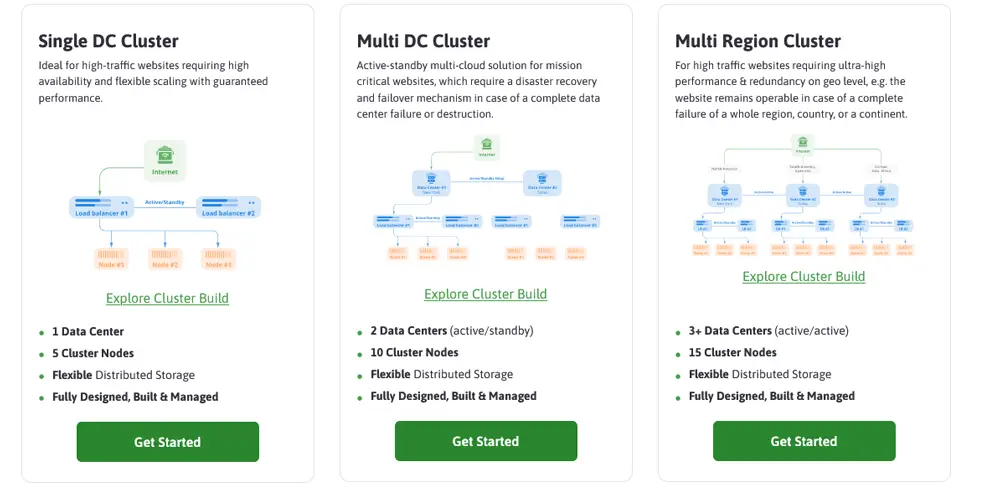
Cloud hosting uses many servers to host websites. This means your website can use resources from different servers. If one server fails, another can take over. This makes cloud hosting very reliable. It also allows for easy scaling. You can add more resources when needed. Costs are often based on usage. You pay for what you use. This makes it cost-effective for many businesses.
Websites are stored across many servers. These servers work together. They form a cloud. Resources can be shared among the servers. This helps balance loads. It keeps websites running smoothly. Data can move between servers as needed. This provides flexibility. Cloud hosting adapts to traffic changes. This ensures fast performance. It can handle high traffic easily.
Credit: www.inmotionhosting.com
Vps Hosting Essentials
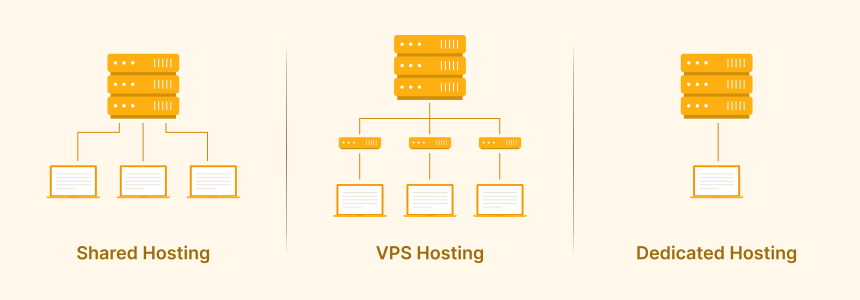
VPS stands for Virtual Private Server. It is like renting your own space on a large server. Each VPS is isolated from others on the same server. This means you get your own resources like CPU and RAM. It’s more secure than shared hosting. You can install software and have full control. Think of it as a private room in a big house.
A large server is split into many small parts. Each part acts like a separate server. Users can choose their own operating system. They can also choose how much storage and memory they need. If one VPS faces issues, others remain unaffected. Resources are dedicated, not shared. This makes it reliable and efficient. People can scale their VPS easily when needed.
Performance And Scalability
Cloud hosting uses many servers. This means your website can handle more traffic. If one server fails, others keep working. This makes cloud hosting very reliable. Websites load faster because resources are shared. Scalability is also easy. You can add more resources as needed. This helps when traffic grows suddenly.
VPS means Virtual Private Server. It uses one server divided into parts. Each part acts like a small server. Performance depends on the server’s strength. It can be fast if the server is strong. But if one part uses too much power, others slow down. VPS is less flexible than cloud hosting.
| Feature | Cloud Hosting | VPS Hosting |
|---|---|---|
| Resource Allocation | Dynamic | Static |
| Handling Traffic Spikes | Efficient | Limited |
| Cost | Based on usage | Fixed |
Credit: www.scalahosting.com
Cost Considerations
Cloud hosting often uses a pay-as-you-go model. This means you only pay for what you use. It’s flexible and can adjust to your needs. Prices can go up with extra features. But for many, it offers good value.
VPS hosting usually has a fixed monthly cost. You know what you will pay each month. This makes it easy to budget. You get a set amount of resources. Sometimes, it can be cheaper than cloud hosting.
Both options have their own benefits. Cloud hosting is great for growing needs. VPS offers more control over resources. Choosing the best depends on what you need most. Think about your budget and how much control you want.
Security Features
Cloud web hosting offers shared resources with strong data isolation. VPS provides dedicated resources ensuring higher security.
Cloud Hosting Security
Cloud hosting offers strong security measures. Data is often stored in multiple places. This reduces the risk of data loss. Many cloud hosts provide automatic backups. They also offer firewalls and encryption. These tools protect your data. Security updates are frequent. This keeps your data safe. Monitoring tools are often included. They alert you to any threats. These features make cloud hosting secure.
Vps Hosting Security
VPS hosting is known for its strong security. Each server is isolated. This means your data is separate from others. Dedicated resources are a key feature. They prevent data leaks. Many VPS hosts offer custom firewalls. Users can set their own security rules. Root access is often available. This lets users control security settings. Regular updates keep systems protected. VPS hosting is secure and reliable.
Comparative Analysis
| Feature | Cloud Hosting | VPS Hosting |
|---|---|---|
| Data Storage | Multiple Locations | Single Server |
| Backups | Automatic | Manual |
| Firewalls | Included | Customizable |
| Encryption | Standard | Optional |
| Control | Limited | Full |
Customization And Control
Cloud hosting offers great flexibility. You can adjust resources easily. Need more space? Just click and expand. Want faster speed? Add more power with a few clicks. It works well for growing sites. You pay for what you use. This means no wasted money. It scales with your needs. Also, it provides high reliability. If one server fails, others keep your site running. This reduces downtime. Your site stays online. Cloud hosting adapts quickly. It handles traffic spikes smoothly. You can focus on your business. Not on tech issues.
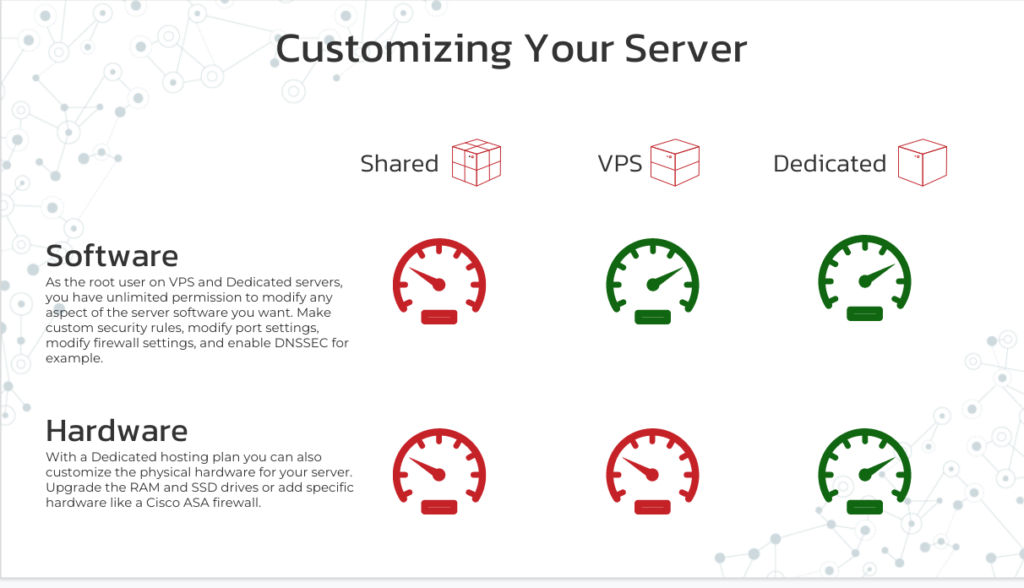
VPS hosting gives great control. You get your own space. It’s like having your own server. You can install your own software. Make changes as you like. It suits tech-savvy people. You manage your own resources. This gives you freedom. You can customize settings. It’s a bit like renting a house. You choose what furniture to use. It’s more private. Others don’t affect your space. It provides strong security. Your data stays safe. It’s good for businesses needing control. Tech experts love it. They enjoy the power it gives.
Use Cases And Suitability
Cloud hosting is great for scalable websites. It offers flexibility. You can add more resources easily. This hosting handles sudden traffic spikes well. It suits eCommerce sites and popular blogs. It’s also ideal for businesses with changing demands. You pay for what you use. This hosting is reliable and secure. It is suitable for global reach due to multiple servers.
VPS hosting works for medium-sized websites. It’s good for sites needing dedicated resources. You have more control over server settings. It suits developers and tech-savvy users. This hosting is more affordable than dedicated servers. It offers better security than shared hosting. VPS is perfect for sites with steady traffic. Businesses needing custom software choose VPS.
Pros And Cons
Cloud hosting offers great scalability. It can handle more users easily. You only pay for what you use. This can save money. It is also very reliable. If one server fails, another takes over. Your website stays online. Cloud hosting is also flexible. You can change your plan anytime. This makes it a good choice for growing businesses.
VPS hosting gives you more control. You can install any software you like. This hosting is also secure. You have your own space. No one else can access it. VPS can be customized. You can choose how much power you need. This makes it ideal for special needs. It is also cost-effective. You get many features for a good price.
| Cloud Hosting | VPS Hosting |
|---|---|
| Can be costly over time | Requires technical skills |
| Limited control | Less scalable than cloud |
| Dependent on internet speed | Fixed resources |
Frequently Asked Questions
Is Cloud Hosting The Same As Vps?
Cloud hosting and VPS are different. Cloud hosting uses multiple servers for resource distribution, ensuring scalability. VPS operates on a single physical server, offering dedicated resources. Cloud hosting is ideal for fluctuating demands, while VPS suits predictable workloads. Both provide control but differ in flexibility and infrastructure.
Is Vps Better Than Web Hosting?
VPS offers greater control and scalability than shared web hosting. It’s ideal for high-traffic websites. Shared hosting is cheaper and easier for beginners. VPS provides dedicated resources, enhancing performance and security. Choose based on your website’s needs and budget.
Is Cloud Hosting Better Than Web Hosting?
Cloud hosting offers scalability and flexibility, making it ideal for growing businesses. Traditional web hosting is often cheaper but less flexible. Choose cloud hosting for enhanced performance and reliability. For smaller sites with limited budgets, traditional web hosting might suffice.
Evaluate your specific needs to decide the best option.
What Is The Difference Between Vps And Dedicated Cloud?
VPS shares a physical server with others, offering isolated resources. Dedicated cloud provides an entire server for exclusive use. VPS is cost-effective, while dedicated cloud offers higher performance and customization. VPS suits smaller websites; dedicated cloud supports larger, resource-intensive applications.
Conclusion
Choosing between cloud web hosting and VPS depends on your needs. Cloud hosting offers flexibility and scalability. Ideal for growing businesses. VPS provides dedicated resources. Great for performance and control. Consider your budget and technical skills. Both options have their benefits.
Evaluate your website’s demands carefully. Make an informed decision for success. Whether you need more control or flexibility, both options support growth. Remember, the right choice enhances your online presence. Seek advice if unsure. A clear understanding ensures the best fit for your site.


