
Imagine trying to open a store without a physical space to display your products. It would be nearly impossible, right?
The same goes for your website. Without a web hosting company, your website is like a store without a storefront. So, what exactly is a web hosting company, and why is it crucial for your online presence? If you’re eager to establish a digital footprint or curious about how websites function behind the scenes, understanding web hosting is essential.
This guide will demystify what web hosting companies do and why they are a vital piece of the internet puzzle. Dive in to discover how the right web hosting provider can elevate your website’s performance, security, and reliability, ensuring your site is always open for business. Don’t miss out on uncovering the backbone of your online success.
Types Of Web Hosting
In shared hosting, many websites use one server. It’s like sharing a room with friends. Everyone gets a part of the space. Shared hosting is cheap. It’s good for small websites. But it can be slow. If one site uses too much space, others slow down.
VPS hosting means Virtual Private Server hosting. It’s like having your own room in a big house. You get more space. It’s faster than shared hosting. Good for growing websites. But it costs more than shared hosting.
In dedicated hosting, you get your own server. No sharing with others. It’s like owning a whole house. Dedicated hosting is fast and powerful. Best for big websites. But it’s expensive. You have full control over everything.
Cloud hosting uses many servers. It’s like having many small houses. If one server breaks, others help. This makes cloud hosting reliable. It’s good for busy websites. You only pay for what you use. Costs can change each month.
Key Features Of Web Hosting Services
Web hosting services offer storage space for your website files. This space is like a digital home for your site. Bandwidth measures how much data flows between your site and users. More bandwidth means your site can handle more visitors. A good hosting service offers enough storage and bandwidth for your needs.
Uptime is how often your site is up and running. Reliable hosting keeps your site online all the time. High uptime means fewer interruptions for visitors. Choose a service that promises high uptime. This ensures your site is always accessible.
Web hosting services provide security to protect your site. They use tools to block hackers and viruses. Secure hosting keeps your data safe. Look for services with strong security measures. This gives you peace of mind.
Customer support helps you solve issues quickly. Good support is available day and night. Friendly staff answer your questions. Choose a hosting service with reliable support. This helps when you need assistance.
How Web Hosting Works
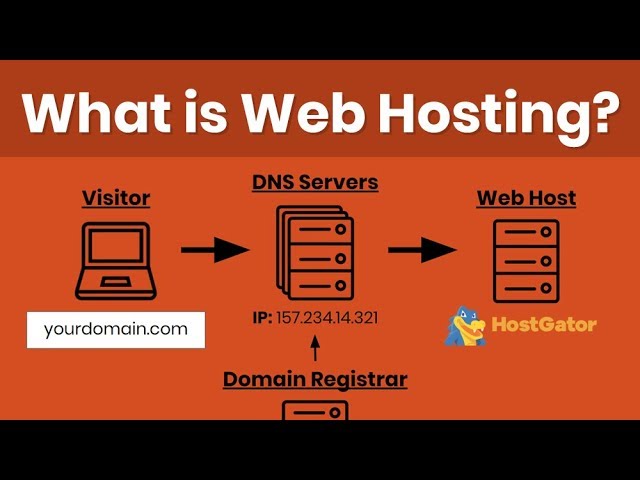
Every website needs a domain name. It’s like your website’s address on the internet. The DNS helps browsers find websites using domain names. Imagine it like a phone book. It matches names to numbers.
A web hosting company uses servers. These are computers that store your website files. They configure servers for speed and safety. Good configuration keeps your site fast. It also protects it from harm.
After configuration, it’s time for website deployment. This means putting your website online. You upload files to the server. Hosting companies help with this process. They make sure everything runs smoothly.
Credit: www.youtube.com
Choosing The Right Web Hosting Provider
Identify what your website needs. Some sites need more space. Others need faster speed. A personal blog might need less. A business site needs more resources. Think about traffic. More visitors need more bandwidth. Security is also important. Some sites need more protection.
Budget is important. Web hosting costs money. Check what you can afford. Some hosts are cheap. Others cost more. Cheap might mean less service. Expensive might mean better features. Look for a balance. Good service at a fair price is ideal.
Reputation matters. Look at reviews. See what others say. Good reviews mean good service. Bad reviews are a warning sign. Check how long the host has been in business. New hosts might not be reliable. Choose a host with a good track record.
Common Challenges In Web Hosting
Websites may stop working when servers fail. This is called downtime. Downtime can make visitors leave your site. It can also hurt your business. Fixing downtime fast is very important. Hosting companies work hard to keep sites running. They use backup systems to help.
Security breaches can harm websites. Hackers try to steal data from sites. They can cause many problems. Protecting websites is very important. Hosting companies use strong tools to keep sites safe. They also update systems often to block hackers.
Scalability means handling more visitors on a website. Some sites get busy fast. They need more space and power. Hosting companies help with this. They offer plans that grow as sites grow. This way, sites stay fast and strong.
Credit: www.youtube.com
Future Trends In Web Hosting
Web hosting companies are going green. They use less energy to run servers. This helps the planet. Green hosting uses renewable energy like wind or sun. It saves trees and air. Many people like this way. It makes websites cleaner. Green hosting is good for Earth and people.
AI helps web hosting work better. It does things faster. AI can fix problems on its own. This makes hosting easier for everyone. Robots do boring tasks. People have more time to create. Web hosting becomes smarter with AI. It learns new things every day.
Edge computing is a cool trend. Data is stored closer to users. This makes websites load fast. It is good for people far away. Edge computing saves time. It helps websites work better. This trend is growing fast. Many companies like edge computing.

Credit: www.hostinger.com
Frequently Asked Questions
What Is Web Hosting With An Example?
Web hosting stores your website files on a server, making them accessible online. For example, Bluehost provides hosting services for WordPress sites.
How Much Do I Pay To Host A Website?
Website hosting costs vary from $3 to $300 monthly. It depends on the hosting type and provider. Shared hosting is cheaper, while dedicated hosting is more expensive. Consider your website’s needs and budget when choosing a plan.
What Are The 3 Types Of Web Hosting?
The three types of web hosting are shared hosting, VPS (Virtual Private Server) hosting, and dedicated hosting. Shared hosting is budget-friendly and ideal for beginners. VPS hosting offers more control and resources. Dedicated hosting provides maximum performance and security for large websites.
Choose based on your website’s needs and budget.
Can I Run My Website Without Hosting?
Web hosting is essential for a website’s online presence. Without hosting, your site can’t be accessed online. Hosting provides server space to store website files and makes them accessible to users. Choose reliable hosting for optimal performance and security.
Conclusion
Choosing the right web hosting company is crucial. It affects your site’s speed and reliability. A good host ensures smooth access for visitors. Security and support are key features to look for. Pricing matters, but don’t sacrifice quality for cost.
Understand the terms before signing up. Read reviews from real users. Compare several options to find the best fit. Your website’s success depends on a solid host. Make an informed choice. A reliable provider helps your site grow. Keep these points in mind when selecting a hosting service.
Your online journey begins with a strong foundation.


