
Choosing the right domain and web hosting is a decision that could make or break your online presence. Imagine your website running smoothly, attracting visitors effortlessly, and showcasing your brand in the best light possible.
This isn’t just a dream; it’s a reality that can be achieved with the right choices. As you dive into the world of domains and hosting, you’ll encounter a myriad of options, each promising to be the best. But how do you decide?
How do you ensure you’re making the right investment for your website’s future? By understanding the key factors that matter most, you can make informed choices that align with your goals. You’ll discover the essential elements to consider, ensuring your online venture starts off on the right foot. Stay with us as we unravel the secrets to making your website not just functional, but exceptional.
Choosing The Right Domain Name
A memorable domain name helps people remember your site. It should be short and easy to say. Avoid using complex words. Names like “shopfun” or “bestbooks” are simple. They stay in mind easily. Make sure your name is unique. This helps it stand out.
Keywords in your domain help search engines find your site. Choose words related to your business. If you sell toys, use “toys” in the name. This helps people find you online. Keywords make your site more visible. They are very important for SEO.
Your domain name is part of your brand. It shows what your site is about. A good name builds trust. People know what to expect. Keep it related to your brand. This makes it easier to create a strong identity.
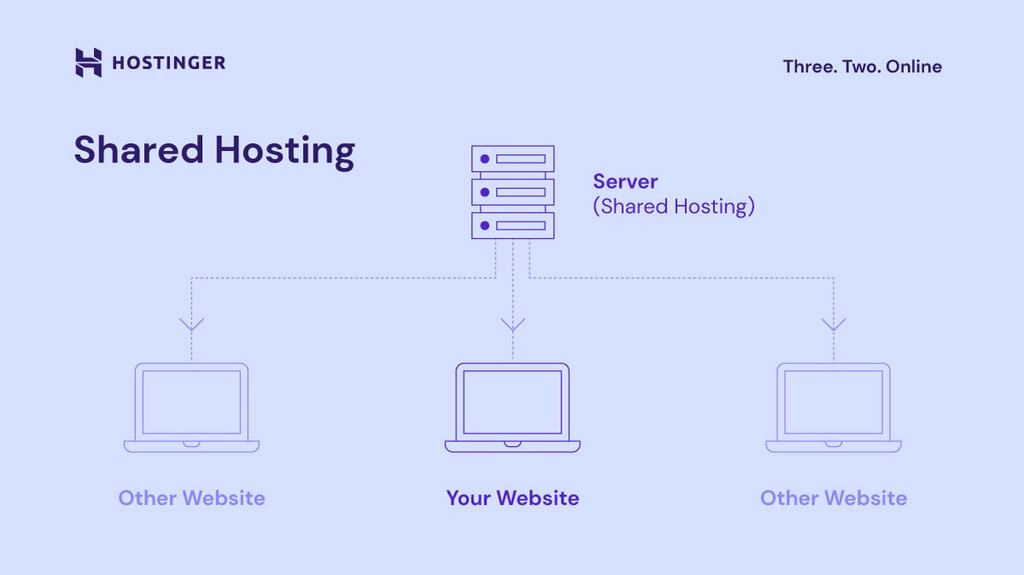
Credit: www.hostinger.com
Domain Extensions And Their Impact
.com is the most used domain extension. It is easy to remember. .net is another popular choice. It is often used by networks. These extensions give trust to websites.
.edu is for schools and universities. It tells users the site is educational. .org is for organizations. Many non-profits use this extension. .gov is for government sites. It shows the site is official.
.uk is for the United Kingdom. Sites use it to show they are local. .ca is for Canada. It tells users the site is Canadian. These extensions help users find local businesses online.
Legal Considerations For Domains
Choosing a domain name is tricky. Trademark issues can arise. Names similar to brands can cause trouble. It’s important to check for existing trademarks. Avoid names close to famous brands. This prevents legal battles. Research thoroughly before deciding.
Disputes happen over domain names. Someone might claim your name. Legal battles can be costly. Always ensure your domain is unique. Registering with known bodies helps. Protect your rights from day one. This saves money and stress.
Register domains carefully. Privacy matters when sharing details. Protect your personal info online. Some services offer privacy protection. It’s wise to use these services. Keep data safe from prying eyes. Your privacy is valuable.
Evaluating Web Hosting Options
Types of Hosting Services can be confusing. Shared hosting is cheap. It is good for small websites. VPS hosting gives more control. It’s a bit pricey. Dedicated hosting is for big websites. You get a whole server.
Pricing and Value matter a lot. Compare different plans. Some plans have hidden fees. Look for discounts or free trials. Value is not just about price. Check what you get for the money.
Performance and uptime are key. Good hosting should be fast. Nobody likes waiting. Uptime should be above 99%. Downtime means your site is offline. This can be bad for business.
Security Features In Web Hosting
SSL certificates keep data safe. They use strong encryption. Hackers can’t steal information easily. Websites with SSL show a padlock. It’s a sign of trust. Users feel safe visiting secure sites. SSL also helps SEO rankings. Search engines prefer secure sites.
Backups protect data from loss. Hosting services offer regular backups. They save copies of your website. If something goes wrong, you can restore it. This keeps your site running smoothly. Backups are your safety net. Always check backup frequency. Choose hosts with daily backups.
Web hosts offer protection against attacks. They use firewalls to stop threats. Firewalls act like a shield. They block harmful traffic. Hosts monitor unusual activities. Alert systems notify you of risks. Security measures keep sites safe. Ensure your host has strong defenses.

Credit: www.facebook.com
Customer Support And Reliability
Good support is always there. 24/7 availability means help anytime. Problems can happen anytime. Quick help is key. Night or day, help should be there. Always ready to solve issues.
Different ways to get help are important. Live chat is fast and easy. Email support is for detailed help. Phone support is direct. Each person prefers different methods. Offering many options is best.
Listening to others is helpful. Feedback tells what is good or bad. Reviews show what people think. They guide us in choosing. Honest reviews help find the best service.
Scalability And Growth Potential
Choose hosting that lets you change plans. Different plans suit different needs. Start small, then grow. Upgrade easily when needed. Check if the host offers easy plan changes. This helps save money. You only pay for what you need.
Think about your site’s future. Will it need more space? Hosting should grow with your site. Ask if you can add more disk space. More space means more content. More content means more visitors. Good hosts offer easy upgrades. This helps your site grow smoothly.
Your site will get more visitors. Choose hosts that handle traffic changes. Traffic can go up and down. Hosts must be ready for big traffic. This keeps your site working well. Ask about traffic management. Good hosts make sure your site stays fast.

Credit: www.amazon.com
Frequently Asked Questions
What Factors To Consider When Choosing A Web Hosting Service?
Consider server reliability, uptime, and speed. Evaluate customer support and scalability options. Check security features and backup availability. Review pricing plans, including renewal rates. Assess ease of use and control panel features.
What Are The Important Things To Consider When Determining What Company To Choose For Web Hosting And Registering Your Domain Name?
Consider pricing, server reliability, and uptime for web hosting. Check customer support availability and response time. Evaluate security features like SSL certificates and backups. Assess scalability options for future growth. Ensure the domain registrar offers easy management and transfers.
Do I Need Web Hosting If I Have A Domain Name?
Yes, you need web hosting to make your website accessible online. A domain name is just the address. Hosting provides storage and resources for your site’s files and data, enabling visitors to access your content. Both are essential for a functional website.
Should I Buy Domain And Hosting Separately Or Together?
Buying domain and hosting together simplifies management but may limit options. Separate purchases offer flexibility, often leading to better deals. Choose based on your priorities, such as ease of use or customization. Consider the reputation and support of each provider before deciding.
Conclusion
Choosing the right domain and hosting is crucial. It affects your site’s success. Consider reliability, speed, and customer support. These factors matter a lot. Think about your budget too. Affordable options exist without sacrificing quality. Research each provider carefully. Read reviews and gather opinions.
This helps make informed decisions. Remember, your site represents you online. A good choice boosts your online presence. Prioritize user experience and performance. Your website’s foundation depends on these decisions. So, take your time. Make the right choice for lasting benefits.


