
When you’re diving into the world of e-commerce with a Magento site, choosing the right web server is crucial. It’s not just a technical detail—it’s the backbone of your online store’s success.
Imagine your site loading slowly or crashing during peak shopping times. Frustrating, right? That’s why it’s essential to understand what web server you need for hosting Magento effectively. In this guide, we’ll break down the options, so you can make an informed decision.
We’ll explore which servers offer the best performance, security, and scalability for your Magento site. Whether you’re a seasoned developer or a business owner taking the plunge into e-commerce, this article is tailored to help you optimize your store’s performance and keep your customers happy. Keep reading to discover the secrets to seamless Magento hosting and ensure your online business thrives.
Choosing The Right Web Server
Apache and Nginx are popular web servers. Both can host Magento sites. But they work differently. Apache is known for its flexibility. It supports many modules. This makes it easy to customize. Nginx is famous for its speed. It handles more traffic with less memory.
Apache has a long history with Magento. This means it has good compatibility. Many developers use it. Nginx is also a good choice for Magento. It works well with high traffic sites. Sometimes, people use both together. Apache can handle PHP processing. Nginx can serve static files. This gives the best of both worlds.
Choosing between them depends on your needs. Small sites can use Apache. Large sites may prefer Nginx. Consider your site’s size and traffic. This helps pick the best server.
Credit: learnwoo.com
Performance Considerations
Web servers must manage many visitors at once. Magento sites often get high traffic. Choose a server that can handle spikes in load. Fast response times are key for good performance. Users leave if a site is slow. Scalability is crucial. As the site grows, the server should grow too. Flexible resources help during busy times. Upgrading should be simple.
Caching is important for Magento sites. It helps store data temporarily. This makes loading pages quicker. Redis and Varnish are popular caching tools. They reduce server load. Data is fetched faster from cache. Less strain on the server means better performance. Efficient caching improves user experience. Choose a server that supports good caching options.
Security Features
SSL/TLS support is crucial for a Magento site. It keeps data safe. Users trust sites with SSL. All data is encrypted. No worries about data leaks. Customers feel secure. This boosts sales. Choose a server with strong SSL support.
Firewall blocks unwanted traffic. It protects your site from hackers. Keeps data safe. DDoS protection stops overload attacks. It keeps the site running smoothly. No downtime. Protects against internet threats. Choose a server with these features. Keep your site safe.
Scalability Options
Choosing the right web server is crucial for hosting a Magento site. Apache and Nginx are popular options, providing scalability and performance. Each offers unique features that support Magento’s complex architecture, ensuring smooth operation and growth.
Vertical Scaling
Magento sites can grow fast. Vertical scaling helps manage this growth. It means adding more power to a single server. You can increase the server’s CPU, RAM, or storage. This makes the site handle more users. But, there is a limit. One server can only grow so much. Think of it like adding more floors to a building. It’s useful but not endless.
Horizontal Scaling
Horizontal scaling is another way. Instead of one big server, use many smaller ones. This spreads the load across multiple servers. Each server does part of the work. It’s like having a team instead of one person. This method can handle more users easily. You can add more servers as needed. It’s flexible and cost-effective. Perfect for growing businesses.
Configuration Essentials
PHP is vital for Magento sites. Set memory limit to at least 2GB. Use PHP 7.4 or newer. Enable OPcache for faster performance. Adjust max_execution_time to 180 seconds. These settings help Magento run smoothly. PHP settings make a big difference.
Magento works best with MySQL databases. Ensure database is optimized for speed. Use InnoDB storage engine. Set database cache size properly. This improves data handling. Magento needs a fast database. Fast databases make sites quicker. Optimize the database for better results.
Credit: www.mageplaza.com
Support And Community Resources
Magento documentation is rich and helpful. It guides users through setup and troubleshooting. Easy to follow steps are provided. For every common issue, there’s a solution. This makes learning smoother.
Community forums are great for finding tips and tricks. Many users share their experiences. They help solve problems quickly. You can ask questions and get answers fast. This support is handy for new users. It’s like having a big group of friends online.
Credit: www.liquidweb.com
Frequently Asked Questions
How To Host A Website In Magento?
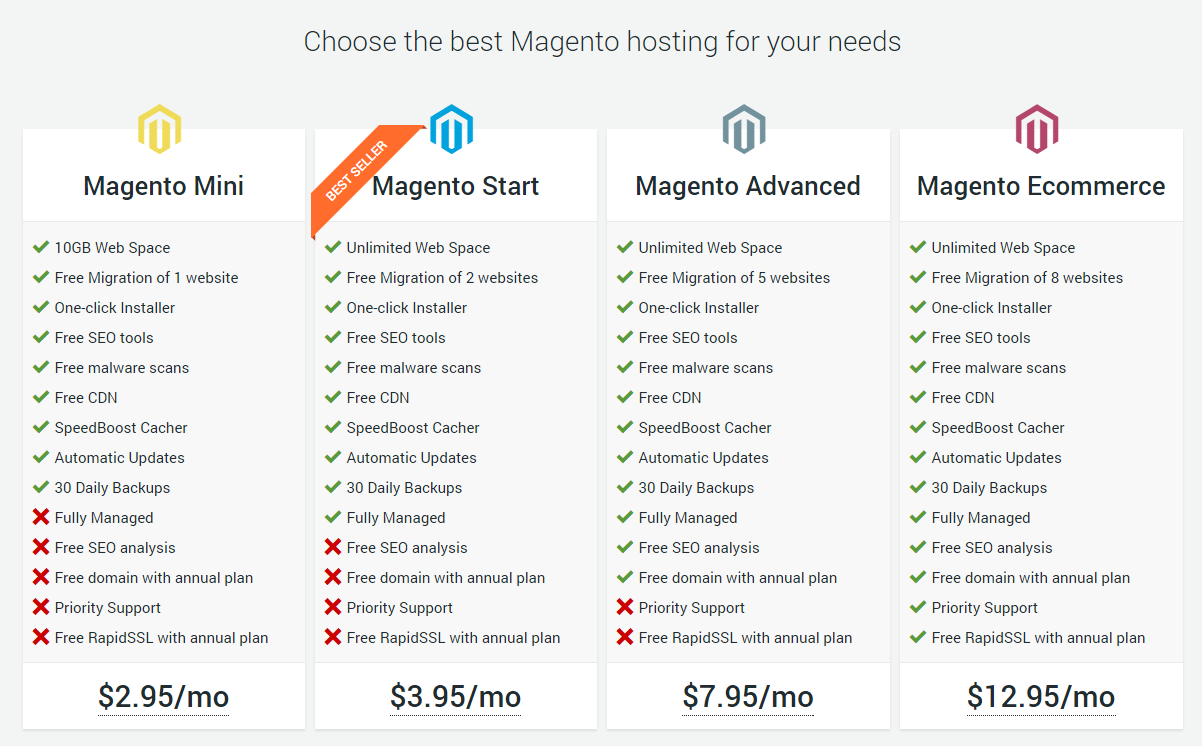
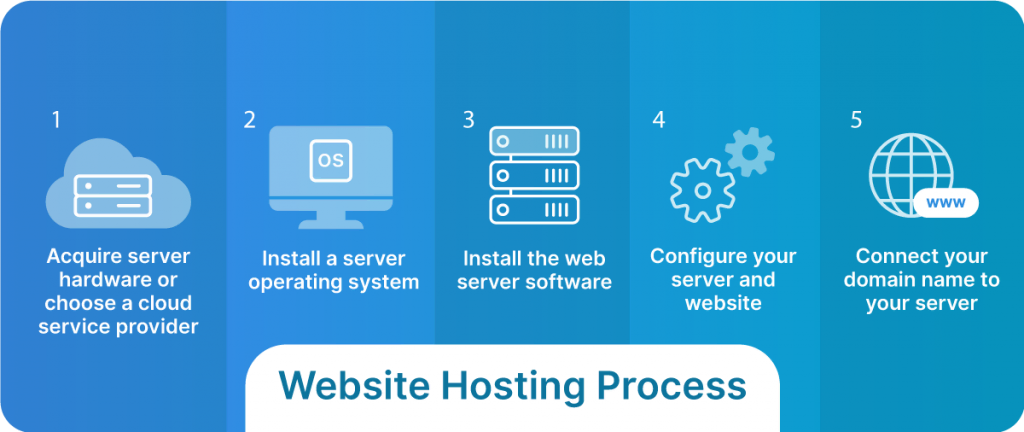
To host a website in Magento, choose a reliable hosting provider. Install Magento using the hosting panel’s one-click installer. Configure settings, add products, and customize your store’s appearance. Ensure SSL security and optimize for performance. Regularly update Magento and perform backups for site safety.
What Are The System Requirements For Magento 2 Server?
Magento 2 requires Linux x86-64, Apache 2. 4, Nginx 1. x, MySQL 8. 0, PHP 7. 4 or 8. 1, and Elasticsearch 7. 9.
Which Server Is Required To Host A Website?
A website requires a web server to host it. Popular options include Apache, Nginx, and Microsoft IIS. Choose based on your site’s needs, budget, and technical expertise. Consider server type, performance, and compatibility. Ensure it supports your preferred programming languages and databases for optimal functionality.
What Is The Best Os For Magento?
The best OS for Magento is Linux, particularly distributions like Ubuntu or CentOS. These offer robust performance, security, and compatibility with Magento’s requirements. Linux provides a stable environment for running Magento, ensuring optimal performance for your e-commerce store.
Conclusion
Choosing the right web server is vital for hosting a Magento site. Apache and Nginx are popular options, each with strengths. Apache offers flexibility, while Nginx provides speed. Ensure the server supports PHP and MySQL or MariaDB. Good server performance enhances user experience.
Consider security features to protect customer data. Scalability is crucial for growing businesses. Evaluate your needs before deciding. Proper server setup leads to a successful online store. Keep your site running smoothly with regular updates. Investing in a reliable server ensures long-term success.
Happy hosting!


