
If you’ve ever thought about launching a website, you’ve likely come across the term “web hosting.” But what exactly is web hosting, and why is it so crucial for your online presence?
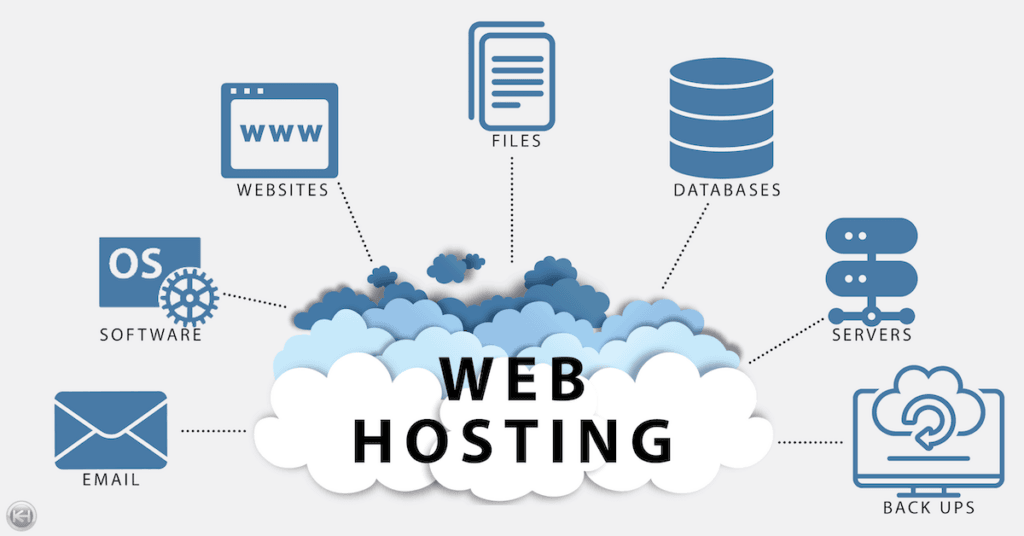
Imagine trying to build a house without land to place it on. Web hosting is that essential plot of digital real estate, providing the space and resources your website needs to be accessible on the internet. Understanding web hosting can be the difference between a smooth-running site and a frustrating online experience.
Whether you’re a small business owner, a blogger, or someone looking to share your passions with the world, knowing how web hosting works can help you make informed decisions that impact your site’s performance and reliability. So, if you want to ensure your website is always up and running, keep reading to discover everything you need to know about web hosting and how it can empower your digital journey.
Types Of Web Hosting
Shared hosting is like sharing a room with others. Many websites use the same server. It is cheap and easy to start. But, it can be slow if many sites are busy. Good for beginners. Not great for big sites.
VPS hosting is more private. A server is divided into small parts. Each part acts like a small server. It gives more control and power. Costs more than shared hosting. Suitable for medium-sized sites.
Dedicated hosting is like having your own house. One server is for one site only. Offers the best performance and security. Most expensive option. Ideal for big sites with lots of visitors.
Cloud hosting uses many servers together. If one server fails, another takes over. Offers great reliability and flexibility. Costs depend on usage. Best for sites with changing needs.
Key Features Of Web Hosting
Bandwidth shows how much data can move each month. More bandwidth means more visitors can see your site. Storage is where you keep all site files, like images and text. Enough storage helps keep your site running well. Choose hosts with unlimited bandwidth and large storage for busy sites. These features keep your site fast and strong.
Uptime is the time your site stays online. Most hosts give a 99.9% uptime guarantee. This means your site rarely goes offline. A site that stays up helps keep visitors happy. Check for hosts with good uptime guarantees. They make sure your site runs smoothly always.
Security keeps your site safe from bad things. SSL certificates protect data. They stop hackers from stealing info. Look for hosts with firewalls and regular backups. These tools keep your site safe. Good security builds trust with visitors. Choose hosts that promise strong protection.
Customer support helps when you face problems. Good hosts offer 24/7 support. You can reach them by chat, call, or email. Fast help means less downtime for your site. Friendly support makes fixing problems easy. Pick hosts known for great customer service. They ensure your site works well always.
Performance Enhancements
Fast websites are important. Speed Optimization improves loading times. Websites load faster with optimized images. Minimize CSS and JavaScript files. Use caching for quicker access. Enhance your site’s speed with these techniques.
Server Locations affect speed. Choose a server near your audience. This reduces loading time. Local servers provide faster responses. Ensure your server is in the right place. Improve user experience with nearby servers.
Content Delivery Networks distribute data. They store copies of your site worldwide. Users get faster access. CDNs improve speed and reliability. They balance traffic. Enhance global reach with CDNs. Make your site faster for everyone.
Pricing And Plans
Free hosting can save money. Many services offer it. But there are limits. Limited storage and slow speeds are common. Free plans may have ads. Ads can be annoying. These plans suit small sites. Perfect for beginners or testing.
Paid plans offer more. Better storage and faster speeds. No ads, which is nice. Pricing varies by provider. Many plans start at a few dollars. Some go higher with added features. Look for security and support. These are key.
Hidden costs can surprise you. Some hosts charge for extras. Backups, SSL certificates, or email accounts might cost more. Always read the fine print. Check for renewal fees. Initial prices may be low. Renewal can be much higher.
Additional Services
Email hosting lets you have your own email address. This is often linked to your website’s name. It looks professional. Many web hosting companies offer email hosting. It can be part of a package. With this, you can send and receive emails. Storage space for emails is sometimes limited. Check what is offered before you decide.
Every website needs a unique address. This is called a domain name. Web hosts can help you register your domain. This means they make sure it is yours. Some hosting plans include domain registration. Others may charge a fee. Make sure to check these details. Choosing a good domain name is important.
Website builders help you make your website. They are easy to use. You do not need to know any coding. Many hosting companies offer website builders. Some have drag-and-drop features. This makes creating a site simple. You can add text, images, and videos easily. It’s a great tool for beginners.

Credit: www.geeksforgeeks.org
Choosing The Right Hosting
Identify your website’s purpose. A personal blog or a business site? Traffic levels matter too. Small sites need basic hosting. Big sites need more power. Storage and bandwidth are key factors. Choose wisely.
Think about growth. Will your site expand? Scalability helps your site handle more traffic. Some hosts offer flexible plans. Upgrade as your site grows. Never let growth slow you down.
Consider the software your site needs. Do you use WordPress or Joomla? Compatibility is crucial. Ensure the host supports your tools. Check for security features. Keep your data safe. Backup options are essential too.
Future Trends In Web Hosting
Green Hosting saves the planet. It uses renewable energy. Data centers waste energy. Green hosting cuts this waste. It lowers carbon footprints. Many companies choose green hosting now. This trend grows fast. It is important for our future.
AI makes hosting smarter. It predicts problems. It fixes them fast. Automation saves time. Hosting tasks are easier now. Machines do more work. This helps web owners. They focus on business. AI helps them grow.
Edge Computing brings data closer. It speeds up access. Users get faster content. It reduces lag. This trend improves user experience. Data centers are everywhere now. Edge computing changes web hosting. It makes it better for users.
Credit: www.ramotion.com
Credit: www.hostinger.com
Frequently Asked Questions
What Is Meant By Web Hosting?
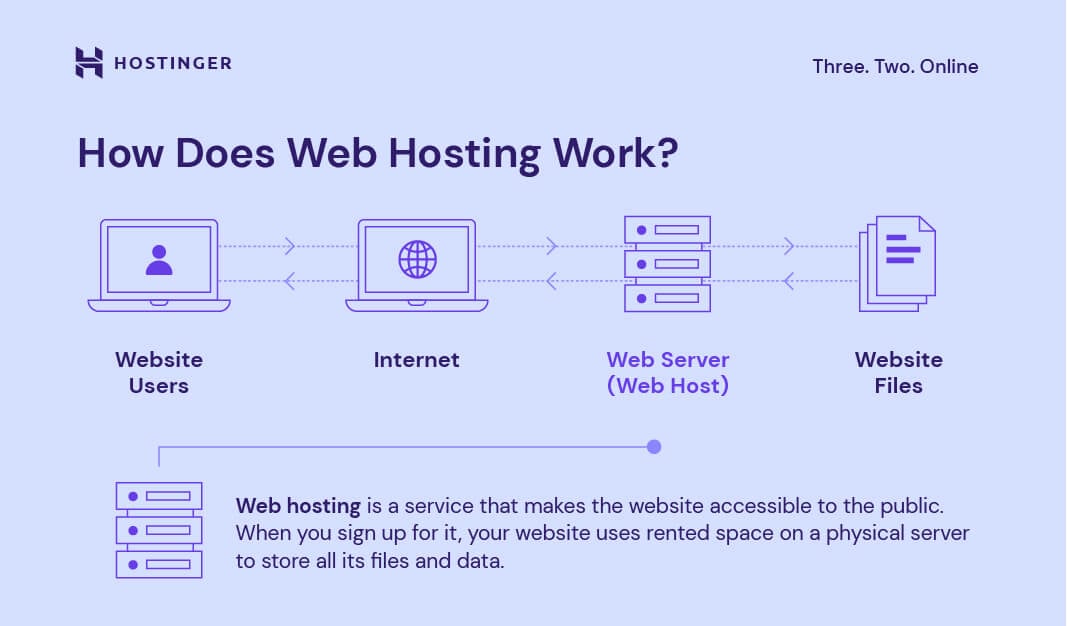
Web hosting is a service that stores and maintains websites on internet servers. It enables users to access your site online. Providers offer various plans, including shared, VPS, and dedicated hosting. Choose based on your website’s needs and budget for optimal performance and reliability.
What Is Web Hosting And Do I Need It?
Web hosting stores your website files online, making them accessible on the internet. You need it to launch a website.
What Are The 3 Types Of Web Hosting?
The three types of web hosting are shared hosting, VPS hosting, and dedicated hosting. Shared hosting involves multiple websites sharing server resources. VPS hosting offers a virtual private server with dedicated resources. Dedicated hosting provides an entire server exclusively for one website.
Each type varies in cost, performance, and control.
What Is An Example Of A Web Host?
An example of a web host is Bluehost. It offers reliable hosting services for websites, including domain registration and customer support. Known for its user-friendly interface, Bluehost is popular among beginners and professionals. It provides various hosting plans tailored to different needs, ensuring fast and secure website performance.
Conclusion
Choosing the right web hosting is crucial for your website’s success. It impacts speed, security, and user experience. A reliable host ensures your site runs smoothly. Also, it helps in handling traffic efficiently. Consider your needs before making a choice.
Whether it’s shared, VPS, or dedicated hosting, each has its benefits. Cost, support, and features should guide your decision. With the right host, you can focus on growing your online presence. Remember, a good host is an investment in your site’s future.
Make the choice that fits your goals and needs.


