
Have you ever wondered what exactly web hosting is and why it’s so crucial for your online presence? Imagine this: you’ve built a beautiful website, filled it with engaging content, and you’re ready to share it with the world.
But where does this website live? How do people find it? This is where web hosting comes into play. Understanding web hosting is like unlocking the secret door to the digital world, where your website gets its home and the chance to shine.
We’ll demystify the concept of web hosting, making it clear and simple so you can make informed decisions for your online ventures. Whether you’re launching a personal blog or a business website, knowing what web hosting means will empower you to create a strong foundation for success. Keep reading to discover how web hosting is the backbone of your online journey!
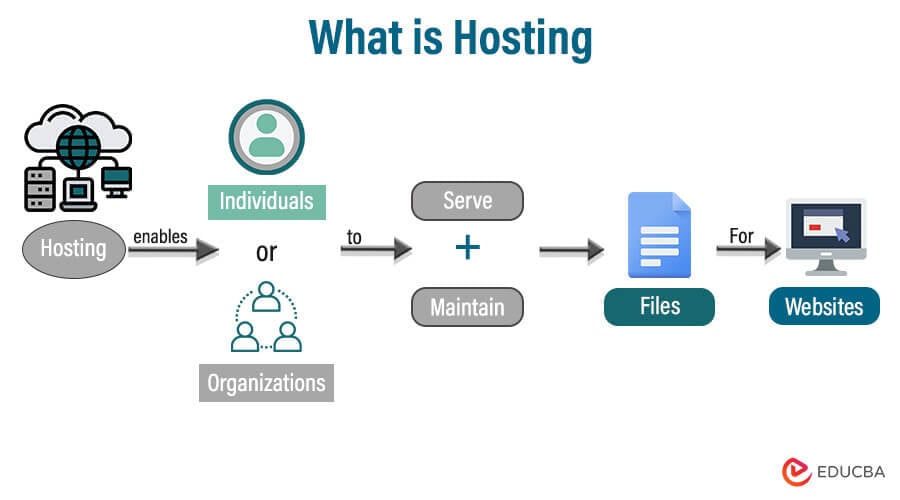
Credit: www.educba.com
Types Of Web Hosting
Shared hosting is like sharing a big house with friends. Many websites live on one server. This is very budget-friendly. It’s easy to use. Perfect for small sites. But, it can be slow. Other sites on the server use the same resources.
VPS hosting is a step up from shared hosting. You get your own space. It’s like having your own apartment. You have more control. It’s faster than shared hosting. But, it costs more. You need some technical skills.
Dedicated hosting means you have the whole server. It’s like owning a house. You get full control. It’s very secure. But, it is expensive. Best for big sites. You need to manage it yourself.
Cloud hosting uses many servers. Your site can move between them. This makes it very flexible. It’s fast and reliable. You only pay for what you use. It’s good for growing sites. But, it can be complex.

Credit: www.layerhost.com
Key Features Of Hosting Services
Websites need enough bandwidth to handle many visitors. More visitors need more bandwidth. Storage is for saving all your files. Pictures, texts, and videos need space. Hosting plans offer different storage sizes. Choosing the right amount is important. Nobody wants a slow website.
Good hosting keeps your site safe. It protects from hackers. Firewalls and SSL certificates are common tools. They guard your website. Regular backups are also important. They save your data. Safety measures keep bad people away.
Control panels help manage your site. They are like a dashboard. Easy to use and understand. You can add or remove features. Change settings with a few clicks. A friendly user interface is key. It makes website changes easy.
Sometimes, websites have problems. Technical support helps fix them. Experts are available to help. They solve issues fast. Support can be by phone, chat, or email. Good hosting offers 24/7 help. You can rely on them anytime.
Choosing The Right Hosting Provider
Think about what you need. Website size is key. Small sites need less space. Large sites need more. Consider traffic. High traffic needs strong hosting. Low traffic needs less. Features matter too. Do you need email? Do you need databases? Make a list. This helps you choose right.
Money is important. Hosting costs vary. Some are cheap. Some are costly. Set a budget. Stick to it. Look at monthly fees. Look at yearly fees. Some offer discounts. Check for hidden costs. Be careful. Some charge for extras. Choose wisely.
Check reviews online. Read user feedback. Good reviews mean good service. Bad reviews are a warning. Reputation is key. Trusted providers are safe. Look for awards. Look for certificates. These show quality. Ask friends. Ask experts. Their advice helps. Pick a provider with good reviews.

Credit: www.easysite.com
Benefits Of Reliable Hosting
Improved website performance is a major benefit. Fast websites keep visitors happy. Nobody likes a slow site. A good host speeds up your site. This helps you stay ahead.
Enhanced security is crucial. Safe sites protect data. Reliable hosting offers this protection. It stops hackers from causing harm. Your site stays safe and sound.
Better SEO outcomes come with good hosting. Search engines like fast, secure sites. Higher ranks mean more visitors. More visitors bring more success. Reliable hosting helps achieve this.
Common Hosting Challenges
Web hosting involves storing your website on a server, making it accessible online. Common challenges include slow loading speeds and limited storage space. These issues can affect user experience and website performance.
Downtime Issues
Websites can go offline. This is called downtime. It annoys users and site owners. Causes include server problems and network failures. Regular monitoring is vital. Helps spot issues early. Quick fixes reduce downtime.
Scalability Concerns
Websites grow. More visitors come. Hosting must handle this. Scalability is key. Upgrading hosting plans helps. Flexible resources prevent slowdowns. Choose scalable hosts. They adapt to growth.
Migration Complications
Switching hosts can be hard. Data must move safely. Migration can cause headaches. Data loss is a risk. Choose hosts with migration support. They make the process smoother. Guides and tools help too.
Future Of Web Hosting
New technologies are changing web hosting. Cloud hosting is more popular now. It helps websites be faster. Serverless architecture lets developers work easily. They don’t worry about server management. Edge computing is also coming up. It puts data closer to users. This makes websites load faster.
Web hosting can harm the planet. Green hosting helps the Earth. It uses less energy. Many hosts use renewable energy. They want to cut carbon footprints. This helps fight climate change. Users now like eco-friendly hosts. It’s better for our world.
AI helps web hosting in many ways. It can predict server issues. This keeps websites online. Machine learning improves security. It finds threats quickly. AI can also help with customer support. It answers questions fast. This makes users happy.
Frequently Asked Questions
What Is Web Hosting And How Does It Work?
Web hosting stores your website files on a server, making them accessible online. Users access your site through their browsers. Hosting providers offer storage, security, and support. Choose a plan based on your needs, ensuring reliable uptime and performance.
What Is A Web Host Example?
A web host example is Bluehost, which provides space and resources for websites on the internet. Hosting services like Bluehost ensure website availability and performance.
What Are The 3 Types Of Web Hosting?
The three types of web hosting are shared hosting, VPS hosting, and dedicated hosting. Shared hosting is cost-effective for beginners. VPS hosting provides more resources for growing websites. Dedicated hosting offers complete control and high performance for large websites.
Can I Run My Website Without Hosting?
You can’t run a website without hosting. Hosting servers store your website’s files and make them accessible online. Without hosting, your site won’t be visible to users. Choose a reliable hosting provider to ensure your website is live and functions smoothly.
Conclusion
Web hosting makes websites accessible on the internet. It stores your site’s files. Reliable hosting ensures fast loading times. It also provides security for your data. Choosing the right host is crucial. It impacts your site’s performance. Different hosting types suit various needs.
Shared hosting is cost-effective for beginners. VPS hosting offers more control. Dedicated hosting is for large sites. Cloud hosting is flexible and scalable. Consider your site’s needs carefully. A good hosting choice supports your online success. Make informed decisions for a smooth online presence.
Your website’s future depends on it.


