
Choosing the right web hosting for your website can feel like a daunting task. With so many options available, it’s easy to feel overwhelmed and unsure of where to start.
But don’t worry—you’re not alone. You’re about to discover the key elements that will help you decide exactly what web hosting you need. This decision is crucial, as the right hosting can make or break your website’s performance. Imagine your website running smoothly and efficiently, with fast load times and high security.
Sounds ideal, right? By the end of this article, you’ll have a clear understanding of your hosting needs, ensuring your website is set up for success. Stick around to unlock the secrets to finding the perfect web hosting solution for you.
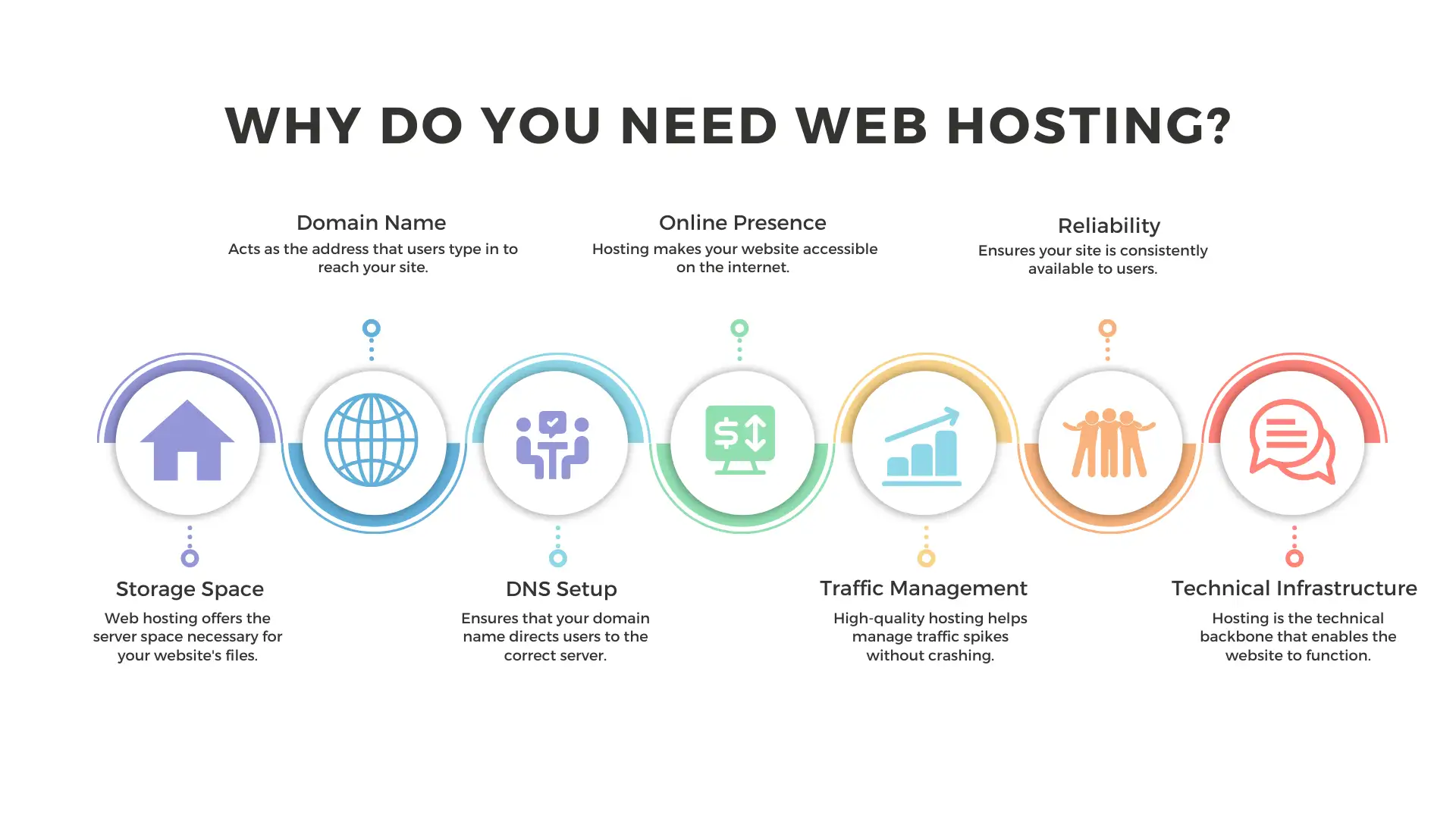
Credit: wegic.ai
Types Of Web Hosting
Shared hosting means sharing a server with others. It’s cheap and easy to use. Many sites use it. Good for beginners. But, it can be slow. If many users visit at once, sites may lag.
VPS hosting means having your own space on a server. It’s better than shared. You get more control. Costs more than shared hosting. It’s faster and safer.
Dedicated hosting means your own server. No sharing with others. Very fast and secure. Best for big sites. Costs a lot. You need tech skills to manage.
Cloud hosting uses many servers. It’s flexible. If one server fails, others help. You pay for what you use. Good for growing sites.
Managed WordPress hosting is just for WordPress sites. Experts handle everything. It’s fast and secure. Costs more than regular hosting. Perfect for WordPress users.

Credit: www.pcmag.com
Choosing The Right Hosting
Start by thinking about what your website will do. Is it a blog, a small business site, or an online store? Different websites need different hosting. For a simple blog, shared hosting might work. But if you plan to sell products, you might need dedicated hosting. Websites with lots of photos or videos may need more storage.
Money matters when choosing hosting. Some plans are cheap, some are not. Shared hosting is often less costly. It is good for small sites. VPS hosting costs more, but it offers better performance. Dedicated hosting is the most expensive. It is best for big websites with high traffic.
Think about how many visitors your site will have. Low traffic sites might do well with shared hosting. But if you expect many visitors, choose VPS or dedicated hosting. More traffic needs more bandwidth. This helps your site stay fast and avoid crashes.
Key Features To Look For
Storage keeps your website files safe. More storage means more space for files. Bandwidth is like a road for data. More bandwidth means faster loading. Choose plans with enough storage and bandwidth. Too little can slow your site. Large websites need more space.
Uptime is the time your site is up and running. Good hosts offer 99.9% uptime guarantees. This means your site is online almost always. Downtime can lose visitors. Check uptime before choosing. Reliable hosting is crucial.
Customer Support helps solve problems. Look for 24/7 support. This means help anytime, day or night. Good support is fast and friendly. Problems can happen anytime. Quick help is key for a smooth website.
Security protects your site from bad guys. Look for strong security measures. SSL certificates keep data safe. Firewalls block harmful attacks. Backups can restore lost data. Good security keeps your site safe.

Credit: crocoblock.com
Comparing Hosting Providers
Good hosting means fast loading times. Uptime should be close to 100%. Servers must be stable and quick. Downtime can lose visitors. Check for server locations for better speed. Use CDN to help with global reach.
Cost is important. Some hosts are cheap, others are costly. Monthly fees can add up. Look for hidden charges. Understand renewal costs. Choose a plan that fits your needs. Unlimited plans can be misleading. Always read the fine print.
Reviews tell a lot. Happy users mean good service. Look for negative feedback too. Check for customer support quality. Forums can help with honest opinions. A bad reputation is a red flag. Trustworthy hosts have many positive reviews.
Scalability And Growth
Web hosting should support future expansion. You need space to grow. Your business may get bigger. Your website will need more resources. Choose hosting that allows for growth. This helps your site stay fast.
Flexible plans are important. You might need to change plans. A flexible host lets you switch easily. You can add or remove features. This saves money and time. Always check plan options before you buy.
Good hosting offers upgrading options. You may need more power. Upgrading should be simple. Check if your host offers upgrades. Look for fast and easy upgrade paths. This ensures your site can handle more traffic.
Specialized Hosting Needs
A good e-commerce host is important for online stores. It should handle many visitors at once. Security is also a must. It keeps customer data safe. SSL certificates are crucial. They protect buyer information. Fast loading times help keep customers happy. Choose a host that offers 24/7 support. This helps solve problems quickly. Look for hosts with built-in shopping carts. This makes shopping easy.
For bloggers, a simple setup is key. A user-friendly interface helps write and post easily. WordPress is a popular choice. It offers many themes and plugins. These help make the blog unique. Storage space is also vital. More space means more posts and pictures. Bloggers should seek a host with good uptime. This ensures the blog is always online.
Big businesses need robust hosting. They handle lots of data and traffic. Customizable plans are ideal. They grow with the business. Security features are a top priority. They protect sensitive company data. Reliable backups are necessary. They keep data safe from loss. Choose a host with scalable bandwidth. This supports increased traffic.
Frequently Asked Questions
What Kind Of Web Hosting Do I Need?
Choose web hosting based on your website’s needs. For small sites, use shared hosting. For high traffic, consider VPS or dedicated hosting. For easy management, opt for managed WordPress hosting. Ensure reliability, good support, and scalability. Evaluate your budget and future growth.
What Are The 3 Types Of Web Hosting?
The three types of web hosting are shared hosting, VPS hosting, and dedicated hosting. Shared hosting offers cost-effective solutions by sharing resources. VPS hosting provides more control with virtual private servers. Dedicated hosting delivers maximum performance and resources for high-traffic sites.
Choose based on your website’s needs and budget.
Which Hosting Is Best For Beginners?
Bluehost offers affordable and reliable hosting for beginners. It provides user-friendly features and 24/7 support. You can easily set up your website with its intuitive interface. Free domain and SSL certificate are included, enhancing security and professionalism. Bluehost is officially recommended by WordPress, ensuring seamless integration.
Start your online journey with confidence.
Do I Really Need A Host For My Website?
Yes, you need a host for your website. Hosting stores your site’s files, ensuring it’s accessible online. A reliable host offers security, speed, and support. Without hosting, your website can’t function properly or be seen by users. Choose hosting that matches your site’s needs for optimal performance.
Conclusion
Choosing the right web hosting matters. It impacts your website’s performance. Consider your site’s needs first. Budget, traffic, and features all play a role. Shared hosting suits beginners. VPS offers more control and resources. Dedicated hosting is best for high-traffic sites.
Cloud hosting provides flexibility and scalability. Research thoroughly before deciding. Read reviews and compare plans. Ensure your hosting provider offers good support. Reliable service ensures your site stays online. Make an informed choice for lasting success. A well-hosted website boosts user experience and search rankings.
Your choice affects your online journey. Choose wisely.


