
Imagine you’re about to launch your dream website. You’ve got the design nailed down, the content ready to go, and you’re bursting with excitement to share it with the world.
But there’s one crucial step that can make or break your online presence: choosing the right web hosting. You might wonder, “What can web hosting really do for me? ” Well, it’s more than just a space to park your site.
It’s the foundation that can enhance your site’s performance, security, and scalability. We’ll explore the ins and outs of web hosting and how it can transform your online experience. Whether you’re a budding entrepreneur, an avid blogger, or someone simply curious about the digital landscape, understanding web hosting is key to unlocking your website’s potential. Stay with us, and you’ll discover how the right hosting can elevate your site from just another page on the internet to a powerful digital hub.

Credit: www.hostinger.com
Types Of Web Hosting
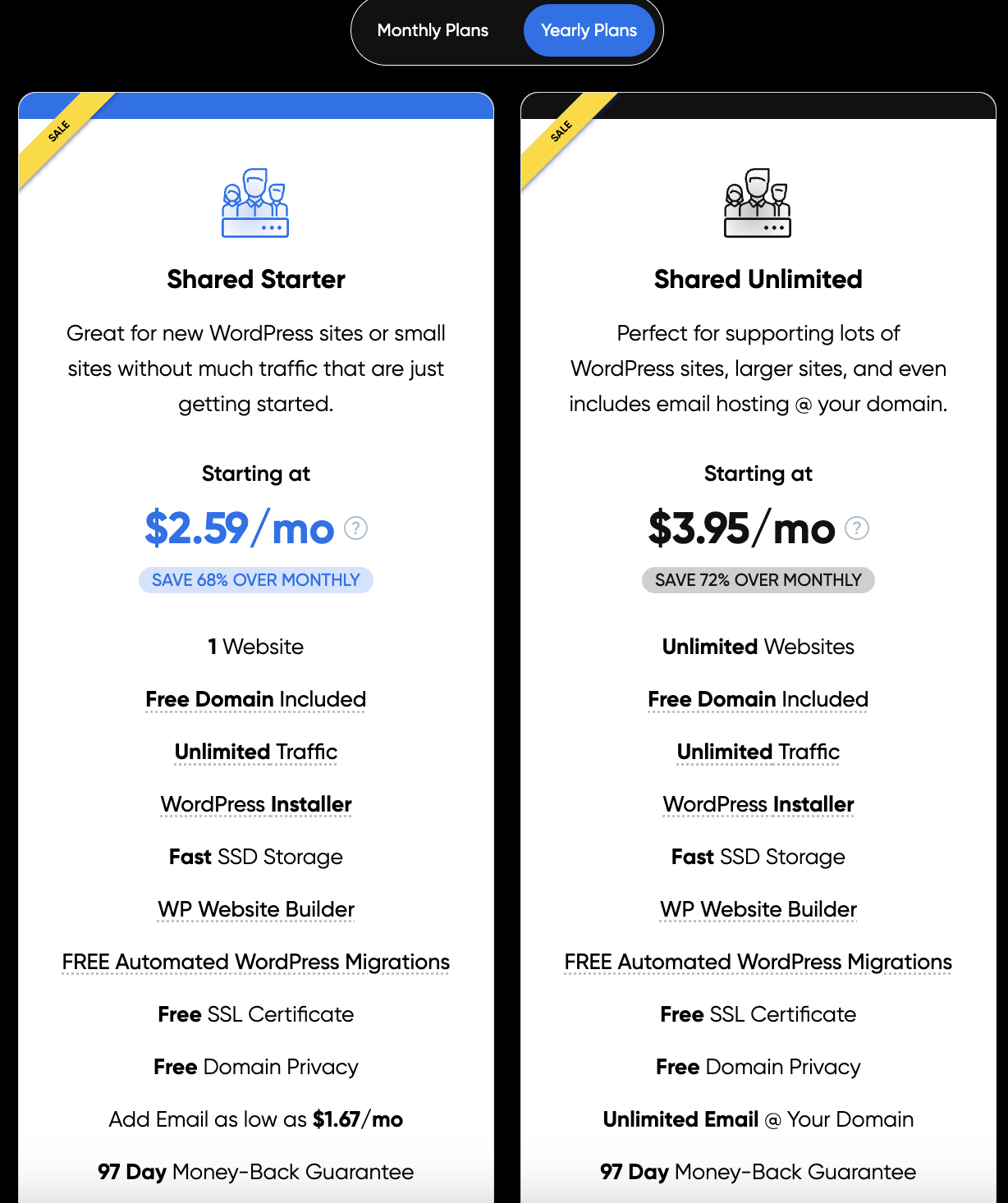
Shared hosting means sharing space with others. It’s like living in an apartment. Many websites use the same server. This makes it cheap and easy to start. It’s great for small sites or beginners. But, if one site is busy, others might get slow. Security can be a concern too.
VPS stands for Virtual Private Server. It’s like having your own house. You get your own space on a server. It’s more powerful than shared hosting. Websites are faster and more secure. It’s good for growing sites. But, it costs more than shared hosting.
Dedicated hosting means having the whole server to yourself. It’s like owning a whole building. This gives you full control and best performance. Perfect for big websites or businesses. It’s very secure and fast. But, it is also the most expensive option.
Cloud hosting uses many servers. It’s like using many houses when needed. This makes it very flexible. Websites stay online even if one server fails. It’s great for sites with lots of visitors. But, costs can vary based on use.
Key Features Of Web Hosting
Web hosting offers storage space for your website files. You can store text, images, and videos. Bandwidth lets people visit your site. More bandwidth means more visitors can come at once.
Web hosting should have high uptime. Uptime is the time your site is online. Reliable hosting keeps your site up most of the time. Your site should be available to users.
Security is very important. Hosting services offer security features. These features keep your site safe from hackers. They can include firewalls and secure login systems.
Scalability helps your site grow. You might need more resources as your site grows. A scalable hosting plan can provide these resources. Your site can handle more visitors with scalability.
Benefits Of Web Hosting
Web hosting makes websites fast. It helps pages load quickly. Visitors can browse smoothly. Speed keeps them happy. Good hosting reduces downtime. Your site is always up. People can visit anytime.
Web hosting protects data. It uses firewalls to keep hackers away. Backups save your files. If something goes wrong, you can recover them. Hosting prevents viruses. Your website stays clean and safe.
Search engines like fast sites. Web hosting boosts SEO. It helps your site rank better. More people find it in searches. Good hosting improves user experience. Search engines notice this and rank you higher.
Web hosting offers custom emails. You can create email addresses with your domain. It looks professional. Clients trust emails from your domain. Custom emails help brand recognition. Your business grows.
Credit: www.ryrob.com
Choosing The Right Web Hosting Provider
Start with your website goals. Do you need speed, storage, or security? Every site is unique. Think about your future growth. A good host will help with scaling.
Good support is vital. Check if they offer 24/7 help. Can you reach them by phone, email, or live chat? Quick responses save time. Choose hosts known for great service.
Price matters. Look for value in each plan. Some hosts offer discounts for longer terms. Avoid plans with hidden costs. Compare features to find the best deal.
Reviews tell real stories. Read about user experiences. Happy customers mean a reliable host. Watch for patterns in complaints. Reviews help you make a smart choice.
Common Web Hosting Mistakes
Security keeps your website safe from bad people. Many forget to use strong passwords or update software. These mistakes can lead to hackers stealing information. Always remember, security is important. Make sure to use firewalls and regular updates. Protect your website like you protect your home.
Some websites grow bigger over time. You need a host that can grow too. Many choose hosts that can’t handle growth. This can make your website slow or crash. Scalability helps your website stay fast and strong. Plan for growth from the start. Choose a host that can expand with you.
Cheap hosting might seem good. But it can cause problems. Some cheap hosts are slow or unreliable. Paying a little more can mean better service. Quality is important for your website. A good host makes your website run well. Think of hosting as an investment.
Websites can break or lose data. Backups save your website’s information. Many forget to set up regular backups. This can lead to losing important data. Use a host that offers backup solutions. Keep your data safe and sound. Backups are like a safety net.
Future Trends In Web Hosting
Many web hosts are now using renewable energy. Solar and wind power are popular choices. This helps the environment. Companies are planting trees too. Their goal is to offset carbon emissions. This means they want to balance the bad with good. Everyone can help by choosing green hosts.
AI makes web hosting smarter. It can fix problems quickly. It also helps make websites faster. AI learns and gets better over time. This means fewer errors. Websites run smoothly with AI. Many hosts use AI for better customer support. This keeps users happy.
Cloud hosting is growing fast. It lets websites handle more visitors. Many businesses use it. They find it cost-effective. Cloud services are easy to scale. This means you can add more space when needed. It keeps websites running even if many visit at once.
Security is very important now. Hosts use better encryption methods. This keeps data safe. Strong firewalls block threats. Two-factor authentication is common. It adds another layer of protection. Regular updates keep security tight. Users can feel safe with these measures.
Credit: www.techtarget.com
Frequently Asked Questions
What Can I Do With Web Hosting?
Web hosting allows you to create websites, store data, and manage online content. You can host blogs, e-commerce sites, and more. It enables email hosting, enhances website performance, and provides security features. You can also use web hosting for backups and database management.
What Is The Purpose Of Web Hosting?
Web hosting stores website files on servers, making them accessible online. It ensures site performance, security, and reliability. Hosting services support domain management and offer various plans for different needs.
What Does A Web Hosting Platform Do?
A web hosting platform stores your website’s data on servers, making it accessible online. It provides essential resources like bandwidth, storage, and security. Hosting ensures your site runs smoothly and efficiently, offering technical support and server management. Choose a reliable host for better site performance and user experience.
What Are The 3 Types Of Web Hosting?
Web hosting types include shared hosting, where multiple sites share a server; VPS hosting, offering dedicated resources on a shared server; and dedicated hosting, providing a whole server for one site. Each type varies in cost, performance, and control.
Conclusion
Web hosting is vital for any online presence. It ensures your website runs smoothly. Choosing the right host impacts speed, security, and reliability. Think about your needs and budget. Shared hosting suits small sites. Larger sites might need dedicated servers.
Good hosting enhances user experience. It keeps visitors engaged and returning. Always research and compare options. This helps find the best fit for your site. A reliable web host supports your growth. It’s an investment in your online success. Make informed choices and watch your website thrive.


