
Have you ever stumbled upon a website and wondered, “What web host does this site use?” If so, you’re not alone.
Whether you’re a curious web enthusiast or a savvy entrepreneur looking to optimize your online presence, uncovering the secret sauce behind a website’s performance can feel like finding a hidden treasure. Imagine having the power to identify the web host responsible for a site’s speed, reliability, and overall user experience.
The good news is, you can! We’ll delve into the fascinating world of web hosting, reveal how to determine the hosting provider of any site, and explore why it matters to you. By the end, you’ll be equipped with the knowledge to make informed decisions about your own site’s hosting needs. Ready to unlock the mystery? Let’s dive in!
Identifying Web Hosts
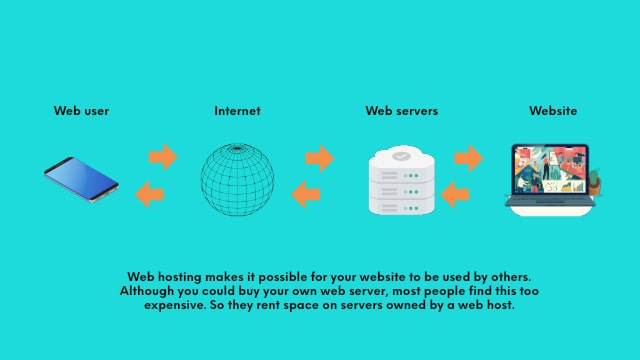
Web hosting is where your website lives on the internet. It stores your site’s files and data. Many types of web hosting exist. Each offers different features. Shared hosting is common and affordable. Many sites share one server. It is good for small sites. VPS hosting offers more control. It is pricier but powerful. Dedicated hosting means one server for one site. It is costly and for big sites. Cloud hosting uses many servers. It is flexible and scalable. Suitable for growing sites.
| Type | Feature | Best For |
|---|---|---|
| Shared Hosting | Low cost, many sites share | Small websites |
| VPS Hosting | More control, virtual server | Medium websites |
| Dedicated Hosting | Full server, high cost | Large websites |
| Cloud Hosting | Flexible, uses many servers | Growing websites |
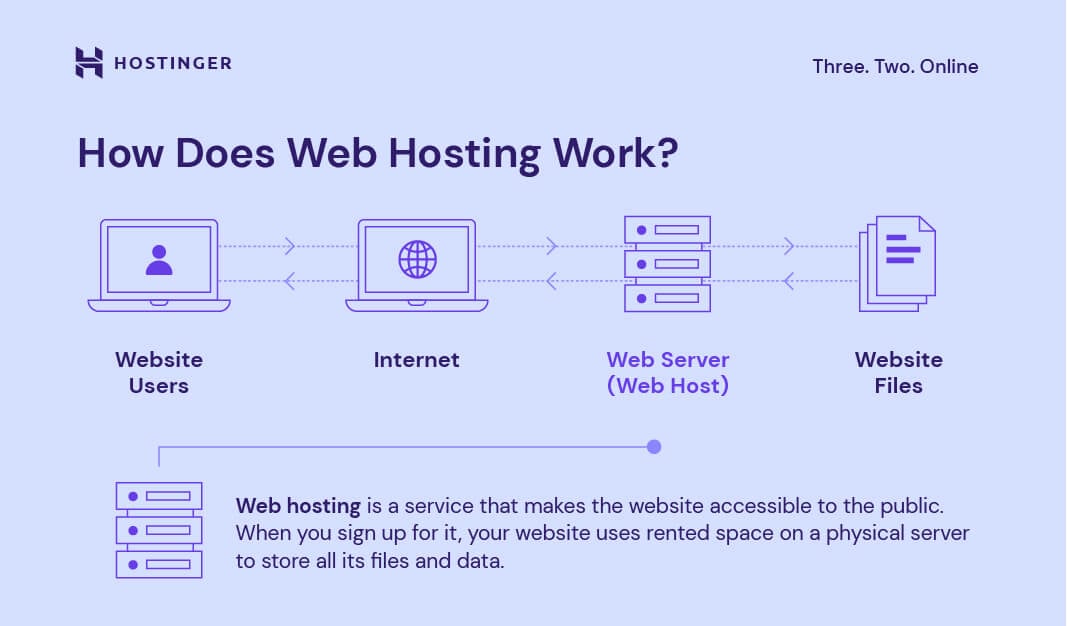
Credit: www.hostinger.com
Tools For Discovering Web Hosts
Online services help find a website’s host. Whois Lookup is popular. It shows the domain owner and hosting provider. Another service is Hosting Checker. Enter a URL and see the host name. SimilarWeb offers more details. It gives traffic data and host info. Netcraft provides server details. It is helpful for tech enthusiasts.
Some browser tools find hosting info fast. Wappalyzer shows server details. It works on Chrome and Firefox. BuiltWith is another tool. It reveals hosting info and tech stack. Ghostery helps too. It tells about trackers and hosting details. These tools are easy to use. They are great for quick checks.
Manual Investigation Techniques
DNS records hold clues about a website’s host. Tools like WHOIS help find these records. Nameservers in DNS records often point to the host. Look for familiar names like GoDaddy or Bluehost. This can give a hint of the hosting provider. Access these tools online for free. Remember, DNS records can change often.
The source code can show hosting details. Right-click on a page, then choose View Page Source. Look for comments or links that mention hosting services. Sometimes, meta tags contain hints. This method may not always work. But it can give useful clues about the host.
Credit: www.godaddy.com
Interpreting Results
Finding the web host for a site is simple. Use online tools to help. Enter the website URL in the tool. It checks the server details. Results show the hosting provider. Look for names like Bluehost, GoDaddy, or HostGator. These are common hosts. Some tools even give extra info. They show IP address and server location. All this helps you know more about the site.
Shared hosting is popular. Many sites use one server. Check if a site is on shared hosting. Look for clues in the results. Shared hosting often has slower speeds. Many sites share the same IP address. This is a sign of shared hosting. It is also cheaper. Good for small sites. Not ideal for big sites with lots of traffic.
Common Challenges
Finding out which web host a site uses can be tricky. Identifying the host often requires technical tools. Beginners may struggle with interpreting the data these tools provide.
Hidden Hosts
Finding the web host can be tricky. Some hosts hide their details. This makes it hard to know who runs a site. Many tools try to find hidden hosts. They do not always work. Sometimes, they show wrong information. Other times, they miss data. This can confuse users.
Limitations Of Tools
Tools have limits. They might not catch every host. Some sites use special tricks. These tricks hide host details. Tools might not see these tricks. This makes it tough to find correct hosts. Users need reliable tools. But, even the best tools can fail. Always double-check with other sources. This helps ensure accuracy.
Tips For Accurate Identification
Cross-referencing data is a smart way to find a site’s web host. Use tools to gather details about the site. Look for IP addresses and server names. Compare this data with hosting provider lists. Some websites display their host in the footer. Check if any names match. Visit hosting provider websites. Look for similar sites they host. This can give more clues. Always use multiple sources for best results. This ensures you get the right answer.
Staying updated with technology is key. Web hosting tech changes often. New tools and methods appear. Use the latest tools for better accuracy. Read tech blogs and forums. They share new tools and tricks. Stay curious. Keep learning. This helps in making fewer mistakes.
Legal And Ethical Considerations
Understanding legal and ethical considerations is crucial when identifying a website’s web host. Ensuring privacy and data protection compliance is essential. Respect for intellectual property rights avoids legal issues.
Respecting Privacy
Understanding the importance of privacy is crucial. Every website has its own rules. These rules protect users’ data. Respecting privacy means not sharing private information. Websites store data securely. Users trust websites with their information. It’s essential to keep this trust. Secure practices help protect user data. Always be mindful of privacy concerns.
Avoiding Unauthorized Access
Gaining access without permission is wrong. Websites have locks to keep data safe. Unauthorized access can lead to problems. This includes stealing information. Avoid trying to break these locks. Respect the boundaries set by websites. Access should be granted legally. Being ethical means waiting for permission. Unauthorized actions can harm both users and websites.

Credit: www.godaddy.com
Frequently Asked Questions
How To Find Out What Web Hosting A Site Is Using?
Use online tools like “Whois” or “Hosting Checker” to identify a site’s web hosting provider. Inspect the site’s DNS records for hosting details. You can also check the site’s source code for clues about hosting services. These methods help you discover the hosting company quickly and easily.
What Is The Host Of My Website?
Your website host is the company providing server space for your site online. Common hosts include Bluehost, HostGator, and SiteGround. To find yours, check your hosting account details or emails from when you registered your domain. Hosting services manage server resources, ensuring your website remains accessible to visitors.
How Do I Find Out What Platform A Website Is Hosted On?
Use tools like BuiltWith or WhatCMS to identify a website’s hosting platform. Alternatively, check the website’s source code for server information.
How Do I Know What Server A Website Is Using?
Use online tools like Netcraft or WhoIsHostingThis to identify the server hosting a website. These tools provide detailed server information, including hosting provider and server type. Alternatively, inspect website headers using browser developer tools for server details.
Conclusion
Choosing the right web host is crucial for your website’s success. It impacts speed, security, and uptime. Take time to research options thoroughly. Compare features, prices, and support. Focus on what your site needs most. A reliable host makes all the difference.
Whether you’re running a blog or business, good hosting matters. Don’t rush this decision. Your site’s performance depends on it. Test different hosts if needed. Read reviews and gather feedback. Keep your audience in mind. Their experience is key. Ultimately, the right host supports your growth.
Make an informed choice for lasting success.


