
Are you planning to launch a website but feeling overwhelmed by the many web hosting options out there? You’re not alone.
Choosing the right type of web hosting is crucial for your online success. The right choice can enhance your website’s performance, security, and scalability. But how do you know which one is best for you? In this guide, we’ll break down the different types of web hosting available.
With clear explanations and helpful insights, you’ll be empowered to make an informed decision. Stay with us, and by the end, you’ll feel confident in choosing the web hosting that perfectly fits your needs.
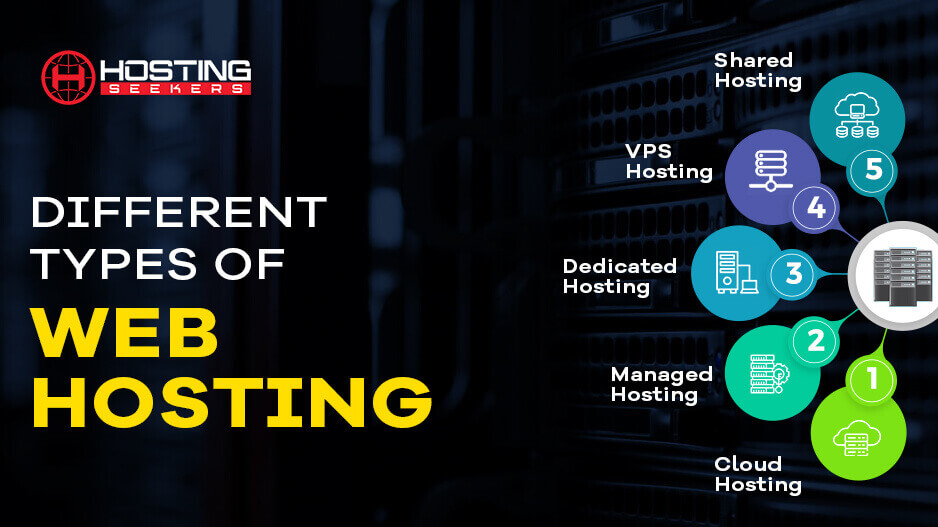
Shared Hosting
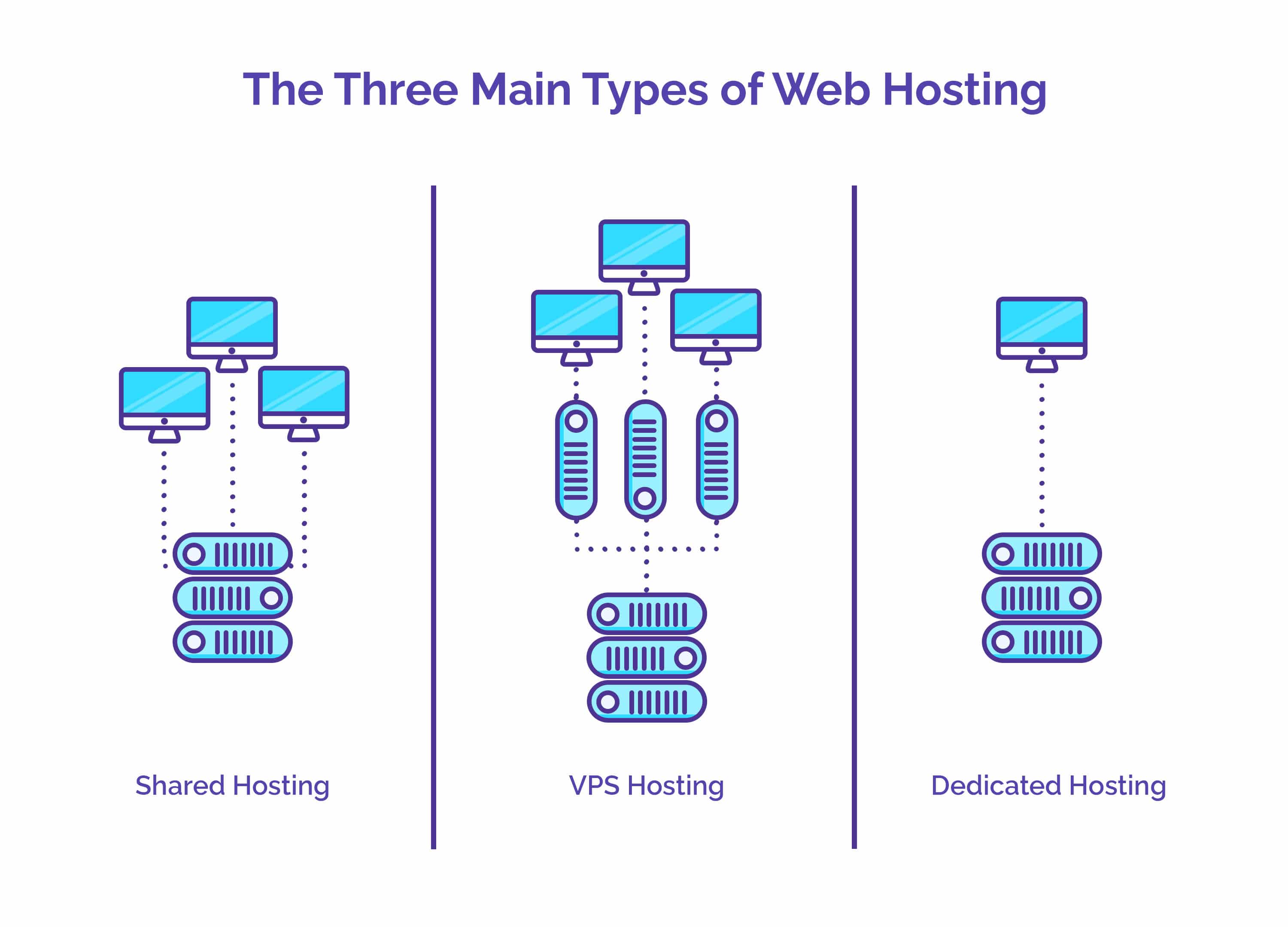
Shared hosting is like sharing a room with friends. It’s cheaper. You split the cost with others. But if someone is noisy, it can bother you. Your site might be slow if others use too much space. Security is shared too. If one site gets hacked, others might be at risk. It’s great for small websites. But not good for big or busy ones. Low cost makes it popular. Remember, you share resources. This is its biggest drawback.
Beginners love shared hosting. It’s easy to start. No technical skills needed. Hosting company does most of the work. You can focus on your website. It’s budget-friendly. Perfect for learning and small projects. If your site grows, you can upgrade later. Many beginners find it helpful. It’s a simple way to start online.
Credit: www.hostingseekers.com
Vps Hosting
VPS stands for Virtual Private Server. It is a type of hosting. It gives users a dedicated part of a server. This means you get a section just for your site. It’s like having your own small server. But you share the big server with others. Each user has their own space.
VPS hosting is great for growing websites. It is perfect when shared hosting is not enough. E-commerce sites often use VPS. They need more space and security. It’s also good for websites that get a lot of traffic. Developers love VPS for testing apps. It offers more control. More than shared hosting.
Dedicated Hosting
Dedicated hosting gives you full control. You get all the resources. No need to share with others. This is like having your own computer. You can do anything you want.
This type of hosting is best for large websites. Big companies use it. They need lots of space. They have many visitors each day. Dedicated hosting keeps their sites fast. It helps them manage traffic well.
Credit: www.yourlasthost.com
Cloud Hosting
Cloud hosting is known for its scalability. You can easily add more resources. This is great for growing websites. Flexibility is also a key feature. Websites can adapt to traffic changes. This helps to avoid crashes or slowdowns. Resources can be changed easily. This makes cloud hosting very convenient.
Cloud hosting can be cost-effective. You pay for what you use. There are no hidden fees. It can be cheaper than traditional hosting. Prices can vary based on resources. More resources mean higher costs. Always check pricing plans. This helps to avoid surprises.
Managed Hosting
Managed hosting offers many benefits. Experts handle server tasks. You focus on your website. Updates, security, and backups are managed. This saves time. It also reduces stress. Your site runs smoothly. The support team is always ready. They solve problems fast. No tech skills needed. You get peace of mind.
Who should consider managed hosting? Businesses with no IT team benefit most. It’s ideal for busy entrepreneurs. Perfect for small businesses. Great for bloggers with high traffic. Also, websites needing high security. It suits anyone wanting less technical hassle.
Colocation Hosting
Colocation hosting gives users control over their own hardware. Users rent space in a data center. This allows them to use the center’s infrastructure and security. The data center offers a strong network and power supply. They also provide cooling systems for equipment. Users can focus on their business without worrying about these facilities.
Infrastructure And Security
Data centers have high-level security measures. This includes 24/7 surveillance and secure access controls. They have backup systems for power and internet. This ensures continuous operation. The environment is controlled to prevent equipment damage. This makes colocation a safe choice.
When To Choose Colocation
Colocation is for businesses with their own servers. It suits firms needing high uptime and security. It is ideal for companies wanting to avoid large infrastructure costs. Small firms can enjoy professional-grade facilities at a lower price. This option is best when businesses need more space and reliability.
Reseller Hosting
Reseller hosting is great for those who want a hosting business. It lets you rent server space and sell it to others. You can make your own brand and set your own prices. This is good for entrepreneurs who want to start small. You don’t need big servers or a tech team.
You get a control panel to manage your clients. It helps in billing and support. Reseller hosting is flexible. You can upgrade as your business grows. It’s a smart way to enter the hosting market. Many use it to earn extra income.
WordPress Hosting
WordPress Hosting is special for WordPress websites. It makes sites fast and safe. It is easy to use. It saves time.
Key Features
- Speed: Websites load quickly.
- Security: Keeps sites safe from bad guys.
- Support: Help is available all day and night.
- Updates: Automatic updates for plugins and themes.
- Backup: Makes a copy of your site every day.
Green Hosting
Green hosting uses clean energy. It helps the planet. This type of hosting reduces carbon. It uses wind or solar power. Many companies switch to green hosting. They want to help the earth. It is a step towards a better future.
Green hosting is good for the earth. It saves resources. It can also save money. Many people like this choice. They feel good about it. It shows care for nature. It supports clean energy use. Choosing green hosting means caring for the planet. It is a smart choice for everyone.

Credit: www.siteground.com
Frequently Asked Questions
What Are The 3 Types Of Web Hosting?
The three types of web hosting are shared hosting, VPS hosting, and dedicated hosting. Shared hosting shares resources among multiple websites. VPS hosting provides a virtual private server with dedicated resources. Dedicated hosting offers an entire server for one website, ensuring maximum control and performance.
What Is The Best Type Of Web Hosting?
The best web hosting type depends on your needs. Shared hosting suits beginners, while VPS offers more resources. For high traffic, choose dedicated servers. Cloud hosting provides scalability and reliability. Evaluate your website’s requirements to decide.
How Many Web Hosting Are There?
There are numerous web hosting providers available worldwide. Popular types include shared, VPS, dedicated, and cloud hosting. Options vary based on features, pricing, and performance needs. It’s essential to choose a hosting service that aligns with your website requirements and budget.
Research and compare to find the best fit for your needs.
How Much Does Website Hosting Cost Per Month?
Website hosting costs vary from $3 to $500 monthly, depending on features and services. Shared hosting is cheaper, while dedicated hosting is pricier. Consider your website needs and budget to choose the best plan. Hosting providers offer various plans to suit different requirements.
Conclusion
Choosing the right web hosting is crucial. It affects site performance. Shared hosting is cost-effective. Good for small websites. VPS offers more control. Better for growing sites. Dedicated hosting provides full server control. Ideal for large businesses. Cloud hosting is flexible.
Perfect for fluctuating demands. Each type has benefits and drawbacks. Consider your needs carefully. Budget, traffic, and technical skills matter. Choose wisely for the best results. A suitable host ensures smooth operations. Don’t rush the decision. Your website’s success depends on it.
Make an informed choice today.


