
Are you wondering which software your business truly needs to succeed? Choosing the right tools can feel overwhelming, but getting it right saves you time, money, and stress.
Imagine having software that streamlines your tasks, boosts productivity, and helps you stay ahead of competitors. You’ll discover the essential types of software every business should have. By the end, you’ll know exactly what to invest in to make your work easier and your business stronger.
Keep reading—you don’t want to miss these game-changing insights.
Core Business Software
Core business software forms the foundation of a company’s daily operations. These tools help manage key tasks efficiently and keep the business organized. Choosing the right software can save time and reduce errors.
Businesses rely on different types of core software to handle finances, customers, and resources. Each type plays a unique role in supporting business growth and stability.
Accounting And Finance Tools
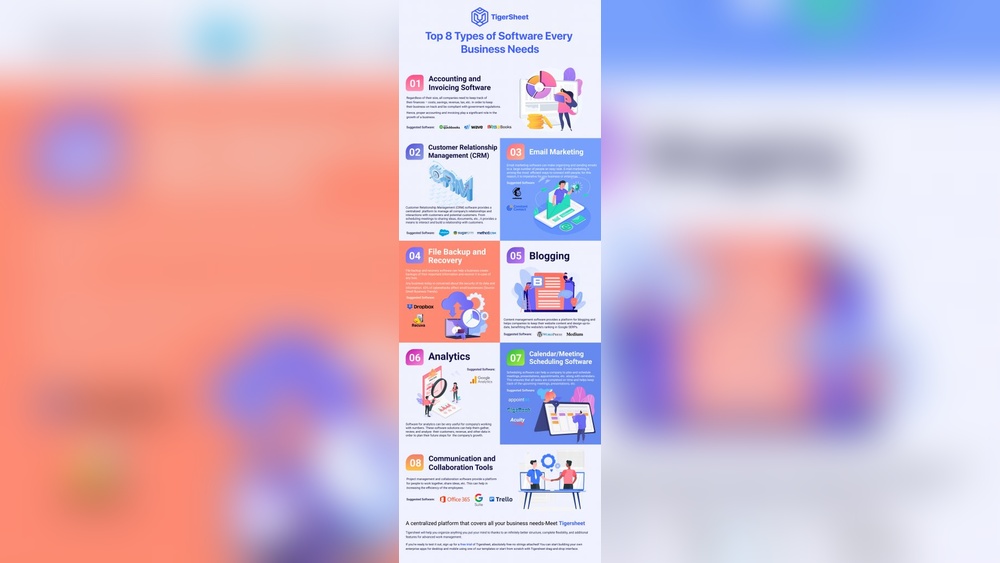
Accounting software manages money flow and tracks expenses and income. It helps create invoices, pay bills, and prepare taxes. These tools keep financial records accurate and easy to access. Many small businesses use programs like QuickBooks or Xero for simple bookkeeping.
Finance tools also help with budgeting and forecasting. They give insights into cash flow and help avoid overspending. Proper accounting software reduces mistakes and saves time on manual tasks.
Customer Relationship Management
Customer Relationship Management (CRM) software stores customer information in one place. It tracks sales, contacts, and communication history. This helps businesses build better relationships with clients.
CRM tools improve customer service and support sales teams. They allow quick responses to customer needs and help find new leads. Popular CRM options include Salesforce and HubSpot.
Enterprise Resource Planning
Enterprise Resource Planning (ERP) software integrates various business functions. It connects finance, HR, supply chain, and production data into a single system. This creates better coordination across departments.
ERP systems improve efficiency by automating processes and providing real-time information. Larger businesses often use ERP to manage complex operations. Examples include SAP and Oracle ERP.
Credit: www.usemotion.com
Communication And Collaboration
Communication and collaboration are key for any business. These tools help teams share ideas and work together smoothly. Good software makes communication clear and fast. It keeps everyone connected, even when working remotely. Choosing the right tools boosts teamwork and productivity.
Email And Messaging Platforms
Email remains a basic tool for business communication. It helps send formal messages and share files. Messaging platforms offer quick chats for fast replies. These tools reduce the need for long meetings. They keep conversations organized and easy to track.
Video Conferencing Solutions
Video calls allow face-to-face meetings online. They help teams discuss projects and solve problems fast. Video tools support screen sharing and recording. This makes training and presentations simple. They connect remote workers and clients easily.
Project Management Software
Project management tools organize tasks and deadlines. They show who is responsible for each job. These platforms help teams stay on track. They improve task sharing and progress updates. Everyone knows what to do and when.
Marketing And Sales Software
Marketing and sales software helps businesses reach customers and grow revenue. It makes tasks easier and saves time. This software helps teams communicate, track leads, and close deals faster.
Choosing the right tools can improve customer engagement and boost sales. Here are some key types of marketing and sales software every business should consider.
Email Marketing Tools
Email marketing tools send newsletters and promotions to customers. They help create attractive emails with easy templates. These tools track who opens and clicks emails. Businesses can see what works best. They also automate sending emails at the right time.
Social Media Management
Social media management software schedules posts on platforms like Facebook and Instagram. It helps monitor comments and messages from customers. Teams can plan content in advance. These tools also analyze which posts get the most attention.
Sales Automation Platforms
Sales automation platforms organize customer information in one place. They track leads and follow-up tasks automatically. These tools help sales teams work more efficiently. They reduce manual data entry and improve communication.

Credit: ezo.io
Security And Data Protection
Security and data protection are vital for every business. They keep information safe from theft and damage. Protecting data builds trust with customers and partners. It also helps avoid costly breaches and downtime.
Choosing the right security software is essential. It stops viruses, secures backups, and controls access. These tools work together to keep your business safe.
Antivirus And Malware Protection
Antivirus software scans and removes harmful programs. It blocks viruses, spyware, and ransomware from damaging systems. Regular updates keep it ready for new threats. This software runs quietly in the background, protecting files and networks.
Data Backup Solutions
Backups save copies of important files and data. They protect against data loss from accidents or attacks. Cloud backups offer extra safety by storing data offsite. Scheduling automatic backups ensures data is always current. Quick recovery means less downtime during issues.
Access Control And Authentication
Access control limits who can see or use data. Authentication confirms user identities before granting access. Strong passwords and two-factor authentication increase security. These methods prevent unauthorized users from reaching sensitive information. Proper access management reduces internal and external risks.
Productivity And Office Tools
Productivity and office tools help businesses work faster and smarter. These tools make daily tasks easier. They improve communication and help organize work. Using the right tools saves time and reduces mistakes. Every business needs software that supports these goals.
Word Processing And Spreadsheets
Word processing software creates and edits documents. It helps write letters, reports, and proposals. Spreadsheets organize numbers and data in tables. They calculate budgets, track sales, and analyze trends. These tools are essential for clear communication and accurate data management.
Note-taking And Organization
Note-taking apps capture ideas and important information quickly. They keep meeting notes, to-do lists, and reminders in one place. Organization tools help arrange files and tasks logically. These apps ensure nothing is forgotten and improve focus during busy days.
Time Tracking And Scheduling
Time tracking software records work hours and project time. It helps measure productivity and manage workloads. Scheduling tools plan meetings and deadlines efficiently. These tools keep teams on track and reduce scheduling conflicts.

Credit: mymanagementguide.com
Industry-specific Software
Industry-specific software helps businesses run smoothly. These programs fit the unique needs of different fields. They improve tasks and save time. Using the right software boosts efficiency and lowers errors.
Each industry has special demands. Software made for one may not work well for another. Choosing the right tool means better results and easier work.
Retail And E-commerce Solutions
Retail and e-commerce software manage sales and customers. They track inventory and process payments fast. These tools help update product listings and handle orders. They also support multiple sales channels, like online and in-store. Good software gives clear reports on sales and stock.
Healthcare Management Systems
Healthcare software keeps patient records safe and organized. It schedules appointments and manages billing. These systems help with prescriptions and test results. They improve communication between doctors and patients. Security is a top priority in healthcare software.
Manufacturing And Inventory Control
Manufacturing software plans production and tracks materials. It helps schedule work and manage machines. Inventory control tools keep stock levels accurate. They prevent shortages and reduce waste. These systems improve supply chain management and reporting.
Frequently Asked Questions
What Essential Software Does Every Business Need?
Every business needs accounting, communication, and project management software. These tools improve efficiency, track finances, and enhance team collaboration.
How Does Crm Software Benefit Businesses?
CRM software helps manage customer interactions, sales, and marketing efforts. It improves customer relationships and boosts sales performance.
Why Is Cybersecurity Software Important For Businesses?
Cybersecurity software protects sensitive data from cyber threats. It safeguards business information and ensures compliance with data protection laws.
What Role Does Inventory Software Play In Business?
Inventory software tracks stock levels, orders, and sales. It prevents overstocking and stockouts, optimizing supply chain management.
Conclusion
Choosing the right software helps businesses run smoothly and stay organized. Basic tools like accounting, communication, and project management software support daily tasks. Security programs protect important data from threats. Easy-to-use software saves time and reduces errors. Each business needs different tools based on its size and goals.
Keep software updated to maintain efficiency and safety. Smart software choices lead to better teamwork and faster work. Think about what your business really needs before buying software. Simple, useful programs make work easier and help your business grow steadily.


