Are you curious about the different types of software your business might need to run smoothly? Choosing the right tools can save you time, cut costs, and boost your team’s productivity.
But with so many options out there, it’s easy to feel overwhelmed. You’ll discover the key software categories that businesses rely on every day. Understanding these will help you make smarter decisions and stay ahead of the competition. Keep reading to find out which software can transform your business and why it matters to you.
Core Business Software
Core business software forms the backbone of daily operations in companies. These tools help manage key tasks efficiently. They organize data, automate processes, and improve decision-making. Businesses rely on core software to keep everything running smoothly. Below are some essential types of core business software.
Accounting And Finance Tools
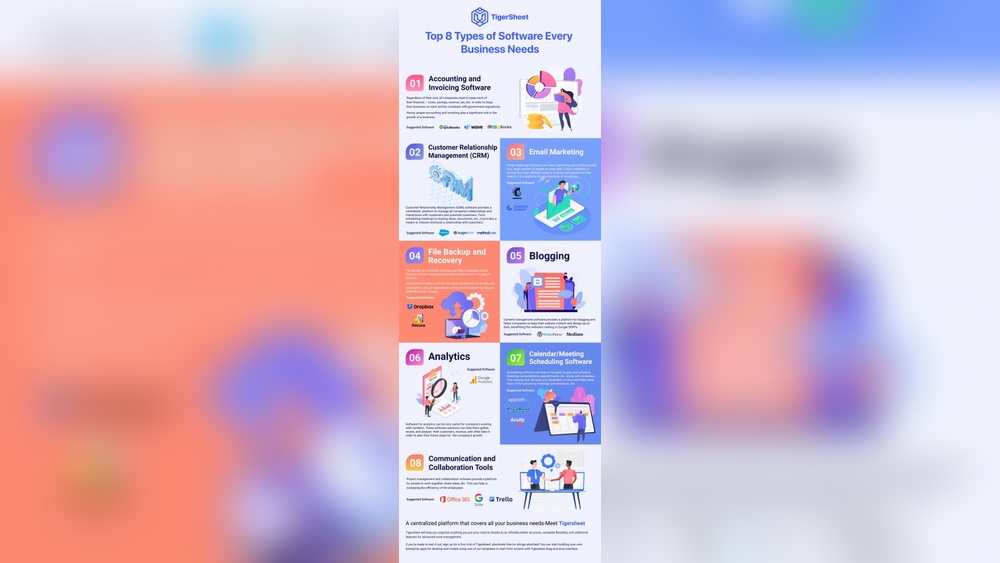
Accounting and finance software tracks money flow in a business. It records income, expenses, and taxes. These tools create invoices and manage payroll. They also generate financial reports for better insight. Using accounting software reduces errors and saves time.
Customer Relationship Management
Customer Relationship Management (CRM) software helps businesses manage customer interactions. It stores contact information and tracks communications. CRM tools improve sales by organizing leads and follow-ups. They also help provide better customer service and support.
Enterprise Resource Planning
Enterprise Resource Planning (ERP) software integrates many business functions. It connects finance, inventory, sales, and human resources. ERP systems provide a clear view of company operations. They help improve efficiency and reduce costs by automating tasks.

Credit: www.toobler.com
Communication And Collaboration
Communication and collaboration tools help teams work better together. They allow sharing ideas, files, and updates quickly. These tools make remote work easier and improve teamwork.
Businesses use different software to keep communication clear and projects on track. These tools help employees stay connected, no matter where they are.
Email And Messaging Platforms
Email remains a key tool for formal communication in business. Messaging platforms offer quick chats and group conversations. These tools help teams solve problems fast and share information easily.
Popular platforms include Gmail, Outlook, Slack, and Microsoft Teams. They support text, voice, and file sharing to keep communication smooth.
Project Management Software
Project management software helps teams organize tasks and deadlines. It shows who is responsible for each job and tracks progress. This software keeps projects on time and within budget.
Examples include Trello, Asana, and Monday.com. They provide visual boards and reminders to keep teams focused and productive.
Video Conferencing Solutions
Video calls connect teams face-to-face from different locations. They allow real-time discussions and presentations. Video conferencing helps build stronger relationships and reduces travel costs.
Zoom, Microsoft Teams, and Google Meet are common choices. These tools support screen sharing and recording for better meeting outcomes.
Marketing And Sales Software
Marketing and sales software helps businesses reach customers and close deals. These tools save time and make tasks easier. They support teams in managing campaigns, tracking leads, and building relationships.
Marketing Automation
Marketing automation software sends emails and messages automatically. It targets the right audience with personalized content. This tool tracks customer behavior to improve campaigns. It helps businesses grow by saving time and effort.
Sales Enablement Tools
Sales enablement tools provide sales teams with useful resources. They include templates, presentations, and data on prospects. These tools improve communication between sales and marketing. They help close deals faster by giving quick access to information.
Social Media Management
Social media management software schedules posts and monitors activity. It tracks likes, comments, and shares across platforms. This software helps businesses engage with followers regularly. It also analyzes data to improve social media strategies.
Productivity And Office Suites
Productivity and office suites are essential tools in business. They help teams work faster and smarter. These suites include software for writing documents, making spreadsheets, and creating presentations. Each tool plays a unique role in daily business tasks. Understanding these tools helps improve workflow and communication.
Document Creation And Editing
Document creation software lets businesses write and edit text easily. It supports reports, letters, and meeting notes. Users can format text, add images, and check spelling. Collaboration features allow multiple people to work on the same file. This software keeps documents organized and professional.
Spreadsheet Applications
Spreadsheet software manages numbers and data efficiently. It helps track budgets, sales, and inventory. Users create tables, charts, and formulas to analyze information. This tool simplifies complex calculations and data comparison. Many businesses rely on it for financial planning and reporting.
Presentation Software
Presentation software creates slideshows for meetings and pitches. It combines text, images, and videos to share ideas clearly. Users can add animations and transitions to engage the audience. This tool supports storytelling and helps explain concepts visually. It is key for effective communication in business.
Security And Compliance Tools
Security and compliance tools protect businesses from cyber threats and legal risks. These tools help keep data safe and ensure companies follow rules. Every business needs strong security to protect its information and reputation.
Antivirus And Malware Protection
Antivirus software stops viruses and malware from harming computers. It scans files and blocks unsafe programs. This protection keeps business systems running smoothly. Without antivirus, businesses risk data loss and downtime.
Data Backup Solutions
Data backup tools save copies of important files. They prevent data loss from accidents or attacks. These backups allow businesses to restore information quickly. Regular backups are essential for business continuity.
Regulatory Compliance Software
Compliance software helps businesses follow laws and regulations. It tracks changes and ensures all rules are met. This software reduces legal risks and fines. Staying compliant builds trust with customers and partners.
Industry-specific Software
Industry-specific software serves the unique needs of different business sectors. It helps companies perform tasks that generic software cannot handle well. These specialized tools improve efficiency and accuracy in daily operations. Each industry has software tailored to its main activities and challenges.
Healthcare Management Systems
Healthcare management systems organize patient records and appointments. They help doctors and nurses track treatments and medications. These systems improve patient care by providing quick access to information. They also support billing and insurance claims to speed up payments.
Retail Point Of Sale
Retail point of sale software handles sales transactions and inventory. It allows cashiers to scan products and process payments fast. This software tracks stock levels and alerts managers about low supplies. It helps stores run smoothly and manage their products better.
Manufacturing Process Software
Manufacturing process software controls production lines and schedules tasks. It monitors machine performance and product quality. This software reduces errors and waste in factories. It helps manufacturers meet deadlines and keep costs low.
Cloud And Storage Solutions
Cloud and storage solutions help businesses keep data safe and accessible. They allow easy access to files from anywhere. These solutions reduce the need for physical storage devices. Businesses can scale their storage needs up or down quickly. This flexibility supports daily operations and long-term growth.
Cloud Computing Platforms
Cloud computing platforms provide virtual servers and resources online. Companies use these platforms to run software and store data. They avoid buying expensive hardware by renting cloud space. This approach lowers costs and increases efficiency. Popular platforms include Amazon Web Services and Microsoft Azure.
File Storage And Sharing
File storage and sharing tools let teams collaborate easily. Employees can save and share documents in real time. This improves teamwork and speeds up projects. Services like Google Drive and Dropbox are widely used. They offer secure access and simple file management.
Backup And Recovery Services
Backup and recovery services protect data from loss or damage. They automatically save copies of files regularly. Businesses restore data quickly after an accident or attack. These services reduce downtime and avoid costly data loss. Examples include Carbonite and Backblaze.

Credit: www.globalts.com

Credit: www.patriotsoftware.com
Frequently Asked Questions
What Are The Common Software Types Businesses Use?
Businesses commonly use CRM, ERP, accounting, project management, and communication software. Each serves different operational needs for efficiency and growth.
How Does Crm Software Benefit Businesses?
CRM software helps businesses manage customer relationships, improve sales, and enhance customer service. It centralizes client data and tracks interactions for better marketing.
Why Is Erp Software Important For Companies?
ERP software integrates core business processes like finance, HR, and supply chain. It improves data accuracy, streamlines operations, and supports better decision-making.
What Role Does Accounting Software Play In Business?
Accounting software automates financial tasks, manages invoices, tracks expenses, and generates reports. It ensures accurate bookkeeping and compliance with financial regulations.
Conclusion
Businesses use different software to manage tasks every day. From communication to accounting, each tool helps work run smoothly. Choosing the right software saves time and reduces errors. It also improves teamwork and keeps data organized. Small or large, every business benefits from good software choices.
Understanding these types helps pick what fits best. Simple, effective tools make work easier and more efficient. Software shapes how businesses grow and stay competitive. The right mix supports success now and in the future.