
Choosing the right web hosting for your website can feel overwhelming. With so many options, it’s easy to get lost in the jargon and features.
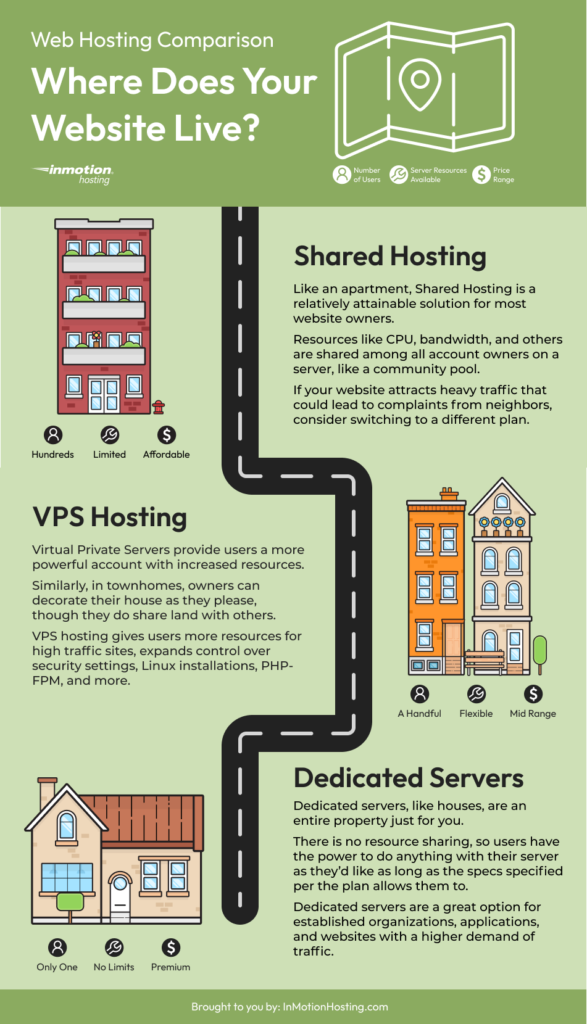
But don’t worry, you’re not alone in this. Imagine your website as a house; web hosting is the land it sits on. Pick the wrong type, and you might end up with a shaky foundation or pay too much for land you don’t need.
What if you could confidently decide which web hosting is best for you and your goals? By understanding the basics and knowing what to look for, you can make a choice that ensures your website runs smoothly, remains secure, and fits your budget. Let’s dive in and explore the different types of web hosting, so you can find the perfect match for your online presence.
Credit: www.inmotionhosting.com
Shared Hosting
Shared hosting is cost-effective. Many websites share one server. This makes it cheaper. But there can be downsides. Websites may load slowly. If one site uses too much power, others suffer. Security might be weaker. Your site may be at risk if another site gets hacked. It’s important to know these pros and cons before choosing.
Shared hosting is great for new users. It’s easy to use. You don’t need much technical knowledge. Many hosting plans offer support. This helps beginners. You can learn how websites work. Costs are low. This is good for small budgets. It’s a nice way to start without spending much.

Credit: elementor.com
Vps Hosting
VPS Hosting gives you more control. You get a private space on a server. This means better security. You share the server, but not the resources. It’s like having your own little home. Your data stays safe.
VPS is scalable. You can add more space easily. As your site grows, VPS grows too. No need to change to another server.
VPS Hosting is great for medium-sized websites. If you run an online store, VPS is good. You need a stable site for your customers. VPS helps with that.
Also good for websites with moderate traffic. You need speed and reliability. VPS provides both.
Dedicated Hosting
Dedicated servers offer complete control over your hosting. You get your own server for your website. This means better security since no one else uses your server. It also means faster speeds because you don’t share resources. Many businesses choose dedicated hosting for these reasons.
Large businesses often need dedicated hosting. They have high traffic websites. They need reliable performance and strong security. Dedicated hosting is good for websites with complex applications. These sites need more resources. If your website is very important to your business, consider dedicated hosting.
Cloud Hosting
Cloud hosting is known for its scalability and flexibility. It adjusts with your business needs. You can easily add more resources. Or reduce them when not needed. This means you pay for what you use.
Businesses with changing demands benefit a lot. They don’t worry about running out of space. Or paying for unused capacity. This is great for startups and growing companies. They need to adapt quickly to changes.
Businesses That Benefit
Many types of businesses gain from cloud hosting. Online stores need to handle big sales days. Tech companies often have unpredictable traffic. Educational sites that grow fast can use this too. Cloud hosting helps them all with ease.
Managed Hosting
Managed hosting offers a hassle-free web hosting solution. It provides expert support and handles server maintenance tasks. This option ensures your website runs smoothly without technical worries. Ideal for those seeking convenience and reliability.
Features Of Managed Services
Managed hosting offers a stress-free experience. Experts handle technical tasks. This includes updates, security, and backups. Users focus on their websites. Managed services provide 24/7 support. No need to worry about server issues. The team ensures peak performance. Websites run smoothly. Managed hosting is ideal for busy users. It saves time and effort.
When To Choose Managed
Managed hosting suits those with little tech knowledge. It’s perfect for businesses. Especially those without IT staff. Choose managed hosting for peace of mind. Let experts handle the hard work. It’s a smart choice for growing websites. Users can focus on content. Managed hosting is great for high traffic sites. It ensures everything runs well.
WordPress Hosting
WordPress Hosting makes your website load fast. It’s built just for WordPress. This means fewer problems and more time saved. Your site is safer too. Automatic updates help keep your site secure.
Bloggers love WordPress Hosting. It handles many visitors at once. You don’t need to worry about site crashes. Your blog stays online. This hosting supports different themes. You can change your blog’s look easily.
Factors To Consider
Choosing the right web hosting depends on your budget. Cheap hosting can save money. But, it might have fewer features. Expensive hosting offers more benefits. It might include better support. Decide what fits your wallet.
If you are new to web hosting, choose user-friendly options. Some hosting services offer easy setups. Others need coding skills. Beginners should opt for simpler plans. Advanced users might prefer more control.
Think about your website’s traffic. Small sites may not need high bandwidth. Large sites might need more resources. Hosting with scalable options is useful. It can handle traffic spikes. Plan for future growth.
Credit: wegic.ai
Comparing Hosting Providers
Picking a hosting company can be tricky. Many choices exist. Some top names are Bluehost, HostGator, and SiteGround. Each offers good plans. Bluehost is known for its strong performance. HostGator has flexible pricing. SiteGround shines with great features. Prices vary, but service matters more. Think about what you need. Speed, space, and cost are key.
Good support is a must. 24/7 support is helpful. Look for companies with live chat and phone help. Bluehost offers quick responses. HostGator has a friendly team. SiteGround is praised for its help. Choose a host that listens. Fast help can fix problems. Your website needs care and attention. Trust is important.
Frequently Asked Questions
What Type Of Web Hosting Do I Need?
Choose hosting based on your website’s needs: Shared hosting for small sites, VPS for moderate traffic, or dedicated for high traffic. Consider cloud hosting for scalability and flexibility. Ensure it supports your CMS and offers good uptime, security, and customer support.
Evaluate cost and growth potential.
What Are The 3 Types Of Web Hosting?
The three types of web hosting are shared hosting, VPS hosting, and dedicated hosting. Shared hosting is cost-effective, ideal for beginners. VPS hosting offers more control and resources for growing sites. Dedicated hosting provides maximum control and performance for large websites.
Which Hosting Is Best For A Website?
The best hosting for a website depends on your needs. Consider Bluehost for beginners, SiteGround for speed, or HostGator for affordability. Prioritize reliable uptime, strong security, and excellent customer support. Evaluate based on your website’s traffic, budget, and specific requirements.
Which Hosting Option Should You Use?
Choose a hosting option based on your website needs. For personal sites, shared hosting works. Businesses may prefer VPS or dedicated hosting for better control and resources. Evaluate your budget, traffic expectations, and technical skills to decide. Always prioritize reliability, speed, and customer support in your hosting choice.
Conclusion
Choosing the right web hosting impacts your online success. Consider your website’s needs carefully. Shared hosting suits beginners with low traffic. VPS offers more control for growing sites. Dedicated hosting provides complete resources for high-traffic websites. Cloud hosting is flexible and scalable.
Don’t forget to evaluate costs and support services. Research and compare options thoroughly. Your choice affects speed, security, and user experience. Make an informed decision for your website’s future. Start small and upgrade as your website grows. Remember, the right hosting supports your goals efficiently.


