
Choosing the right VPS for hosting your website can feel overwhelming. You’re faced with a myriad of options, and each one claims to be the best.
But how do you know which type of VPS is truly right for your needs? Imagine having a reliable, fast, and secure hosting environment tailored specifically for your website. Wouldn’t that offer peace of mind and boost your site’s performance?
You will discover the secrets to selecting the perfect VPS that aligns with your goals. Get ready to unlock the potential of your website and ensure it stands out in the crowded digital landscape. Dive in to make an informed decision that could transform your online presence.
Choosing The Right Vps
Identify the purpose of your website. Is it a blog, store, or forum? Each type has different needs. A small blog needs less power than a busy store. Think about the number of visitors. More visitors need more resources. Consider any special software your site may need. Some software requires more CPU or RAM.
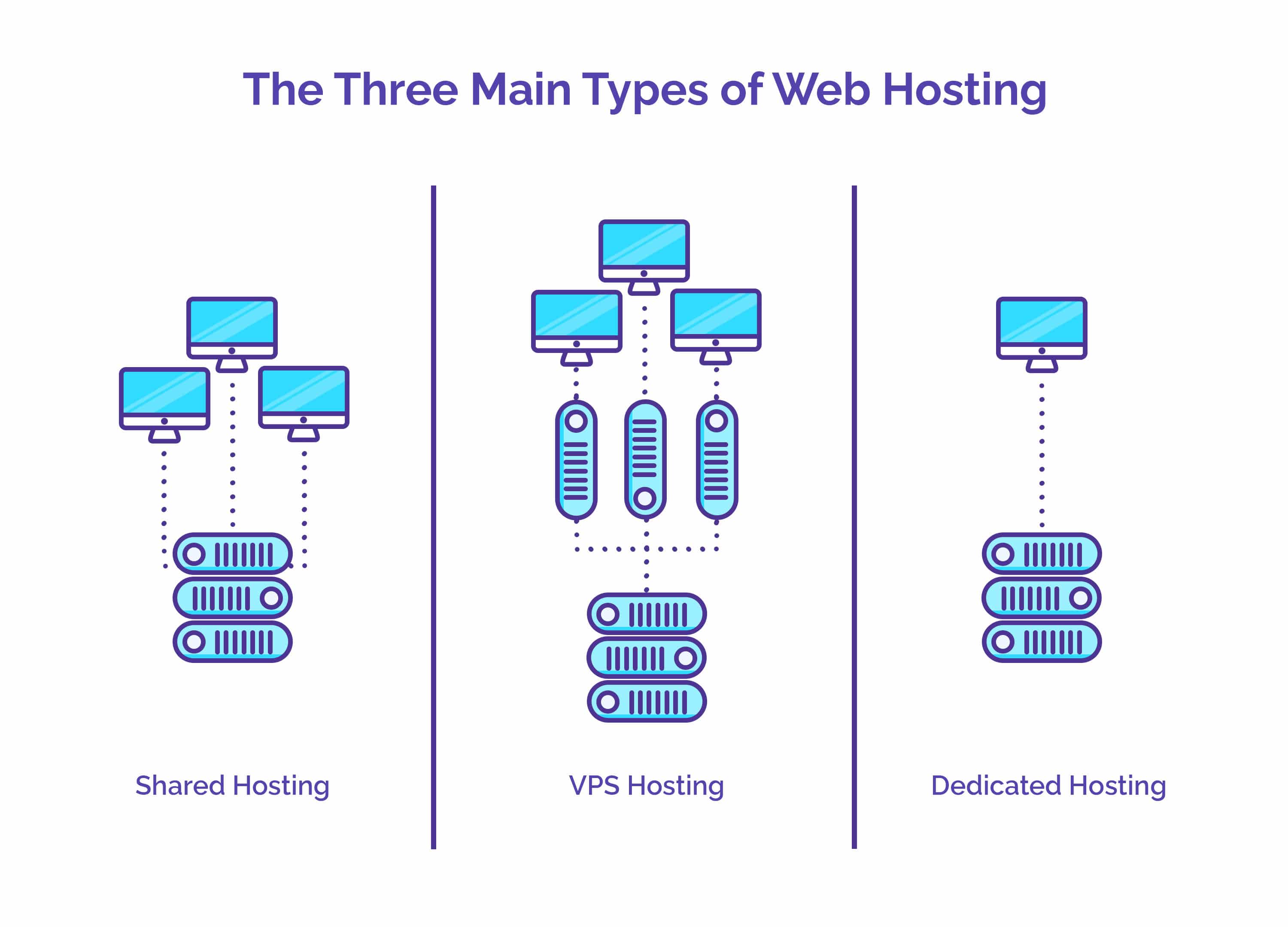
Budget is very important. VPS prices vary. Set a budget you can afford. Shared VPS is cheaper but may be slower. Dedicated VPS costs more but is faster. Choose based on your needs and budget. Save money without losing quality.
Check the technical specs of the VPS. Look at CPU, RAM, and storage. More RAM helps sites run faster. More storage allows for bigger sites. Ensure the VPS supports your software. Linux and Windows options are available. Choose what you understand best.
Types Of Vps Hosting
Managed VPS is easy for beginners. Experts handle setup and issues. You get support. Unmanaged VPS gives more control. You handle everything yourself. It suits tech-savvy users. Choose based on your skills and needs.
Linux VPS is popular. It’s often cheaper. Many prefer its security. Windows VPS is user-friendly. It supports Windows apps. Pick Linux for control and savings. Choose Windows for ease and app support.
SSD storage is fast. Websites load quickly. It’s reliable. HDD storage is cheaper. It offers more space. SSD suits speed lovers. HDD fits those needing storage. Consider your speed and space needs before deciding.
Scalability And Flexibility
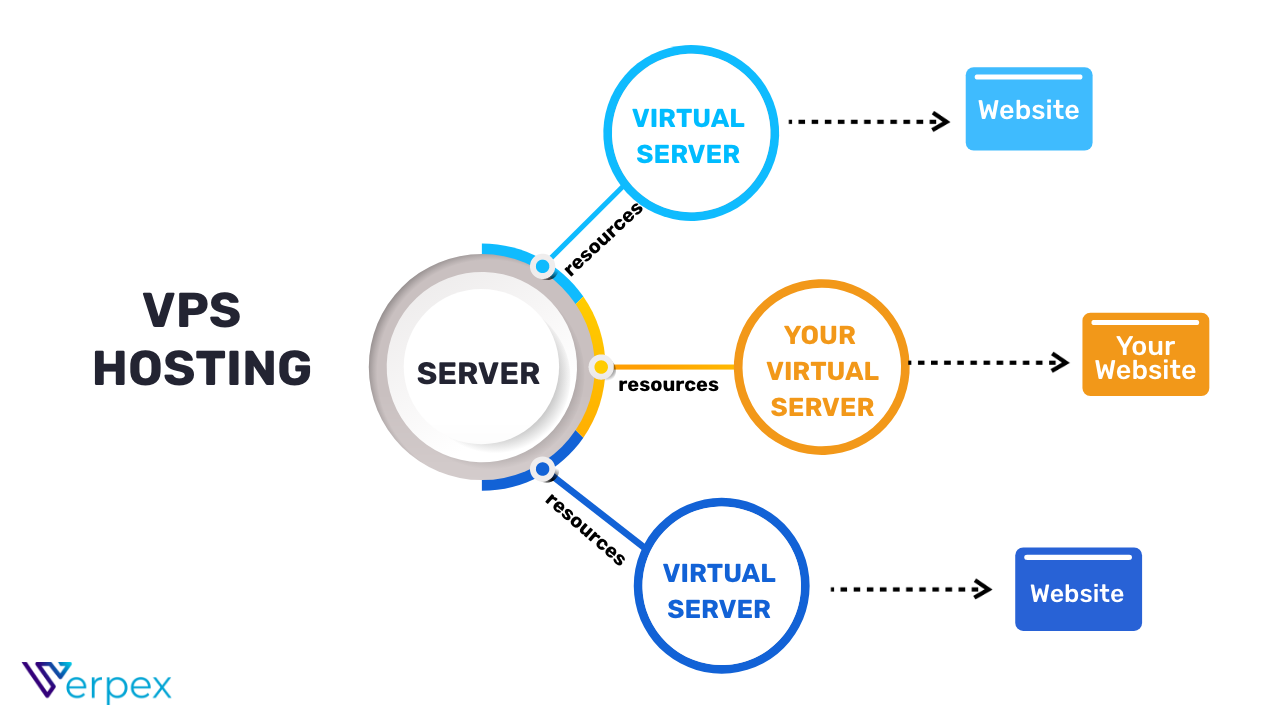
Vertical scaling means adding more power to your server. More CPU or more RAM can help. It makes your server strong. You get better performance. It’s perfect for growing websites. But it can be costly. So, plan wisely.
Horizontal scaling means adding more servers. It helps balance the load. Your site runs smoothly. Traffic is shared among servers. This keeps the site fast. It’s great for big sites. But managing many servers can be tricky.
Custom configurations allow you to set up your server. You can choose software and settings. This makes your server unique. You get what you need. It’s like building your own computer. But it takes time to set up. Choose what suits best.
Credit: verpex.com
Performance And Reliability
A VPS with a strong CPU is crucial for hosting. RAM helps manage tasks smoothly. More RAM means better performance. Choose a VPS with at least 2 GB RAM for simple sites. For bigger sites, 4 GB RAM or more is better. A good CPU ensures fast processing. Look for multi-core processors. This helps handle more users at once.
Network speed is vital for quick web access. A VPS should have a fast connection. This helps load pages quickly. Check for bandwidth limits. Unlimited or high limits are ideal. A fast network ensures users have a smooth experience. Speed affects user satisfaction.
Uptime is the time your site stays online. A good VPS offers high uptime guarantees. Look for at least 99.9% uptime. This means less downtime and more reliability. High uptime is crucial for businesses. It helps keep your site running without issues.
Security Features
Firewalls are like guards. They keep bad guys out. DDoS attacks can slow down websites. Protection from these attacks is important. Some VPS services offer strong firewalls. They block harmful traffic. They also offer DDoS protection. This keeps your website safe.
Regular backups save your data. They are important if something goes wrong. Many VPS services offer daily backups. They store copies of your files. Backups help you recover lost data. They make sure your website is always up. Without backups, data loss can be bad.
SSL certificates keep data safe. They encrypt information. This makes it hard to steal. When a site has SSL, a lock appears in the browser. It shows the site is secure. SSL certificates are vital for trust. They protect user information. Websites need them to be safe.
Support And Customer Service
Support teams are there all day and night. They help you anytime. You can ask questions and get answers. This is very helpful if you have a problem. It makes things easy and less stressful.
The team knows a lot about computers. They can fix many issues. They understand the technical stuff. This helps to solve problems fast. You do not have to worry about complicated things.
Support answers you very quickly. This saves you a lot of time. Fast help means your website works well. Waiting long is not fun. Quick responses keep things running smoothly.
Cost Analysis
Some VPS plans come with setup fees. These fees are paid once. Basic plans might be cheaper. Advanced plans cost more. Features affect the price. Check what is included before paying.
Monthly payments are common. These fees keep your VPS running. Cheap plans may miss features. Expensive plans offer more. Choose what fits your needs best.
Some providers have extra fees. Read the terms carefully. Backup and security can add costs. Support fees might be extra too. Always check for hidden charges before buying.
Credit: www.yourlasthost.com
Making The Final Decision
Choosing a VPS provider is important. Compare features and pricing. Look for uptime guarantees. Check customer support options. Some providers offer better performance. Others focus on security. Find the balance that suits your needs. Make a list of pros and cons. This will help in making a choice.
Reviews give insight from real users. They share experiences with the service. Good reviews can help make a choice. Look for patterns in feedback. If many mention slow service, take note. Positive reviews often highlight strengths. Negative reviews reveal potential issues. Always consider the source of reviews.
Some VPS providers offer trial periods. This is a great way to test the service. It helps you understand what you are getting. During the trial, check speed and support. Evaluate the control panel and features. If not satisfied, you can switch. Trials reduce the risk of a bad choice.
Credit: www.hostingseekers.com
Frequently Asked Questions
Can I Host A Website On A Vps?
Yes, you can host a website on a VPS. It offers more control, flexibility, and resources than shared hosting. A VPS allows you to install custom software and configure server settings. It’s suitable for growing websites needing better performance and security.
What Is The Best Vps Hosting Provider?
DigitalOcean is highly rated for its reliable VPS hosting. It offers scalability and robust performance. Users appreciate its user-friendly interface and excellent customer support. Other top contenders include Vultr and Linode, known for competitive pricing and reliable service. Evaluate your specific needs before choosing the best provider.
How Do I Choose A Vps Host?
Choose a VPS host by evaluating uptime, customer support, pricing, scalability, and security features. Prioritize hosts with strong reputations and positive reviews. Ensure the provider offers a user-friendly control panel and necessary resources. Compare different hosts to find the best fit for your specific needs.
What Are The Different Types Of Vps?
There are three main types of VPS: unmanaged, managed, and cloud VPS. Unmanaged VPS requires technical skills. Managed VPS offers provider support. Cloud VPS provides scalable resources through a cloud platform.
Conclusion
Choosing the right VPS is important for hosting your website. Consider your needs and budget. Opt for a VPS with good performance and security features. Look for reliable customer support. Scalability is key as your website grows. Compare different providers.
Check reviews and pricing. A well-chosen VPS can enhance your site’s performance. It ensures a smooth experience for your visitors. Make an informed decision to support your website’s success. With the right VPS, you can achieve better uptime and faster load times.
Your website deserves the best hosting solution.


