
Have you ever wondered what type of solution salad dressing really is? When you pour that tangy mixture of oil, vinegar, and herbs over your greens, you might notice it sometimes separates into layers.
But why does that happen? Is salad dressing a true solution, or something else entirely? Understanding the science behind your favorite dressing not only satisfies curiosity but can also help you make better choices in the kitchen. You’ll discover what kind of mixture salad dressing is, why it behaves the way it does, and how you can keep it perfectly blended every time.
Keep reading to unlock the secret behind that delicious pour!
Credit: www.gauthmath.com
Types Of Mixtures In Salad Dressing
Salad dressing is a common kitchen staple with different types of mixtures. Understanding these mixtures helps explain why some dressings separate while others stay blended. Salad dressings can be heterogeneous, homogeneous, suspensions, or colloids. Each type has unique characteristics affecting texture and appearance.
Heterogeneous Mixtures
Heterogeneous mixtures have visibly different parts. In salad dressings, oil and vinegar often separate into layers. You can see droplets of oil floating on vinegar. Herbs and spices may settle at the bottom. This mixture is not uniform and changes over time. Classic vinaigrette is a good example of this type.
Homogeneous Mixtures
Homogeneous mixtures look the same throughout. Ingredients blend evenly and do not separate. Salad dressings made with emulsifiers, like mustard or egg yolk, stay smooth. They form a single layer without visible droplets. These dressings have a consistent taste and texture in every bite.
Suspensions And Colloids
Suspensions have larger particles that settle over time. Some salad dressings contain solid herbs or spices that sink to the bottom. Colloids have smaller particles that stay spread out but are too small to see. Creamy dressings like ranch are colloids. They are stable but can thicken or separate after long storage.
Oil And Vinegar Interaction
Salad dressing often combines oil and vinegar, two liquids with very different properties. Their interaction is key to understanding why salad dressing behaves the way it does. Oil and vinegar do not mix naturally. This creates interesting effects in your salad bowl.
Immiscibility Of Liquids
Oil and vinegar are immiscible liquids. This means they do not dissolve in each other. Oil is non-polar, while vinegar is mostly water and polar. Because of this, they repel each other. Instead of mixing, they form separate droplets.
This property makes plain oil and vinegar dressings unstable. Without help, the two liquids separate quickly. The oil floats on top of the vinegar since it is less dense. This immiscibility is why you often see two layers in simple dressings.
Layer Separation
When oil and vinegar are combined, they create two distinct layers. The denser vinegar settles at the bottom. The lighter oil rises to the top. This process is called layer separation.
Shaking or whisking the dressing temporarily mixes the layers. Tiny oil droplets disperse throughout the vinegar. But over time, these droplets join together and separate again. This separation is natural without an emulsifier.
Understanding oil and vinegar interaction helps explain salad dressing types. It shows why some dressings are cloudy and separate, while others stay smooth and mixed.
Role Of Emulsifiers
Emulsifiers play a key role in salad dressing by blending oil and vinegar. These two liquids usually separate because they do not mix well. Emulsifiers help keep them combined, creating a smooth, consistent texture. This mixing forms an emulsion, a special type of mixture where tiny droplets of one liquid spread evenly in another.
Without emulsifiers, salad dressing separates quickly, leaving an oily layer on top. Emulsifiers coat the droplets and stop them from joining back together. This keeps the dressing fresh and tasty for longer.
Egg Proteins As Emulsifiers
Egg proteins are natural emulsifiers often used in salad dressings. They contain molecules that attach to both oil and water. This helps bind the two liquids into a stable mixture. Eggs make dressings creamy and smooth. They also improve the texture and mouthfeel. Using eggs means the dressing stays mixed without shaking.
Surfactants In Dressing
Surfactants are molecules that lower the surface tension between oil and water. They act like a bridge, holding oil droplets in place. Many commercial dressings add surfactants to improve mixing. These substances help the ingredients blend well and stay stable. Surfactants make the dressing look uniform and prevent separation over time.
Impact On Stability
The presence of emulsifiers greatly impacts dressing stability. They prevent oil and vinegar from splitting into layers. A stable dressing has a longer shelf life and better taste. Emulsifiers stop droplets from merging and sinking. This keeps the flavor and texture consistent. Stability also means the dressing looks appealing on salads.
Emulsions Vs Suspensions
Salad dressings can be tricky to classify because they often contain more than one ingredient mixed together. Two common types of mixtures in salad dressings are emulsions and suspensions. Understanding these helps explain why some dressings look smooth and creamy, while others separate into layers.
Emulsions and suspensions differ mainly in how the ingredients are mixed and how stable the mixture stays over time.
Particle Size Differences
In emulsions, tiny droplets of one liquid spread evenly in another liquid. These droplets are very small, often less than one micron in size. Suspensions have larger particles that you can sometimes see with your eyes or a microscope. These particles do not dissolve but float or settle in the liquid.
Visual And Physical Properties
Emulsions look smooth and uniform. They often appear creamy or milky. Suspensions look cloudy or grainy because of the bigger particles. You can usually see bits of herbs or spices floating or sinking in the liquid.
Separation Over Time
Emulsions stay mixed for a long time without separating. Sometimes they need shaking before use, but they quickly come back together. Suspensions separate quickly; the particles sink or float, forming layers. You must stir or shake suspensions to mix them again.
Science Behind Dressing Preparation
Salad dressing is more than just a tasty topping. Its preparation involves interesting scientific principles. Understanding how the ingredients combine helps explain its texture and stability. This section explores the science behind making salad dressing.
Blending Techniques
Blending mixes oil and vinegar, two liquids that usually separate. Vigorous stirring or using a blender breaks oil into tiny droplets. These droplets spread evenly through the vinegar. This creates an emulsion, a special type of mixture. Some dressings use egg yolk as an emulsifier. It helps keep the oil and vinegar combined longer. Proper blending results in a smooth and creamy dressing.
Refrigeration Effects
Cold temperatures slow down the movement of molecules in dressing. This helps keep the emulsion stable. Refrigeration also prevents bacteria growth, keeping the dressing fresh. Some ingredients, like eggs, need refrigeration to stay safe. However, chilling can cause oil to thicken or solidify. Letting the dressing sit at room temperature before use can restore its texture.
Shelf Life Considerations
The shelf life depends on the dressing’s ingredients and preparation. Dressings with eggs or fresh herbs spoil faster. Acidic ingredients like vinegar help preserve the dressing longer. Proper storage in sealed containers extends freshness. Homemade dressings usually last shorter than store-bought versions. Observing smell and appearance helps decide if dressing is still good.
Common Salad Dressing Types
Salad dressings come in various types, each with unique textures and flavors. They blend different ingredients like oils, vinegars, herbs, and spices. Some dressings mix easily, while others need shaking or whisking to combine. Understanding common salad dressing types helps you choose the best one for your salad.
Vinaigrettes
Vinaigrettes are simple mixtures of oil and vinegar. They often include salt, pepper, and sometimes mustard. The oil and vinegar do not fully mix, creating a suspension. Shaking the dressing before use helps blend the flavors. Vinaigrettes are light and tangy, perfect for fresh greens.
Creamy Dressings
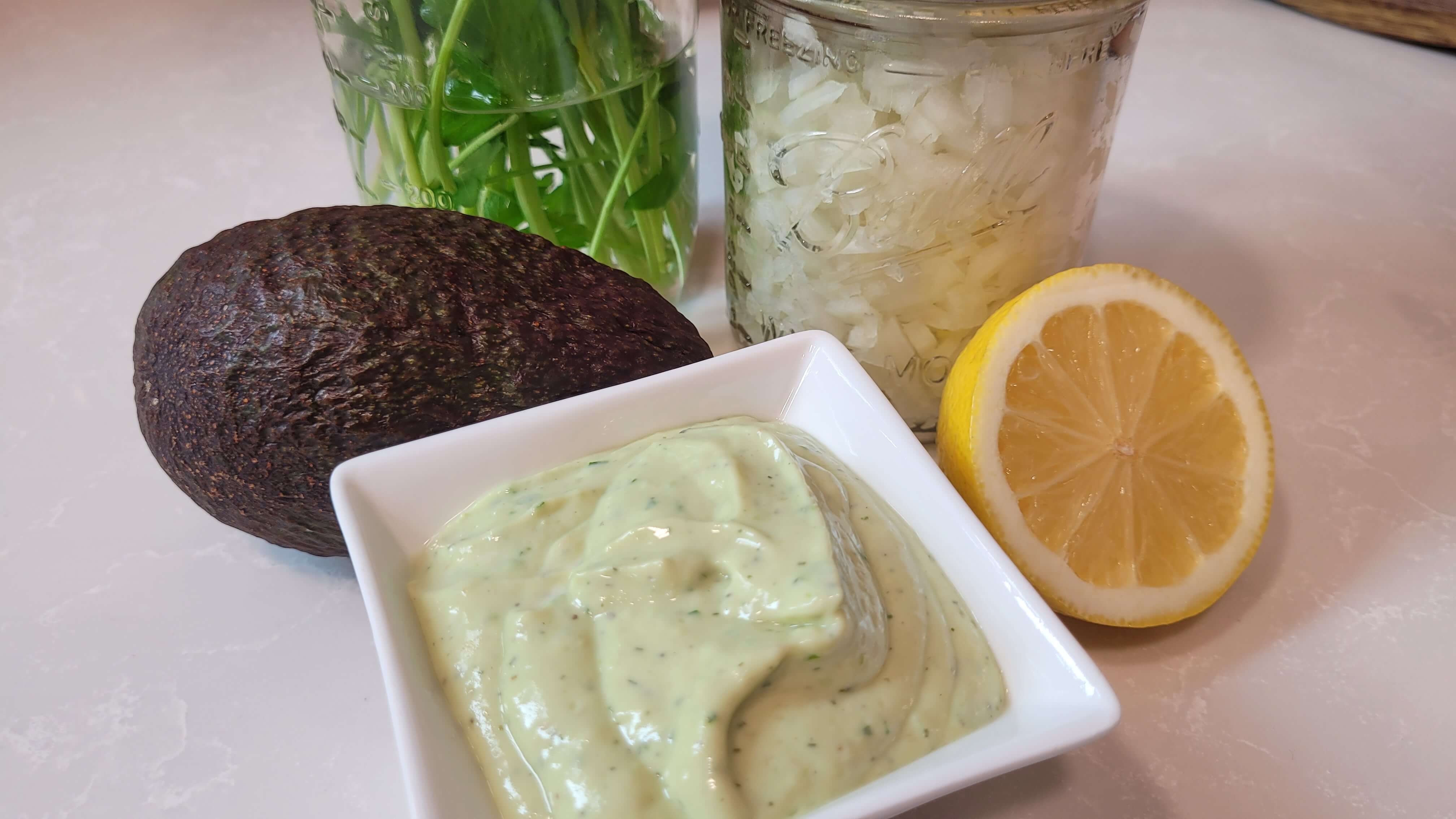
Creamy dressings use ingredients like mayonnaise, yogurt, or sour cream. These ingredients help blend oil and vinegar into a smooth mixture called an emulsion. Creamy dressings stay mixed longer and have a rich texture. They add a thick, flavorful touch to salads.
Herb And Spice Infusions
Herb and spice infusions add flavor to both vinaigrettes and creamy dressings. Fresh or dried herbs, garlic, and spices are mixed into the base. These infusions give salads a burst of taste and aroma. They enhance the dressing without changing its basic texture.
Experiments With Emulsifiers
Salad dressing is a classic example of a mixture that blends different liquids. It often contains oil and vinegar, which do not mix naturally. Emulsifiers help these liquids stay combined, creating a smooth texture. Experiments with emulsifiers reveal how they work to keep salad dressing stable and appealing.
Home Science Labs
Try simple experiments at home to see how emulsifiers affect salad dressing. Use oil, vinegar, and an egg yolk or mustard as emulsifiers. Blend these ingredients and watch how they mix into a creamy dressing. Without emulsifiers, oil and vinegar quickly separate into layers.
These home labs show how molecules in emulsifiers surround oil droplets. This keeps the droplets spread evenly throughout the vinegar. The result is a stable mixture that does not separate easily.
Testing Emulsifier Effectiveness
Test different emulsifiers by mixing small batches of salad dressing. Compare how long each batch stays combined. Some emulsifiers work better and keep the dressing mixed for hours or days. Others lose their power, causing the dressing to split.
Record your results and note which emulsifiers make the best salad dressing. This helps understand the science behind what keeps salad dressing fresh and tasty. These tests highlight the role of emulsifiers in creating a smooth, well-mixed solution.
Credit: thecrosslegacy.com

Credit: www.kathysvegankitchen.com
Frequently Asked Questions
What Type Of Mixture Is Salad Dressing?
Salad dressing is a heterogeneous mixture called an emulsion. It combines oil and vinegar, which naturally separate over time. Emulsifiers help keep the mixture stable and uniform for a while before separating again.
Is A Salad Dressing A Solution?
Salad dressing is not a true solution. It is usually a suspension or an emulsion, where oil and vinegar separate over time. Emulsifiers can keep it mixed, but the particles remain larger than in a solution. Thus, salad dressing is a heterogeneous mixture, not a homogeneous solution.
What Type Of Liquid Is Salad Dressing?
Salad dressing is an emulsion, a mixture of two immiscible liquids like oil and vinegar. It often acts as a suspension or colloid depending on ingredients and mixing. Emulsifiers help keep it stable and prevent separation.
Is Salad Dressing A Compound Or Mixture?
Salad dressing is a mixture, not a compound. It combines different substances like oil and vinegar that do not chemically bond. It often forms a heterogeneous mixture or an emulsion, where components remain physically distinct and can separate over time.
Conclusion
Salad dressing is mostly a mixture, not a true solution. Oil and vinegar separate because they do not mix well. When blended with an emulsifier like egg, it forms a stable mixture called an emulsion. This emulsion looks uniform but is not a solution since the oil droplets stay suspended.
Understanding these differences helps explain why dressings separate or stay mixed. Next time you shake your bottle, you’ll know the science behind the mix. Simple and clear!


