Are you wondering if your business really needs CRM software? Whether you run a small shop or a large company, choosing the right tools can make or break your success.
CRM software isn’t just for big corporations—it can help you organize your contacts, boost sales, and improve customer service no matter your industry. You’ll discover exactly what types of businesses use CRM software and why it might be the game-changer your business has been missing.
Keep reading to find out how CRM can work for you.
Businesses Benefiting From Crm
CRM software helps businesses manage customer information and improve relationships. Many types of businesses use CRM to stay organized and grow. This software supports sales, marketing, and customer service teams. It helps businesses track leads, follow up with clients, and provide better service.
Small And Medium Enterprises
Small and medium enterprises (SMEs) use CRM to manage contacts and sales. It helps them keep track of customers without a big team. CRM makes it easier to send emails and schedule calls. It saves time and helps grow the business steadily.
Large Corporations
Large corporations handle many customers and complex processes. CRM software organizes huge amounts of data efficiently. It allows different departments to share customer information quickly. This improves teamwork and delivers consistent service across many locations.
Startups And Entrepreneurs
Startups need to build strong customer relationships fast. CRM helps track early leads and potential clients easily. It supports marketing efforts and helps entrepreneurs focus on growth. CRM provides tools to manage sales pipelines clearly and simply.
Nonprofit Organizations
Nonprofits use CRM to manage donors and volunteers. It tracks donations and keeps communication personal. CRM helps plan fundraising campaigns and events smoothly. It ensures every supporter feels valued and informed.
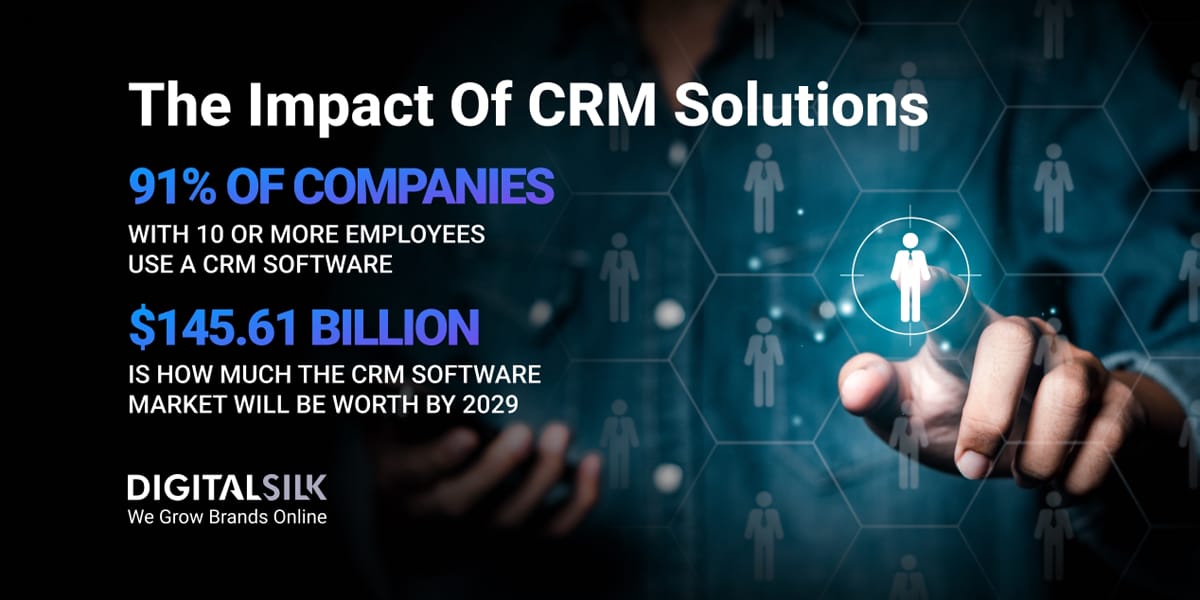
Credit: www.digitalsilk.com
Industries Leveraging Crm
CRM software helps businesses keep track of customers and sales. Many industries use CRM to improve service and grow their business. Each industry uses CRM in different ways to meet its needs.
Retail And E-commerce
Retail and e-commerce companies use CRM to manage customer data. They track buying habits and preferences. This helps personalize marketing and improve customer service. CRM also helps with inventory and sales tracking.
Healthcare And Pharmaceuticals
Healthcare providers use CRM to manage patient information securely. They schedule appointments and follow up with patients easily. Pharmaceutical companies track doctor and hospital interactions. CRM improves communication and builds trust.
Financial Services
Banks and insurance companies use CRM to manage client accounts. They track transactions and offer personalized advice. CRM helps with compliance and risk management. It also improves customer support and loyalty.
Real Estate
Real estate agents use CRM to track leads and properties. They schedule showings and follow up with buyers quickly. CRM helps manage contracts and close deals faster. It keeps customer information organized and accessible.
Hospitality And Travel
Hotels and travel agencies use CRM to manage bookings and customer preferences. They offer personalized promotions and services. CRM helps improve guest experience and increase repeat visits. It also manages feedback and reviews efficiently.
Key Crm Features For Different Businesses
Different businesses need different features from CRM software. The key features help improve work and keep customers happy. Some companies focus on sales, others on support or marketing. Understanding these features helps pick the right CRM tool.
Sales Automation
Sales teams use CRM to track leads and deals. Automation saves time by handling follow-ups and reminders. It helps organize contacts and sales stages. Sales automation increases efficiency and closes deals faster.
Customer Support
Support teams use CRM to manage customer issues. It keeps all communication in one place. Agents can see past interactions easily. This helps solve problems quickly and improves customer happiness.
Marketing Campaign Management
Marketers use CRM to run email and social media campaigns. It helps segment customers based on interests and behavior. Campaigns become more targeted and effective. CRM tracks responses and adjusts strategies.
Analytics And Reporting
CRM provides data on sales, support, and marketing. Reports show trends and team performance. Businesses use this data to make smart decisions. Analytics help find areas to improve and grow.
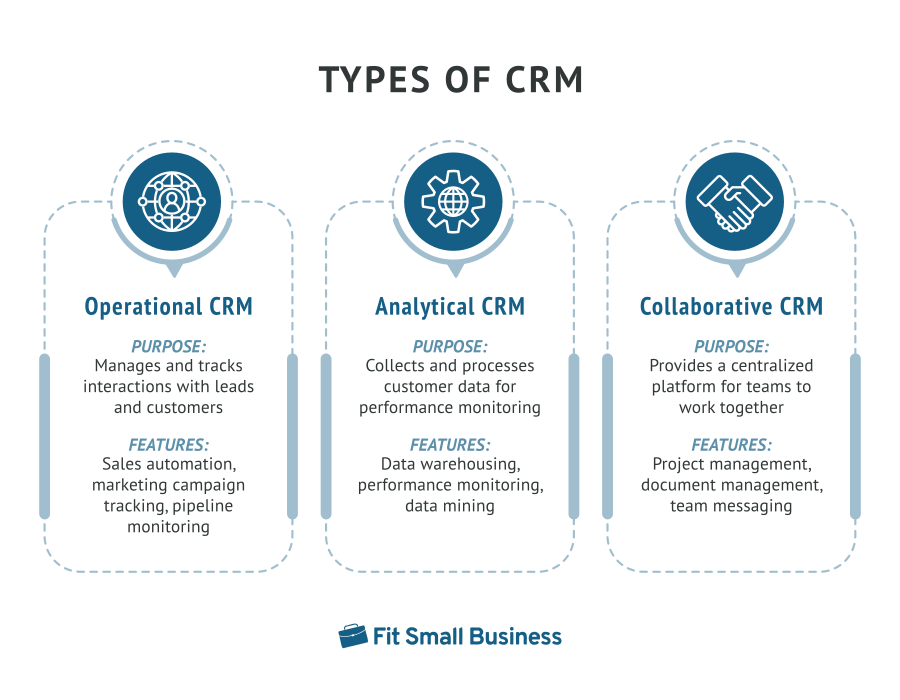
Credit: fitsmallbusiness.com
How Crm Drives Growth
CRM software helps businesses grow by improving how they manage customers and sales. It organizes customer data and simplifies communication. This leads to stronger relationships and better business results.
Improved Customer Relationships
CRM stores all customer information in one place. This helps businesses understand their needs better. Quick responses to questions and problems build trust. Happy customers return and tell others. Strong relationships lead to steady growth.
Enhanced Sales Efficiency
CRM tracks every step of the sales process. It reminds sales teams about follow-ups and important tasks. This reduces mistakes and missed chances. Salespeople spend more time selling and less on paperwork. Efficiency means more deals closed faster.
Data-driven Decision Making
CRM collects data about customers and sales trends. Business owners can see what works and what doesn’t. They make smarter decisions based on facts, not guesses. This helps improve products and services. Data guides growth in the right direction.
Boosting Efficiency With Crm
CRM software helps businesses work faster and smarter. It reduces repetitive tasks and keeps teams connected. Many companies use CRM to improve how they manage customers and internal processes. The software centralizes data, making it easier to find and use important information. This section explains how CRM boosts efficiency in three key areas.
Workflow Automation
CRM automates routine tasks like sending emails and updating records. This saves time and reduces errors. Employees focus on more important work instead of manual jobs. Automation keeps workflows smooth and consistent across the company. It helps teams meet deadlines and deliver better service.
Collaboration And Communication
CRM tools improve teamwork by sharing customer information in real time. Everyone sees the same data, which avoids confusion. Teams communicate easily through built-in messaging and notes. This keeps everyone on the same page. Collaboration improves customer support and speeds up problem solving.
Task Management
CRM helps organize daily tasks and reminders. Users can assign tasks, set due dates, and track progress. This keeps work organized and prevents missed deadlines. Task management in CRM ensures priorities are clear and projects move forward. Teams stay productive and focused on goals.
Choosing The Right Crm For Your Business
Choosing the right CRM for your business is a key step toward better customer management. A good CRM helps organize contacts, track sales, and improve communication. Picking the wrong one can waste time and money. Focus on what suits your business size and goals.
Assessing Business Needs
Start by listing your business needs. What tasks should the CRM handle? Sales tracking, customer support, or marketing? Consider the number of users and data volume. Clear needs help find a CRM that fits well.
Scalability And Customization
Choose a CRM that grows with your business. It should allow adding users and features easily. Customization lets you tailor fields and reports to your work. This keeps the system useful as your business changes.
Integration Capabilities
Check if the CRM works with other tools you use. Email, accounting, or e-commerce software should connect smoothly. Good integration saves time by avoiding double entry. It creates a smoother workflow across platforms.
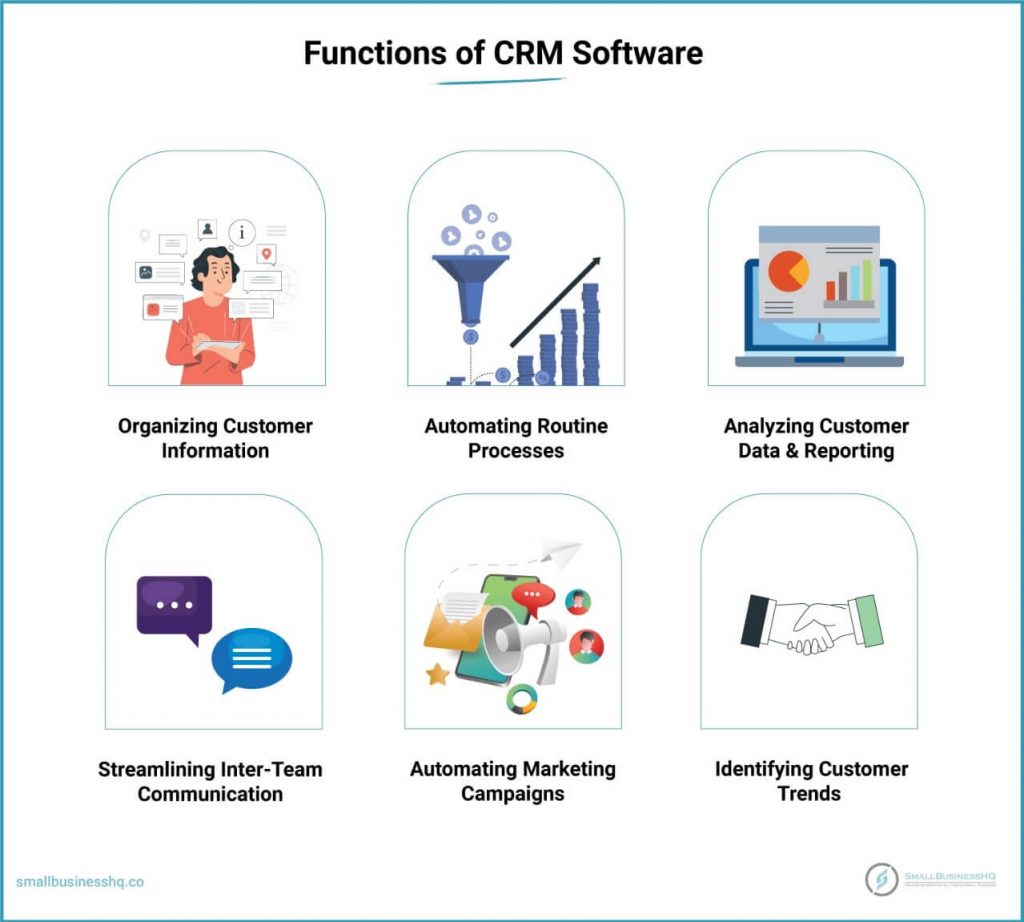
Credit: smallbusinesshq.co
Frequently Asked Questions
What Types Of Businesses Benefit Most From Crm Software?
CRM software benefits small to large businesses across industries like retail, finance, real estate, and healthcare. It helps manage customer data, improve sales, and enhance customer service efficiently.
How Do Startups Use Crm Software Effectively?
Startups use CRM to organize leads, track customer interactions, and automate marketing. It supports growth by streamlining sales processes and improving customer relationships early on.
Can Service-based Businesses Improve With Crm Software?
Yes, service-based businesses use CRM to schedule appointments, manage client communication, and personalize services. It boosts customer satisfaction and retention by centralizing information.
Is Crm Software Suitable For E-commerce Businesses?
Absolutely, e-commerce businesses use CRM to track customer behavior, manage orders, and tailor marketing campaigns. This leads to better customer engagement and increased sales.
Conclusion
CRM software helps many types of businesses manage customers better. Small shops, big companies, and service providers all benefit. It keeps customer data organized and improves communication. Sales teams find leads faster and close deals easier. Support teams solve problems quickly and track feedback.
Using CRM can save time and reduce mistakes. Choosing the right CRM depends on business needs and size. Every business that values customer relationships can gain from CRM tools. Simple, clear, and efficient.