

Choosing the right type of business to register for your software company can feel overwhelming. You want to make sure your decision supports your growth, protects your ideas, and keeps your taxes in check.
But with so many options out there, how do you pick the one that fits your goals best? You’ll discover the key business structures you should consider. By the end, you’ll have a clear path forward, making it easier to launch your software company with confidence.
Keep reading to find out which choice suits your vision and sets you up for success.
Choosing A Business Structure
Choosing the right business structure is a key step in starting a software company. This choice affects taxes, liability, and management. It shapes how your business grows and operates. Understanding different types helps you pick what fits best.
Sole Proprietorship Benefits And Drawbacks
A sole proprietorship is simple to start and run. You have full control and receive all profits. Tax filing is easy because business income counts as personal income. But, you have unlimited personal liability. Your personal assets can be at risk if the business owes money or faces lawsuits.
Partnership Options For Software Firms
A partnership allows two or more people to share ownership. It is easy to form and brings together different skills and resources. Partners share profits and losses based on their agreement. Personal liability usually extends to all partners, which can be risky. Clear agreements help avoid conflicts.
Advantages Of Limited Liability Company (llc)
An LLC offers liability protection like a corporation but with simpler rules. Owners, called members, are not personally responsible for business debts. Profits pass through to members’ personal taxes, avoiding double taxation. This structure is flexible and suits small to medium software companies well.
Incorporating As A Corporation
A corporation is a separate legal entity from its owners. It limits personal liability and allows easy transfer of ownership. Corporations can raise funds by selling stock. They face more rules and higher costs to maintain. Double taxation applies, but S corporation status can reduce this burden.
Comparing Business Structures
Sole proprietorships are easy but risky for personal assets. Partnerships share risks and responsibilities between partners. LLCs balance protection and tax simplicity well. Corporations provide strong liability protection and growth potential. Consider your goals, risks, and tax needs before deciding.
Credit: bizplanr.ai
Legal Requirements For Registration
Registering a software company requires meeting several legal requirements. These rules protect your business and help it run smoothly. Understanding the legal steps is key to starting your company right. Each step ensures your business follows the law and avoids future problems.
Business Name Registration
Choose a unique name for your software company. This name must not belong to another business. Register the name with the local government or business office. This step protects your brand and lets customers find you easily. A registered name also helps in opening business accounts and contracts.
Obtaining Necessary Licenses
Software companies need specific licenses to operate legally. Check which licenses your state or country requires. These may include a general business license and special tech or software permits. Getting the right licenses avoids fines and legal issues. Renew these licenses on time to keep your business active.
Tax Identification Numbers
Apply for a Tax Identification Number (TIN) from tax authorities. This number tracks your business for tax purposes. Use it when filing taxes, hiring employees, and opening bank accounts. A TIN is essential for legal and financial activities. Without it, your business cannot pay taxes correctly.
Compliance And Regulatory Considerations
Software companies must follow data protection and privacy laws. These rules protect customer information and software security. Stay updated on laws like GDPR or CCPA if you work internationally. Also, follow intellectual property rules to protect your software. Non-compliance can lead to penalties and damage your reputation.
Tax Implications By Business Type
Choosing the right business type affects your tax duties significantly. Taxes shape how much money you keep and how you file returns. Each business type has unique tax rules that impact profits and losses. Understanding these differences helps in making better decisions for your software company.
Tax Benefits For Llcs
LLCs enjoy flexible tax options. They can choose to be taxed as a sole proprietor, partnership, or corporation. Profits and losses pass through to members, avoiding double taxation. This structure offers protection and tax simplicity. LLCs often save money on self-employment taxes compared to sole proprietors.
Corporate Tax Responsibilities
Corporations face stricter tax rules. They pay corporate income tax on profits. Shareholders also pay taxes on dividends, causing double taxation. Corporations must file detailed tax returns annually. They may qualify for more deductions and credits than other entities.
Self-employment Taxes For Sole Proprietors
Sole proprietors pay self-employment taxes on all business earnings. This covers Social Security and Medicare. They report income and expenses on personal tax returns. No separation exists between personal and business taxes. This can lead to higher overall tax payments.
Tax Planning Strategies
Effective tax planning lowers your tax burden legally. Track all expenses carefully for deductions. Consider retirement plans to reduce taxable income. Consult with tax professionals for tailored advice. Choosing the right business type early saves money over time.
Funding And Investment Considerations
Choosing the right business type affects your funding and investment options. It shapes how you attract money and work with investors. This section explores key points about funding for software companies. Understanding these can help you decide the best business structure.
Attracting Investors As A Corporation
Corporations are popular for software startups seeking investors. They can issue stocks, making it easy to share ownership. Investors like this clear structure and legal protections. Corporations often appear more trustworthy to venture capitalists and angel investors. This setup allows raising large amounts of capital quickly. It also helps separate personal and business finances clearly. Corporations must follow strict rules and report finances regularly. This transparency builds investor confidence and attracts more funding.
Funding Options For Llcs And Partnerships
LLCs and partnerships offer flexible funding choices. They do not issue stocks like corporations. Instead, they rely on member contributions or loans from banks. These structures suit smaller software companies or those with fewer founders. LLCs protect personal assets while allowing profit sharing. Partnerships depend on trust and clear agreements among partners. These types may face challenges attracting big investors. But they can work well with local investors or crowdfunding. Funding usually comes with fewer legal formalities compared to corporations.
Impact Of Business Structure On Fundraising
Your business structure directly affects fundraising methods. Corporations have an easier time raising venture capital. LLCs and partnerships rely more on personal funds or loans. Investors prefer clear ownership and exit strategies. Corporations offer this through stock sales and share transfers. LLCs require more negotiation for ownership changes. Fundraising speed and amount depend on your business type. Consider your growth goals when choosing your structure. This choice shapes your ability to raise funds successfully.
Liability And Risk Management
Liability and risk management are key parts of choosing the right business type for a software company. The way you set up your business affects how much personal risk you take. It also shapes how you handle problems like lawsuits or debts. Understanding these factors helps protect your personal assets and keeps your company safe from big financial hits.
Protecting Personal Assets
Some business types keep your personal assets separate from company debts. Limited Liability Companies (LLCs) and corporations offer this protection. They stop creditors from taking your home or savings if the business faces trouble. Sole proprietorships and partnerships do not offer this shield. Your personal belongings could be at risk in these cases.
Insurance Needs For Software Companies
Insurance covers many risks that software companies face. General liability insurance protects against claims of injury or property damage. Professional liability insurance covers errors or mistakes in your software. Cyber liability insurance helps with data breaches or hacks. The right insurance depends on your business type and operations.
Risk Factors By Business Type
Sole proprietorships have the highest personal risk. Partners share the risk but may also be responsible for each other’s debts. LLCs and corporations limit risk to the company’s assets only. Corporations often have more formal rules but offer the best protection. The choice depends on how much risk you want to take personally.
Scalability And Growth Potential
Scalability and growth potential are crucial when choosing a business type for a software company. The right structure supports your plans to grow. It helps manage more clients, projects, and employees smoothly. Planning for growth early can save time and money later.
Flexibility Of Different Business Structures
Some business types offer more flexibility than others. Sole proprietorships are simple but limit growth options. Partnerships allow shared responsibility but can complicate decisions. Corporations and LLCs provide better protection and easier access to funding. They can handle growth and changing needs better.
Evolving Your Business Type As You Grow
Starting small is common. Many software startups begin as sole proprietorships or partnerships. Changing your business type later is possible. Moving to an LLC or corporation can protect your personal assets. It also helps attract investors and hire more employees. Plan for this change before it becomes urgent.
Planning For Expansion
Expansion needs careful planning. Consider how your business structure affects taxes and legal requirements. Think about new markets and product lines. Choose a structure that supports easy addition of partners or shareholders. This choice helps avoid legal hurdles and keeps your business agile.
State-specific Registration Tips
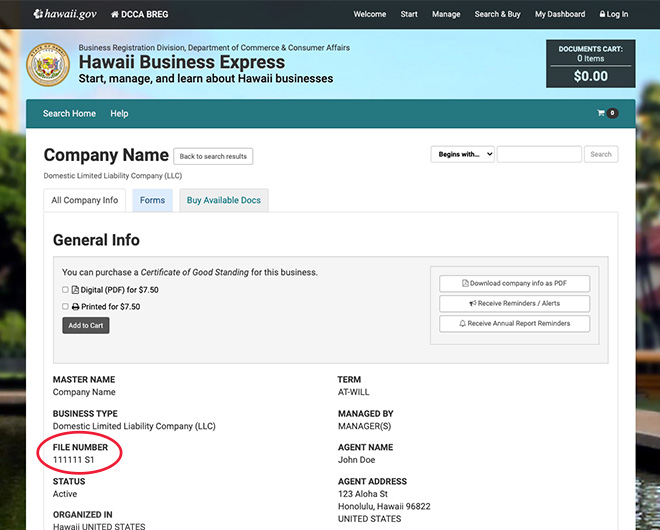
Registering a software company varies by state. Each state has unique rules and requirements. Knowing these differences helps you choose the right business type and location. This section covers key tips to guide your registration process based on state laws and resources.
Variations In State Laws
States differ in how they register businesses. Some states require more paperwork than others. Tax rules also change from state to state. Licensing needs may vary for software companies. Understanding these laws can save you time and money.
Choosing The Best State For Registration
Pick a state that fits your business goals. Consider tax rates, fees, and legal protections. Some states are friendly to startups and tech firms. Others have lower costs but fewer benefits. Compare states to find the best match for your software company.
Local Resources And Support
Many states offer help for new businesses. Look for local business centers and tech incubators. These places provide advice, training, and networking. Access to support can boost your company’s growth. Use these resources to get a strong start.
Credit: hbe.ehawaii.gov

Credit: www.shawnee.edu
Frequently Asked Questions
What Business Structure Suits A Software Company Best?
Choosing an LLC or private limited company benefits software businesses. They offer liability protection, tax advantages, and credibility. These structures support growth and investment opportunities effectively.
How To Register A Software Company Legally?
Register online with relevant government portals. Submit required documents like identity proof, company name, and business address. Choose the right business structure during registration.
Can I Start A Software Company As A Sole Proprietorship?
Yes, but sole proprietorship offers no liability protection. It suits freelancers but limits growth and funding potential. Consider other structures for long-term success.
What Are Tax Benefits For Software Companies?
Certain structures like LLPs and private limited companies enjoy tax deductions. Software companies may also benefit from government incentives and export-related exemptions.
Conclusion
Choosing the right business type helps your software company grow smoothly. Think about your goals, risks, and taxes before deciding. Sole proprietorships offer simplicity, while LLCs provide protection. Corporations suit larger teams and investors. Clear choices prevent future problems and save money.
Take time to research and ask experts if needed. A smart start builds a strong foundation for your company’s success. Keep your focus on what fits best for your software business.


