
Are you a business owner looking to optimize your expenses? Understanding where your money goes is crucial for running a successful business.
One area that often raises questions is web hosting. What type of business expense is web hosting, and how should you categorize it? This might seem like a small detail, but it can have a big impact on your financial planning and tax obligations.
We’ll break down everything you need to know about web hosting expenses. We’ll uncover why it’s more than just a technical necessity and how it fits into the bigger picture of your business finances. By the end, you’ll have a clear understanding of how to manage this cost effectively, ensuring your business stays on the path to success. So, let’s dive in and unravel the mystery behind web hosting as a business expense.
Business Expense Categories
Fixed costs do not change often. These expenses stay the same each month. Web hosting can be a fixed cost. The monthly fee does not change. Rent and salaries are also fixed costs. They help in planning the budget.
Variable costs change based on use. They go up or down each month. Web hosting is not usually a variable cost. Supplies and utilities are variable costs. Keeping track is important.
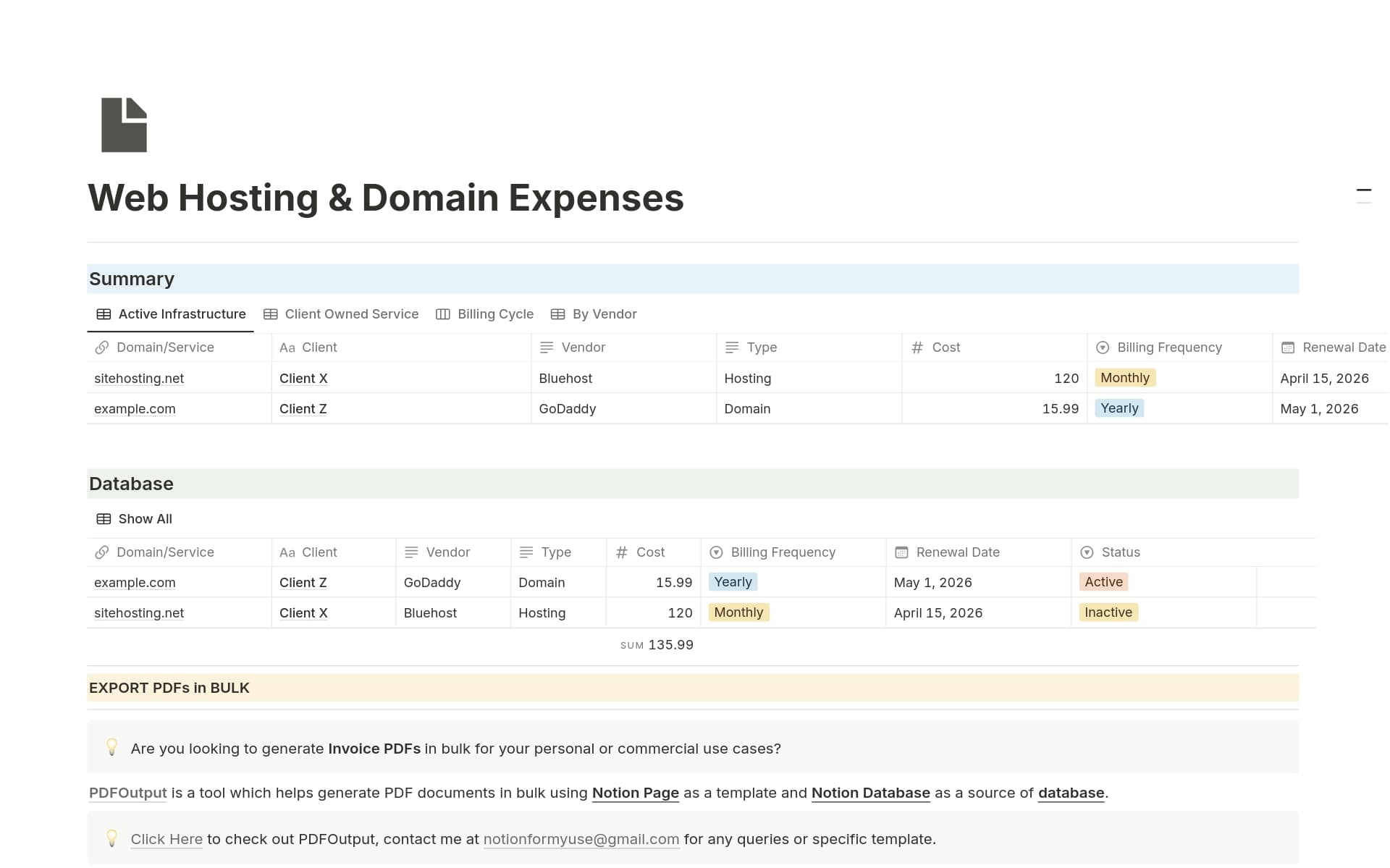
Operational costs keep the business running. Web hosting is an operational cost. It is essential for websites. Other operational costs include marketing and office supplies. These costs help the business function.
Credit: www.notion.com
Web Hosting Defined
Web hosting is like renting a space online. It stores your website files on a server. This makes your site visible on the internet. Think of it as a digital home for your website. Without hosting, nobody can see your site. It’s a crucial part of having an online presence. Businesses need it to reach customers. It helps your website run smoothly and quickly.
There are several types of web hosting. Each serves a different need. Here are the most common:
- Shared Hosting: Multiple sites share one server.
- VPS Hosting: A virtual server for more control.
- Dedicated Hosting: One server for one website only.
- Cloud Hosting: Uses many servers for flexibility.
Choosing the right type depends on your site’s needs. Shared hosting is cheap but can be slow. Dedicated hosting offers speed but costs more. Cloud hosting is great for growing sites.
Web Hosting As An Operational Expense
Web hosting keeps a website online and working. It is important for all businesses. Without web hosting, a website cannot be seen on the internet. Customers need websites to find information. They learn about products and services. A reliable web host helps businesses run smoothly. It also saves time and effort.
Web hosting costs need to be planned. Businesses must pay these costs regularly. Hosting expenses include server fees, security, and support. These costs vary from one provider to another. Smaller businesses might choose cheaper plans. Larger companies may need more robust hosting. Choosing the right plan affects the budget. Poor choices can lead to unexpected costs.

Credit: www.cyberdb.co
Tax Implications Of Web Hosting
Web hosting is a business expense. It is usually deductible for tax purposes. To deduct the cost, the hosting must be necessary for your business. It should help your business earn income. Personal use of web hosting is not deductible. Keep it separate from business use.
You must keep receipts and invoices for web hosting. Save emails or paper copies. Record the dates and amounts paid. Keep a log of business purposes for hosting. This helps in case of an audit. Good records make it easy to prove the expense.
Choosing The Right Web Hosting Plan
Web hosting is a necessary business expense, impacting website performance and security. Choosing the right plan ensures efficient online operations and customer satisfaction. Evaluate your needs to find a cost-effective solution that suits your budget and supports business growth.
Cost Considerations
Web hosting is a necessary business expense. It can affect your budget. Plans vary in price. Some are cheap, others costly. Shared hosting is often the cheapest. It shares resources with others. VPS hosting is pricier but offers more control. Dedicated hosting is the most expensive. It gives you full server access. Cloud hosting can be flexible in costs. You pay for what you use. Think about your budget. Choose a plan that fits your needs.
Evaluating Business Needs
Understanding your business needs is crucial. Small websites might need less space. Larger websites need more bandwidth. E-commerce sites need secure connections. Look for SSL certificates. High traffic sites need reliable uptime. Consider customer support options. 24/7 support might be necessary. Scalability is important. Can the plan grow with your business? Check the features offered. Compare plans carefully. Make sure they meet your requirements.

Credit: localcreative.co
Common Misconceptions
Many think web hosting is a capital expense. This is not true. Capital expenses are for long-term assets like buildings. Web hosting is more like a monthly bill. You pay for it just like rent or utilities.
Web Hosting Vs. Capital Expenses
Web hosting costs are ongoing. Capital expenses cover assets you own for years. Web hosting is a service. You pay for this service each month or year.
Long-term Financial Planning
It is important to plan your budget. Web hosting fees add up over time. Budgeting for web hosting helps avoid surprises. Keep track of these regular payments. This helps manage your business finances better.
Frequently Asked Questions
What Type Of Expense Is Web Hosting?
Web hosting is a business expense. It falls under operational costs for maintaining an online presence. Businesses can deduct web hosting fees as a necessary expense. This helps manage and run their websites effectively.
Is Website Hosting A Business Expense?
Yes, website hosting is a business expense. It qualifies as a deductible expense for tax purposes. Hosting supports online presence and operations, making it essential. Always keep receipts and records for accurate accounting. Consult a tax professional for specific advice regarding your business.
What Business Expense Category Is A Website?
A website typically falls under the “Advertising and Marketing” expense category. It helps in promoting your business and reaching new customers, making it a legitimate business expense. Properly categorizing website expenses ensures accurate financial reporting and tax deductions. Always consult a tax advisor for specific guidance.
What Type Of Expense Is Website Development?
Website development is a capital expense. It involves creating or upgrading your online presence. These costs can be amortized over time. Investing in a website can enhance your business visibility. Properly managed, it boosts brand reputation and customer engagement.
Conclusion
Web hosting is a critical business expense. It supports your online presence. Every business needs a reliable website. Hosting keeps your site active and accessible. Choose a hosting plan wisely. Consider your budget and needs. Good hosting boosts site performance.
It impacts user experience and search ranking. Proper hosting can enhance customer trust. Secure hosting protects your data. It’s a worthwhile investment for growth. Web hosting aligns with your business goals. Make it part of your business strategy. Prioritize it for success.


