
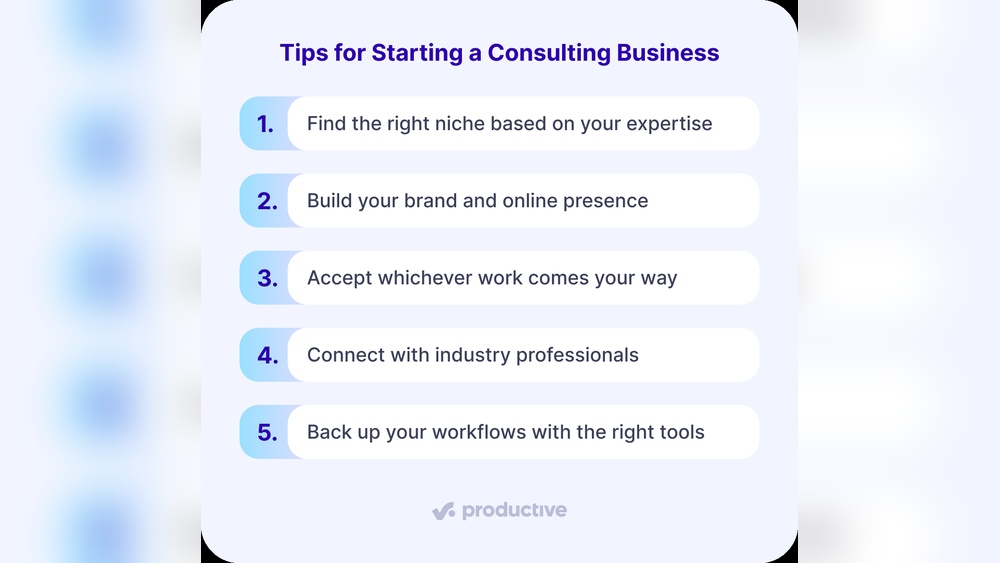
Thinking about starting a software consulting business? You’re about to step into a field full of opportunities, but also challenges.
Making the right choices early on can save you time, money, and stress. This guide will help you focus on the key things you need to consider before launching your business. By the end, you’ll feel more confident and ready to take the next step.
Keep reading to discover what really matters when starting your software consulting venture.
Market Research
Market research plays a key role in starting a software consulting business. It helps you understand your potential customers and the business environment. Knowing the market reduces risks and guides your decisions. This section explores three important parts of market research for software consulting.
Identifying Target Clients
Knowing who needs your services is crucial. Identify industries that rely on software solutions. Small businesses, startups, and large companies all have different needs. Pinpoint clients who face challenges you can solve. Understanding their problems helps tailor your services. Also, consider client size and budget for better targeting.
Analyzing Competitors
Study businesses offering similar consulting services. Note their strengths and weaknesses. Observe their pricing, marketing strategies, and customer reviews. Find gaps in their services you can fill. This helps you stand out and attract clients. Keep an eye on new entrants and trends in the competition.
Assessing Industry Trends
Stay updated on software and technology trends. Trends like cloud computing, AI, and cybersecurity shape client needs. Follow industry reports and news. Understand which trends have long-term potential. Align your services with these trends to stay relevant. This knowledge helps you adapt and grow your business.
Business Planning
Starting a software consulting business needs careful planning. This step shapes your path and helps avoid common mistakes. A solid business plan guides decisions and sets your business up for success.
Setting Clear Goals
Define what you want to achieve with your consulting business. Goals give your work direction. Set short-term goals like landing your first client. Also, plan long-term goals such as expanding your services. Clear goals keep you focused and motivated.
Choosing A Business Model
Decide how your business will operate and make money. Options include hourly rates, fixed project fees, or retainer agreements. Pick a model that fits your skills and market. The right model helps attract clients and ensures steady income.
Budgeting And Financial Forecasting
Create a budget to manage your expenses and income. Include costs for software, marketing, and office space. Forecast your earnings to understand cash flow. Planning your finances reduces surprises and keeps your business stable.
Legal And Regulatory Setup
Starting a software consulting business needs more than skills and ideas. Legal and regulatory setup is key. It helps protect your business and avoid problems. Understanding this setup saves time and money. It also builds trust with clients.
Registering Your Business
Registering your business is the first legal step. Choose a business name that is unique and clear. Register it with your local government or online portal. Decide your business structure: sole proprietorship, partnership, or corporation. Each has different rules and tax benefits. Get an Employer Identification Number (EIN) if needed. This number is for taxes and hiring employees.
Understanding Licensing Requirements
Some places require specific licenses for software consulting. Check local, state, and federal laws. Licensing rules differ by location and service type. Make sure to get all necessary licenses before starting. Operating without a license can cause fines or shutdowns. Keep licenses updated and renew them on time.
Drafting Contracts And Agreements
Contracts protect your business and set clear expectations. Draft agreements for clients and partners. Include payment terms, project scope, and deadlines. Add clauses for confidentiality and data security. Specify how to handle disputes or cancellations. Use simple language to avoid confusion. Review contracts regularly to match business changes.
Building A Skilled Team
Building a skilled team is key to a software consulting business. The right people bring knowledge and experience. They help solve problems fast and deliver quality work. A strong team builds trust with clients and grows your reputation.
Focus on hiring experts who fit your business needs. Consider outsourcing to fill skill gaps. Keep your team learning to stay ahead in technology and trends.
Hiring Experts
Hire team members with real experience in software consulting. Look for skills that match your projects. Choose people who work well with clients and teams. Check their past work and references carefully. Good experts reduce mistakes and improve project success.
Outsourcing Options
Outsourcing helps when you lack certain skills internally. Use trusted companies or freelancers for special tasks. This saves time and money on hiring full-time staff. Manage outsourced work closely to keep quality high. Clear communication is essential for success.
Continuous Training
Technology changes fast. Training keeps your team updated with new tools and methods. Offer regular workshops, courses, or online learning. Encourage sharing knowledge within the team. Continuous learning boosts skills and business growth.
Service Offering
Defining your service offering is a key step in starting a software consulting business. It shapes how clients see your company. Clear, focused services attract the right customers. It helps build trust and sets expectations.
Choose services that match your skills and market needs. Keep the list manageable to maintain quality. Offering too many services can confuse clients and stretch your resources.
Defining Core Services
Identify your main strengths and expertise. List the services you can deliver well. Examples include software development, system integration, or IT strategy advice. Focus on areas where you solve common client problems. This builds your reputation and helps clients understand what you offer quickly.
Customizing Solutions
Each client has unique needs. Tailor your services to fit their business goals and challenges. Avoid one-size-fits-all approaches. Custom solutions show you understand their problems deeply. It increases client satisfaction and long-term partnerships.
Pricing Strategies
Set prices based on the value you provide. Research competitors to find a fair range. Consider hourly rates, fixed project fees, or retainer models. Transparent pricing builds trust. Offer clear explanations of what clients get for their money.

Credit: www.aiuniv.edu
Marketing Strategies
Marketing strategies shape the success of a software consulting business. They help attract clients and build trust. A clear plan focuses efforts and resources. It also sets your business apart from competitors.
Effective marketing starts with understanding your audience. Knowing their needs guides your message. This section covers key marketing tactics to consider.
Creating A Brand Identity
Brand identity is the face of your business. It includes your logo, colors, and tone. Consistency in these elements builds recognition. A strong brand shows professionalism and reliability. It helps clients remember and choose you.
Leveraging Online Presence
Online presence is vital for reaching clients today. A professional website displays your services clearly. Search engine optimization (SEO) improves your site’s visibility. Use social media to share updates and engage followers. Regular content shows your expertise and builds trust.
Networking And Partnerships
Networking connects you with potential clients and peers. Attend industry events and local meetups. Building partnerships can lead to referrals and collaborations. Trust grows through face-to-face meetings and shared projects. Strong relationships often lead to steady business.
Technology And Tools
Choosing the right technology and tools is key for a software consulting business. Good tools make work faster and easier. They help keep projects on track and clients happy. Pick tools that fit your team’s skills and your clients’ needs. Stay updated with new software to keep your business competitive.
Selecting Development Platforms
Choose development platforms that match your expertise. Consider popular languages like JavaScript, Python, or Java. Use platforms that support easy updates and maintenance. Think about platforms your clients prefer or need. Cloud platforms like AWS or Azure offer good flexibility. Pick tools that speed up coding and reduce errors.
Project Management Software
Project management software keeps tasks organized and deadlines clear. Use tools like Trello, Asana, or Jira. These help track progress and assign work easily. Choose software with simple interfaces to avoid confusion. Good project management tools improve team communication. They also help spot problems early and fix them fast.
Client Communication Tools
Clear communication builds trust with clients. Use video calls, emails, and chat apps like Zoom or Slack. Choose tools that allow easy sharing of files and updates. Keep communication regular and professional. Use simple language to ensure clients understand. Good tools reduce misunderstandings and speed up decision making.

Credit: www.geneca.com
Client Management
Client management is a key part of any software consulting business. It shapes how clients see your work and your company. Good client management builds trust and leads to repeat business. It also helps avoid misunderstandings and delays.
Strong relationships make projects smoother. Clear expectations keep everyone on the same page. Handling feedback well shows professionalism and care.
Building Strong Relationships
Start by listening carefully to each client’s needs. Show respect and be honest in all talks. Keep communication clear and regular. Share updates and ask questions often. This helps clients feel valued and understood. Trust grows with every positive interaction.
Setting Expectations
Set clear goals and deadlines from the start. Explain your work process and what clients should expect. Be upfront about costs and possible challenges. Clear expectations reduce surprises and frustration. Both sides work better when roles and tasks are clear.
Handling Feedback And Revisions
Listen carefully to all client feedback. Keep an open mind and avoid defensiveness. Clarify points that seem unclear. Make revisions quickly and accurately. Show that you respect client opinions. This builds confidence in your service and skills.
Financial Management
Financial management is a key part of running a software consulting business. It helps keep the business stable and growing. Good financial habits reduce stress and allow better decision-making. Focus on clear records and timely actions.
Invoicing And Payments
Send invoices quickly after work is done. Use clear and simple language in invoices. Include payment terms and due dates. Offer easy payment options to clients. Follow up politely on late payments. Accurate invoicing helps maintain steady income.
Tracking Expenses
Keep all receipts and bills organized. Use software or spreadsheets to record expenses daily. Separate personal and business expenses clearly. Track costs like software, travel, and office supplies. Regular expense tracking prevents surprises and helps budgeting.
Managing Cash Flow
Know when money comes in and goes out. Plan for slow payment periods and emergencies. Keep a cash reserve for unexpected costs. Review cash flow weekly to avoid shortages. Good cash flow ensures smooth business operations.
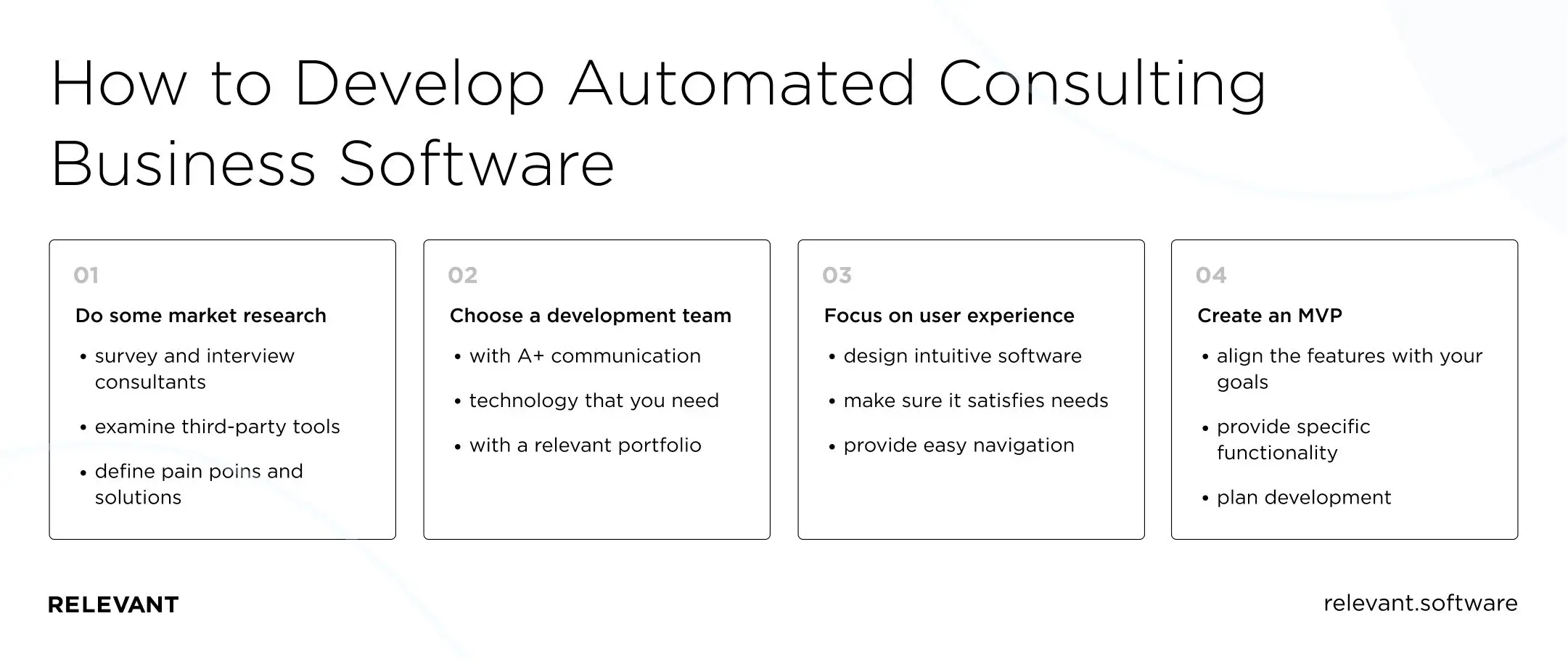
Credit: relevant.software
Scaling Your Business
Scaling your software consulting business is a key step for long-term success. Growth means reaching more clients, offering more services, and running your business more efficiently. It requires careful planning and smart decisions.
Focus on expanding your capabilities while keeping quality high. Balance growth with maintaining strong client relationships. This way, your business can grow steadily and stay reliable.
Expanding Service Offerings
Adding new services can attract more clients. Think about services related to your current skills. For example, if you offer software development, add testing or maintenance. This makes your business more valuable to clients.
Keep services simple at first. Test them with a few clients. Improve based on feedback before full launch. This lowers risks and improves success.
Entering New Markets
Explore new industries or locations. Research market needs and competition carefully. Choose markets where your skills fit well. Start small and grow gradually.
Localize your approach. Understand local culture and language. Adjust marketing and communication to connect better. This helps build trust with new clients.
Automating Processes
Use technology to save time and reduce errors. Automate tasks like invoicing, scheduling, and reporting. This frees up time for important work.
Choose simple tools that match your business size. Train your team to use automation well. Regularly review processes to find new automation chances.
Frequently Asked Questions
What Skills Are Essential For A Software Consulting Business?
Strong technical knowledge, problem-solving, communication, and project management skills are crucial. These help deliver effective solutions and build client trust.
How Do I Identify My Target Market In Software Consulting?
Research industries needing software solutions. Focus on businesses lacking in-house expertise or requiring specialized technology consulting.
What Legal Steps Are Needed To Start A Consulting Business?
Register your business, obtain necessary licenses, and draft contracts. Consult a legal expert to ensure compliance and protect your interests.
How Can I Set Competitive Pricing For Software Consulting?
Analyze market rates and your expertise level. Consider project complexity and client budget to establish fair and profitable pricing.
Conclusion
Starting a software consulting business needs clear planning and focus. Know your skills and target clients well. Set fair prices and build strong relationships. Keep learning and stay updated with technology. Manage your time and finances carefully. Success comes from patience and hard work.
Stay flexible and ready to solve problems. Your efforts will help your business grow steadily. Think ahead and plan each step carefully. This approach leads to a lasting and trusted consulting service.


