
Are you worried about the safety of your WordPress website? You’re not alone.
With cyber threats on the rise, securing your online presence is more crucial than ever. Imagine waking up one morning to find your hard work compromised, or worse, your data lost. You want to protect your site, but maybe you’re unsure where to start.
This article is your guide to crafting a robust security policy tailored for your WordPress site. We’ll walk you through the essentials, so you can safeguard your content, protect your visitors, and sleep easier at night. Read on to discover the key strategies that will fortify your website against potential threats and ensure peace of mind.
Importance Of Security Policies
Security policies protect your website. They guard against hackers. They keep data safe. Strong passwords are important. They prevent unauthorized access. Regular updates are crucial. They patch security holes. Backups are vital. They save your data if lost. Use plugins carefully. Some may have vulnerabilities.
User roles help control access. Only allow trusted users. Monitor activity regularly. Watch for unusual behavior. SSL certificates secure connections. They encrypt data. Security policies help build trust. Visitors feel safe on your site. Always review your policies. Improve them when needed. A secure site is a happy site.
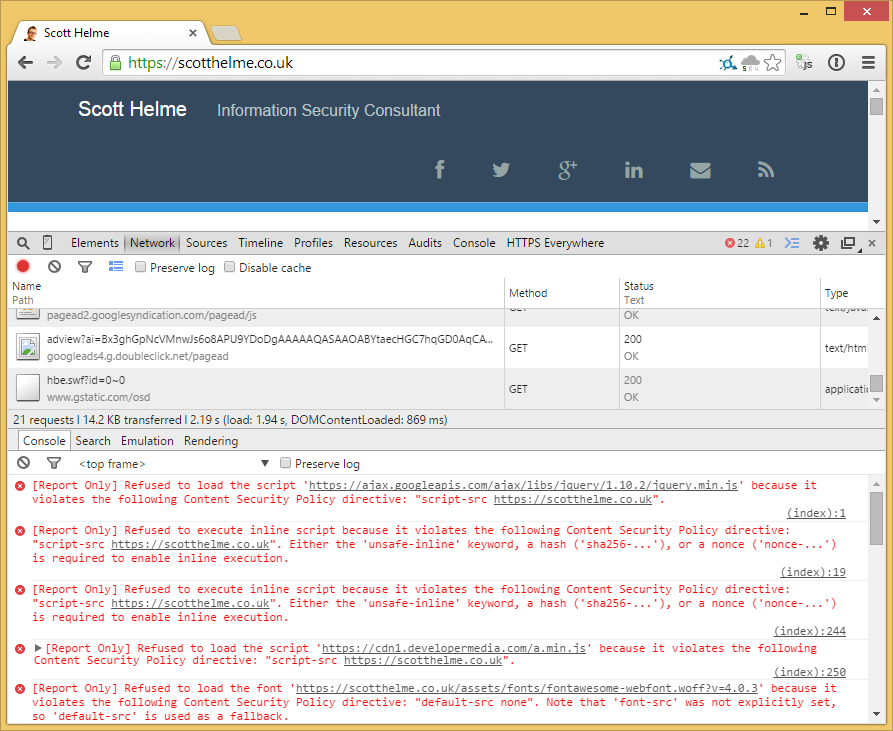
Credit: scotthelme.co.uk
Assessing Threats And Vulnerabilities
Hackers want to break into your website. They look for weak spots. Plugins can be risky. Some have bugs or are not updated. Keep them current. This helps block hackers. Also, use strong passwords. Short and simple ones are easy to guess. Make them long with numbers and symbols.
Another threat is malware. Malware harms your site. It can spread to users. Use security tools to scan for it. Regular checks keep your site safe. Backups are important too. If you lose data, backups save the day. Store them in a safe place.
Protect user data. Encryption is key. This keeps data private. Users trust you more this way. Remember, security needs constant care. Stay alert and update often. Your site depends on it.
Creating Strong Password Policies
A good password is like a strong lock. It keeps your site safe. Use long passwords. At least 12 characters. Mix letters, numbers, and symbols. Avoid common words or dates.
Change passwords often. Every 90 days is best. Use different passwords for each account. This stops hackers. Password managers can help. They save and create strong passwords for you.
Enable two-factor authentication (2FA). It’s an extra layer of safety. Even if someone knows your password, they need another code. This code is sent to your phone. Simple and secure.

Credit: melapress.com
Implementing User Access Controls
Role-Based Permissions help control who can access different parts of a website. Each user has a specific role. Admins manage the website. Editors update content. Users have limited access. Assign roles carefully. It keeps your site secure. Protects sensitive data. Everyone knows their tasks. Confusion reduces. It enhances website safety. Roles simplify management. Users feel important. They know their limits.
Two-Factor Authentication adds an extra security layer. It requires two steps to log in. First, a password. Second, a code sent to a phone. It keeps accounts safe. Stops unauthorized access. Users feel secure. It’s easy to set up. Everyone should use it. Protects against hackers. It’s a smart choice. Safety first. Help users understand its importance. They appreciate the extra protection.
Regular Software Updates
Keeping WordPress core updated is vital. Updates fix security holes and bugs. New features improve your site. Check for updates often. Install them as soon as possible. Never skip an update. Your site stays safe and fast.
Plugins and themessecurity and new features. Check for these updates weekly. Always update your plugins and themes. Outdated ones can harm your site. Keep everything current for a smooth experience.
Backup And Recovery Plans
Keeping your website data safe is vital. Automated backup solutions help a lot. These tools save your data without extra work. They run on their own. You set the time, and they do the rest. Choose a tool that suits your needs. Many are available online. Some are free, while others cost money. Pick one that fits your budget and needs. Regular backups protect your data from loss. Always check if your backups work well.
A disaster can strike at any time. Disaster recovery strategies are important. They help you bounce back quickly. Make a plan for different types of disasters. Include steps for server failure, hacking, or data loss. Keep a list of emergency contacts. Update your plan often. Practice recovery steps to be ready. This way, your site can recover fast.
Securing Data Transmission
SSL Certificates are important for safe data transmission. They help encrypt the connection between the user and the website. This encryption protects sensitive information from hackers. Visitors feel safe when they see the padlock symbol. This symbol shows the site is secure. SSL is a must for any website handling personal data. It builds trust and keeps data private.
A secure hosting environment is vital for website safety. Hosting providers must offer firewalls and regular updates. These tools protect sites from cyber threats. A good host also provides backup services. Backups help recover data in case of a problem. Choose a host with strong security features. This choice ensures your site stays safe and reliable.

Credit: www.reddit.com
Monitoring And Auditing
Activity logs are like a diary for your website. They show who did what. This helps find mistakes and bad actions. Every change is recorded. This helps keep your site safe. Admins can see all actions. This helps in spotting unusual activities. Reviewing logs daily is a good habit. It keeps your website secure.
Intrusion Detection Systems (IDS) are like guards for your website. They watch for strange behaviors. IDS can alert you about suspicious activities. This helps stop hackers before they cause harm. IDS tools are important for every website. They keep your site safe. Having an IDS means extra safety. It’s like having a lock on your door.
Handling Security Breaches
Every website needs an Incident Response Plan. This plan helps in case of a security breach. It should be clear and simple. First, identify the problem quickly. Then, assess the damage. Decide on the next steps. Fix the breach and protect data. Communicate with your team. Inform them about the situation. Make sure everyone knows their role. Regular training is vital. It keeps the team ready. Update the plan often. Learn from past mistakes.
Communication is key during a breach. Set up Communication Protocols. They guide you on who to contact. Use clear messages. Avoid complex words. Keep everyone informed. Contact key people first. Share updates regularly. Use emails or alerts. Ensure that everyone gets the information. Prepare templates for quick messages. Review them often. Make sure they are easy to understand. Keep records of all communications. This helps in future assessments.
Educating Users On Security Best Practices
Training is key to website security. Users must know how to stay safe online. Teach them to spot phishing emails and suspicious links. Show them how to create strong passwords. Passwords must be long and unique. Use numbers and symbols. It is important to update passwords often. Regular training keeps users alert. Make sessions short and focused. Use simple language to explain concepts. Users learn best with clear examples. Create a quiz at the end. This checks their understanding of key points.
Updates protect against new threats. They fix security holes in software. Updates should be installed promptly. Most updates are automatic. Always check settings to ensure updates are on. Inform users about the importance of updates. Explain how they keep data safe. Encourage regular checks for updates. This ensures the website stays secure. Updates are a simple way to prevent hacks. Make it a habit to update everything. Plugins and themes need updates too. Regular updates make a strong security policy.
Frequently Asked Questions
What Is A WordPress Security Policy?
A WordPress security policy outlines measures to protect your site from threats. It includes guidelines on user authentication, regular updates, and backups. Implementing a security policy helps in safeguarding data and preventing unauthorized access. Regularly reviewing and updating your policy ensures optimal protection against emerging risks.
How Can I Secure My WordPress Site?
Securing your WordPress site involves regular updates, strong passwords, and reliable plugins. Use security plugins for enhanced protection. Regular backups ensure data recovery in case of breaches. Limiting login attempts and monitoring user activity can help prevent unauthorized access. Educate users on security practices to minimize vulnerabilities.
Why Are Regular Updates Important?
Regular updates patch security vulnerabilities and improve site performance. They ensure compatibility with plugins and themes. Updates provide new features and fix bugs. Neglecting updates can lead to security risks and functionality issues. Staying updated is crucial for maintaining a secure and efficient WordPress site.
What Role Do Plugins Play In Security?
Plugins enhance WordPress functionality but can introduce vulnerabilities. Choose reputable plugins from trusted sources. Regularly update plugins to fix security issues. Remove unused plugins to minimize risks. Use security plugins to monitor and protect against threats. Evaluating plugin reviews and ratings ensures safe integration with your site.
Conclusion
Securing your WordPress site matters. Protects your data. Keeps users safe. A strong security policy is essential. Regular updates can prevent vulnerabilities. Passwords should be complex. Two-factor authentication adds another layer. Backups are crucial. Regularly check for malware. Limit login attempts to deter hackers.
Security plugins help monitor threats. Educate your team on safe practices. Simple steps make a big difference. Your site’s safety impacts your reputation. Prioritize security for peace of mind. Stay proactive. Ensure your WordPress site remains secure and trusted. A secure site builds confidence among visitors.


