Are you diving into the world of WordPress and wondering about the right language for Gutenberg? You’re not alone.
As you aim to build a website that stands out, understanding the technical backbone of WordPress’s block editor is crucial. The language you choose can greatly impact the performance, customizability, and overall success of your website. You’ll discover why language choice matters and how it can enhance your WordPress experience.
Prepare to unlock insights that could transform how you approach website development. Let’s get started!
Credit: 10web.io
Gutenberg’s Core Language
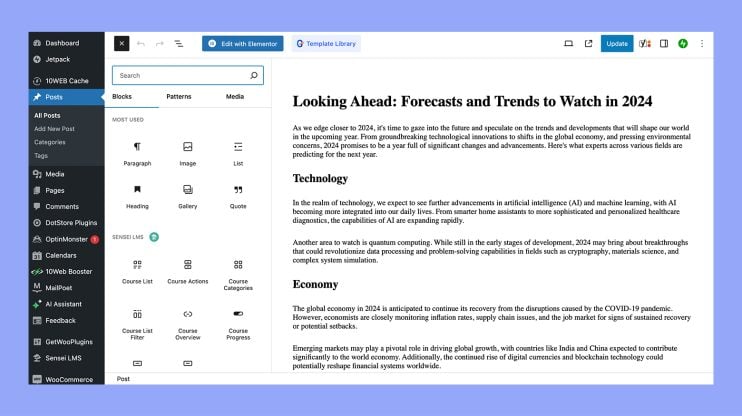
Gutenberg uses JavaScript for its core. This helps in building blocks. Blocks make creating content easy. Each block is like a piece of a puzzle. They fit together to make your page. React is a JavaScript library. Gutenberg uses React to build blocks. React makes blocks interactive. PHP is also important. It runs on the server. PHP and JavaScript work together. They make Gutenberg powerful.
HTML is the language of the web. It structures content. Gutenberg uses HTML to display blocks. CSS styles these blocks. It makes them look nice. Together, these languages create a smooth experience. Users can build websites with ease. No coding needed.
Javascript: The Backbone
JavaScript powers Gutenberg in WordPress. It uses ESNext features. These are new JavaScript tools. React is a library. It helps build user interfaces. Gutenberg uses React. This makes it fast and smooth. Developers love React. It is flexible. JSX is part of React. It looks like HTML. But it’s JavaScript. JSX makes coding easy. Developers use JSX in Gutenberg. It helps create blocks. Blocks are the building parts of Gutenberg. Each block does something special. JSX makes these blocks work well. It is easy to learn. Even for beginners. JavaScript and JSX are key parts of Gutenberg. They work together. They make WordPress better.
Php’s Role
PHP is the backbone of WordPress. It runs on the server. PHP handles requests from users. It processes data and delivers pages. This makes PHP crucial for dynamic websites. PHP works behind the scenes. It makes WordPress fast and responsive. PHP ensures smooth operation of plugins and themes. Developers use PHP for creating custom solutions. PHP is easy to learn and widely used. It powers millions of websites worldwide.
Blocks in Gutenberg use PHP for functionality. PHP adds features to blocks. It makes blocks interactive. PHP can change block content. It updates blocks with new data. Developers write PHP code in block files. PHP helps blocks connect to databases. It retrieves and displays information. This makes blocks more useful. PHP functions provide flexibility in design. They enhance user experience on websites.

Credit: make.wordpress.org
Html And Css For Styling
HTML is the language for web pages. Every page needs HTML tags. Tags like are for headings. tags are for paragraphs. Each tag has a specific role. Images use the tags. Use HTML to structure content. It is easy to learn. HTML is the first step in web design.
CSS styles the web pages. It changes colors, fonts, and layout. Each block can have different styles. Use CSS to make pages look good. Blocks get design using CSS rules. Rules are simple to write. CSS makes blocks unique. It is flexible and powerful. Change design anytime using CSS. The web looks better with CSS.
Rest Api Integration
REST API helps connect WordPress data with other systems. It allows easy data exchange. Developers can access posts, pages, and users. This makes creating custom apps simple.
Connecting With WordPress Data
Connecting data from WordPress is vital for modern sites. The REST API ensures data is always fresh. It helps fetch or update data efficiently. Use it to access content from anywhere.
Custom Endpoints
Custom endpoints let developers extend API capabilities. They create specific paths for unique data needs. These endpoints help tailor solutions for different projects. Use them to meet business demands.
Learning Resources
WordPress offers a comprehensive guide for Gutenberg. Official documentation is very detailed. It helps users understand basic and advanced features. Step-by-step instructions are provided. Screenshots make learning easier. Developers find coding examples helpful. Beginners gain insight into plugin creation. The resource is updated regularly. It ensures latest information is available. Users can access it online anytime.
Many community-driven tutorials exist for Gutenberg. They share practical tips and tricks. Users contribute their experience. Videos often accompany written guides. This makes learning visual and fun. Forums offer a place for questions. Answers come from experienced users. Blogs discuss real-world applications. Tutorials are often free. Anyone can access them easily.

Credit: make.wordpress.org
Frequently Asked Questions
What Language Is Used In WordPress Gutenberg?
WordPress Gutenberg primarily uses JavaScript, particularly React, for its block-based editor. JavaScript facilitates dynamic content management and seamless user interactions. Additionally, Gutenberg utilizes PHP to integrate with WordPress’s backend and server-side operations, ensuring smooth functionality and compatibility across different WordPress themes and plugins.
How Does Gutenberg Benefit Developers?
Gutenberg offers developers a modern, block-based approach for creating content. It simplifies customization and provides a more intuitive interface. Developers can create reusable blocks, enhancing efficiency and consistency. The JavaScript-based architecture makes it easier to integrate dynamic features, improving user experience and site performance.
Is React Necessary For Gutenberg Development?
Yes, React is essential for Gutenberg development. Gutenberg relies on React for its dynamic block editing interface. React’s component-based structure allows developers to create interactive and reusable blocks efficiently. Understanding React enables developers to extend Gutenberg’s functionality and build custom blocks tailored to specific needs.
Can Php Be Used With Gutenberg?
Yes, PHP is crucial for Gutenberg integration with WordPress. Gutenberg utilizes PHP to interact with WordPress’s backend and manage server-side operations. PHP handles data processing, storage, and retrieval, ensuring seamless interaction between Gutenberg blocks and WordPress core functionalities. It complements JavaScript in building comprehensive WordPress solutions.
Conclusion
Choosing the right language for WordPress Gutenberg is essential. It impacts your site’s performance and user experience. Evaluate your needs and technical skills first. PHP is common for WordPress, but JavaScript is also crucial. Each language has unique benefits. Make sure to align them with your project goals.
Explore different languages and find what suits you best. Experiment, learn, and grow your skills over time. Stay updated with community trends and updates. This will ensure your WordPress journey is smooth and effective. Happy coding!