
Imagine having a dream website, fully optimized and ready to welcome visitors from all around the world. But there’s one major piece missing: the right server for web hosting.
Choosing the perfect server can feel overwhelming, especially with so many options out there. How do you ensure your website runs smoothly, loads quickly, and remains secure? This is where understanding your server for web hosting becomes crucial. You’ll discover what makes a server tick and how it impacts your site’s performance.
Dive in to find out how you can make informed decisions that will elevate your website’s potential and keep your visitors coming back for more.
Types Of Web Hosting Servers
Shared hosting is cheap and easy. Many websites share one server. Each site gets a limited amount of resources. It’s good for small sites. Cost is low because many users share the price. Performance might be slow. If one site gets busy, others might be affected. It’s simple to set up. Best for beginners.
VPS offers more control. Users get a private space on a server. It’s more secure than shared hosting. Each user gets dedicated resources. Good for medium-sized websites. Cost is higher than shared hosting. Users can customize their setup. Performance is better. Ideal for those needing more power.
A dedicated server is powerful. One user gets the whole server. No sharing with others. Fast performance and high security. Best for large websites. Cost is high. Users have full control over settings. Reliable for demanding tasks. Not for beginners. Requires technical skills.
Cloud hosting uses many servers. If one fails, another takes over. This improves reliability. Sites can grow easily. Users pay for what they use. It’s flexible and scalable. Good for sites with changing traffic. Cost varies with usage. Ideal for dynamic websites.
Credit: www.hostinger.com
Choosing The Right Server
Know what your website needs. Is it a small blog or a big store? A small blog needs less power. A big store needs more. Traffic is important too. More visitors need more resources. Choose a server that fits your needs. Don’t pick a big server for a tiny site. Plan for today and tomorrow.
Money matters. Servers can be cheap or costly. Think about your budget. A shared server is cheaper. A dedicated server costs more. Start small if you’re unsure. Upgrade as you grow. Spend wisely.
Plan for growth. Scalable servers grow with you. Flexible servers let you change things. Start small and upgrade later. Make sure your server can handle changes. This saves time and stress. A good server grows with your website.
Server Performance Factors
Speed is crucial for websites. Fast sites make users happy. Slow sites can lose visitors. Uptime means your site is always online. If your site is often down, people can’t visit it. Good servers keep sites online all the time. Choose a server with high uptime.
Servers have resources. These include memory and storage. They help run your site. More resources mean better performance. It’s important to have enough memory. Your site will run smoothly. You won’t face crashes or slowdowns. Choose a server with good resource allocation.
Many visitors can come to your site at once. Servers should handle this load easily. If not, your site may crash. Load balancing helps distribute traffic. This keeps your site stable. Choose a server that manages loads well. It ensures your site is reliable.
Security Measures For Servers
A firewall is like a shield for your server. It keeps unwanted visitors out. Good firewalls block dangerous data. They allow safe data to pass. This protects your server from hackers. Firewalls must be strong and reliable.
Data encryption is crucial. It turns your information into a secret code. Only trusted users can read it. This keeps your data safe. Even if someone steals it, they can’t read it. Encryption protects your important data.
Keeping your server updated is vital. Updates fix security holes. Patches repair these holes. They prevent attacks. New updates come often. Always install them. This keeps your server safe and strong.
Server Management Tools
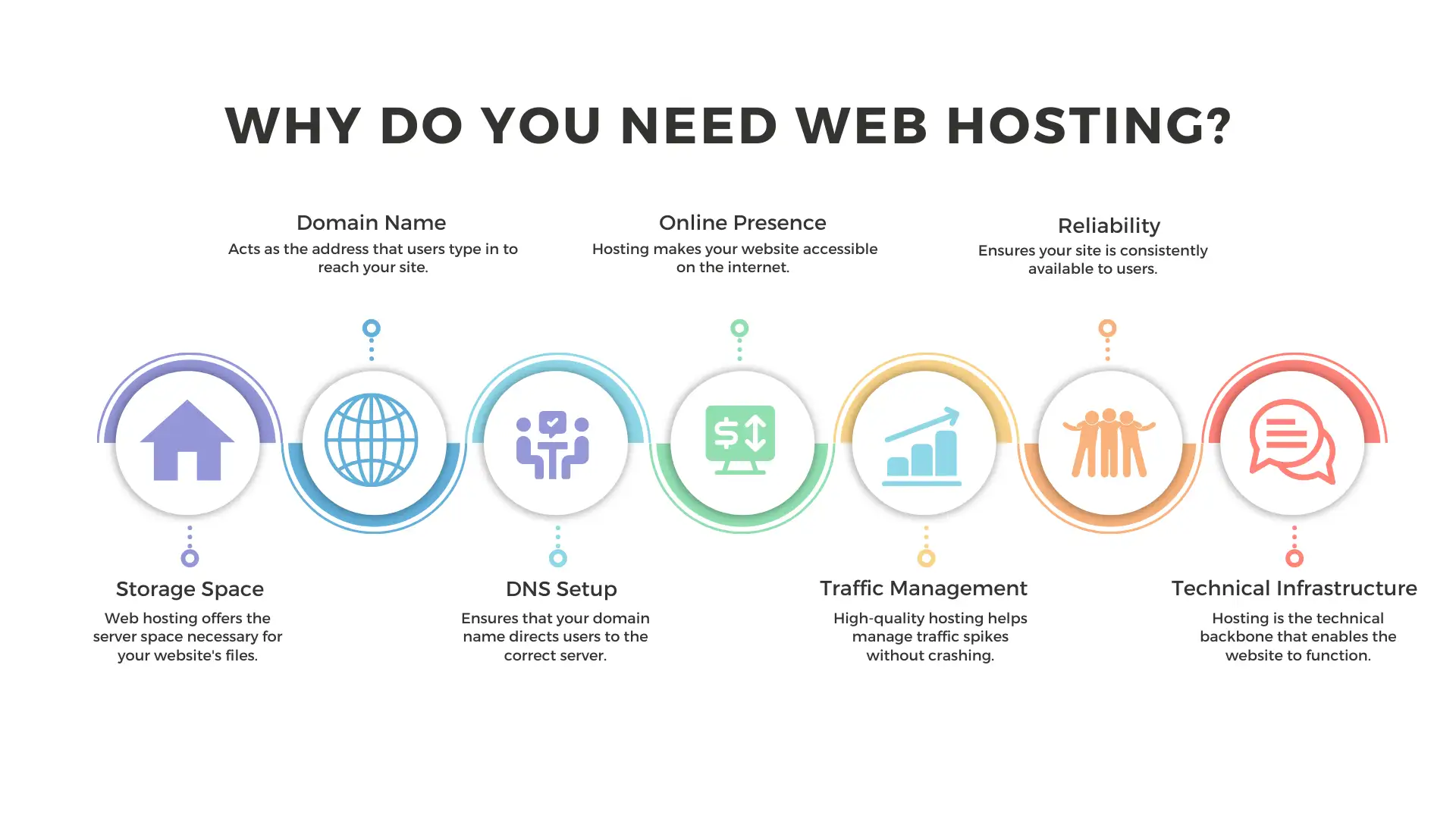
Control panels are user-friendly interfaces. They help manage websites easily. Popular control panels include cPanel and Plesk. These panels offer drag-and-drop features. They simplify tasks like file uploads. Also, they help in setting up email accounts. Control panels make server management easy for beginners.
Monitoring software keeps your server healthy. It watches for any problems. These tools send alerts when issues arise. Popular options include Nagios and Zabbix. Monitoring helps ensure smooth operation. It checks for high resource usage. Monitoring software is vital for server safety.
Backup solutions protect your data. They create copies of important files. Tools like Acronis and Veeam are popular. Backups help recover lost data. They are crucial during server crashes. Regular backups keep your information safe. It’s important to have a backup plan.
Credit: wegic.ai
Future Trends In Web Hosting
Web hosting uses a lot of energy. Eco-friendly servers help save energy. They use less electricity. These servers are better for our planet. They produce less pollution. Solar and wind power can run them. Many companies try to be green. They help make the Earth cleaner. This trend will grow in the future.
AI helps in many ways. It makes tasks faster and easier. Automation can fix problems quickly. AI can learn and get better. It helps in managing servers. This saves time and money. People like using AI for web hosting. It makes hosting smarter.
Edge computing brings data closer. This means faster services. It helps in loading websites quickly. Data is processed near the user. This improves speed and performance. Edge computing is great for busy sites. It will be more common in coming years.
Credit: www.godaddy.com
Frequently Asked Questions
What Is The Server For Web Hosting?
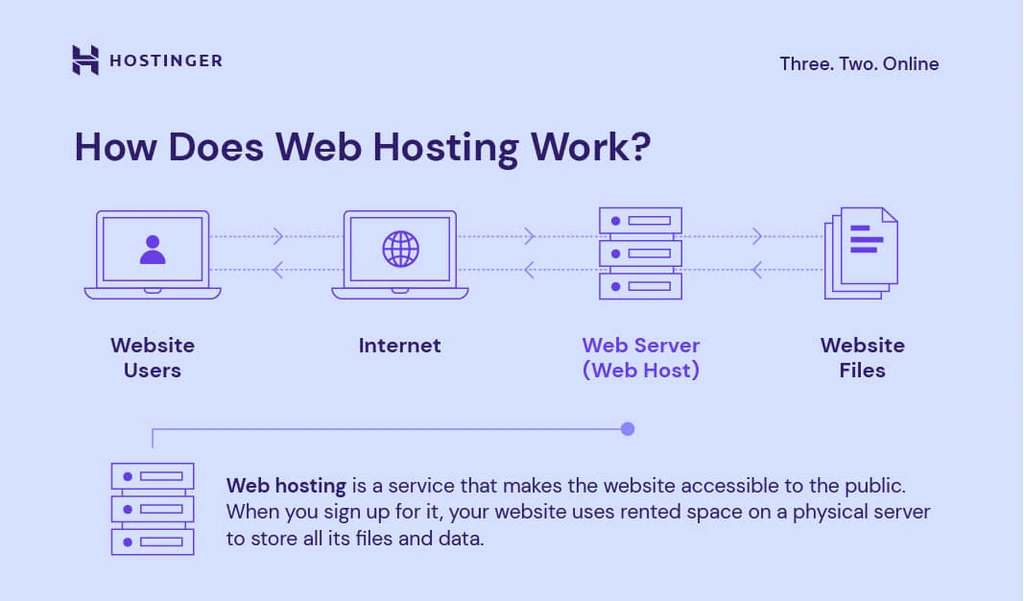
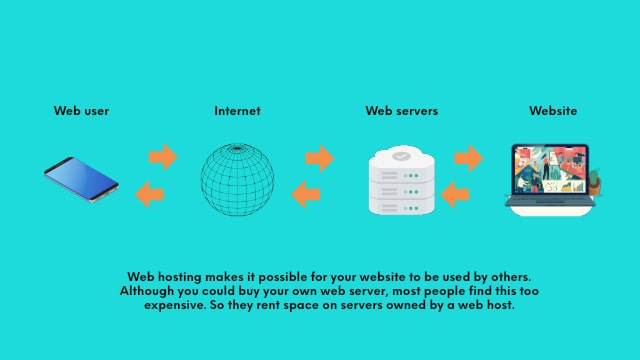
A server for web hosting is a powerful computer that stores website data and makes it accessible online. It processes requests from browsers, allowing users to view and interact with websites. Reliable hosting servers ensure fast load times and high website availability, enhancing the user experience.
How Do I Find Out What Server Is Hosting My Website?
Use an online tool like “Whois” to check the server hosting your website. Enter your domain name. The results will display your hosting provider information. Alternatively, check your website’s DNS records in your domain registrar’s account for the hosting server details.
How Do I Find My Web Server?
To find your web server, check your hosting provider’s dashboard for server details. Use tools like “WHOIS” or “Ping” to identify your server’s IP address. Look into your domain settings or contact your hosting support for assistance. This helps ensure you accurately locate your web server.
What Is Your Web Server?
Our web server is Apache, known for its robust performance and security. It efficiently handles web requests, ensuring fast page load times and reliable service. Apache is widely used and trusted globally for hosting websites.
Conclusion
Choosing the right server impacts your website’s performance. It’s a vital step. A reliable server ensures fast loading times. This keeps visitors happy. Consider server type, speed, and security. These factors affect your site’s success. Research well before deciding. Your choice affects your website’s reliability.
Invest in a server that meets your needs. Prioritize quality and support. This decision will benefit your online presence. A good server supports growth and efficiency. Make the right choice today. Your website’s future depends on it.


