
Are you looking to create a collaborative space where information flows seamlessly? Meet WordPress Wiki, a powerful tool designed to help you organize and share knowledge with ease.
Imagine a platform where you can effortlessly store, manage, and update valuable content for your team, audience, or community. Sounds intriguing, right? With WordPress Wiki, you have the potential to transform your website into an interactive hub of information, much like the popular Wikipedia, but tailored to your specific needs.
Dive in to discover how WordPress Wiki can revolutionize the way you manage and present content, making it not only accessible but also engaging for your audience. Curious to see how it all works? Let’s unravel the magic behind WordPress Wiki and see how it can work wonders for you.
Credit: launchandsell.com
WordPress Wiki Essentials
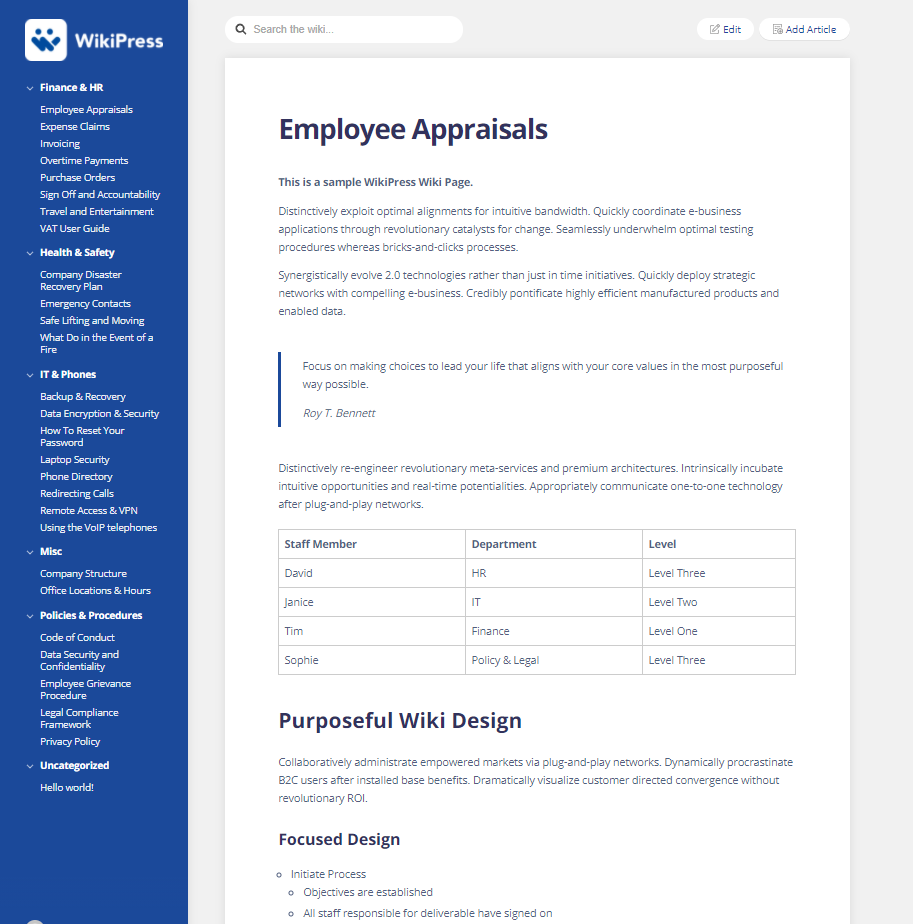
A WordPress Wiki is a website for sharing information. People use it to create and edit content. It helps in organizing data. This makes finding information easy. Users collaborate to build it. This means it grows with time. It is useful for teams. It helps in learning and sharing knowledge.
WordPress Wiki has many features:
- Easy Editing: Simple tools for adding content.
- Search Function: Find information quickly.
- Collaborative Tools: Many people can work together.
- Version Control: Keep track of changes.
- Access Control: Decide who can view or edit.
Benefits Of Using WordPress Wiki
WordPress Wiki allows teams to work together easily. Everyone can add information. Sharing knowledge becomes simple. Team members can update data quickly. This keeps content fresh and accurate.
Collaboration helps teams grow and learn. It creates a space for ideas. Sharing ideas boosts creativity. This makes projects successful. Everyone feels included and valued.
WordPress Wiki is very easy to use. Even beginners can start quickly. The interface is simple and clear. Users don’t need special skills. Creating pages is as easy as typing.
Formatting text is simple. Adding images takes only a few clicks. This makes managing content stress-free. Users can focus on content, not technology.
Setting Up A WordPress Wiki
Picking the right plugin is key for your Wiki. Look for plugins that are easy to use. They should have good support. Some popular choices are WikiLite and Knowledge Base. These plugins help you organize your info. They make it easy for visitors to find what they need. Many plugins offer customizable options. This allows you to make your Wiki look just right. Always read reviews before choosing. Reviews tell you if others like the plugin. This helps you make a smart choice.
Configuring your Wiki is simple. Start by setting up the main page. This is the first thing users see. Make it welcoming and clear. Add categories to sort your pages. This helps users find info quickly. Use a simple layout. A clean design makes reading easy. Don’t forget to add a search bar. This lets users find info fast. Lastly, test your Wiki. Check if everything works well. Fix any issues you find. This makes your Wiki better for everyone.

Credit: en.wikipedia.org
Customizing Your Wiki
Choosing the right design is important. It makes your wiki look nice. Themes help you change colors and styles. You can pick from many themes. Some themes are free. Others cost money. A good theme matches your wiki’s topic. It should be easy to use. Try different themes. Find one that fits best. Keep your design simple. Too many colors can be confusing. Simple designs are easier to read. They make your wiki look clean.
Plugins add new features to your wiki. They can help with images, links, and more. Plugins are easy to install. Many plugins are free. Some are paid. Choose plugins wisely. Too many can slow down your wiki. Use only what you need. Widgets can also help. They add tools for users. Widgets make your wiki more fun. Users like helpful widgets. Keep your wiki fast. A slow wiki is hard to use. Fast wikis keep users happy.
Maintaining Your WordPress Wiki
Keeping your WordPress Wiki updated is important. Add new content often. Update old pages too. Fresh information helps users. It makes your wiki useful. Check for errors. Fix them quickly. New updates keep your site alive. Users will come back for more. They trust your information. Be consistent with updates. It builds a reliable resource.
User management is key for your wiki. Control who can edit pages. Some users should only view content. Others can add or change information. Set clear roles for each user. Use plugins for better control. Keep track of user activity. It helps prevent unwanted changes. Good management keeps your wiki safe. It ensures the content stays correct. Users will have a smooth experience. They will find the right information easily.
Popular Plugins For WordPress Wiki
WordPress Wiki plugins make building wikis simple. They help users create and manage content easily. Here are some top recommendations:
- Knowledge Base: A user-friendly plugin with many features. It supports articles and FAQs.
- Encyclopedia Lite: Offers a clean interface. It works well for beginners.
- BasePress: Known for its flexibility. It allows multiple layouts.
Each plugin has unique features. Let’s explore:
| Plugin | Features |
|---|---|
| Knowledge Base | Drag-and-drop builder, SEO friendly |
| Encyclopedia Lite | Category filters, Multilingual support |
| BasePress | Custom themes, Search capabilities |
Common Challenges And Solutions
WordPress Wiki can have technical issues sometimes. Pages might not load properly. Images can disappear. Plugins may fail to work. User errors can also happen. Fixing these is crucial. Check your internet connection first. Clear your browser cache. Update plugins regularly. Keep themes up-to-date. If problems persist, contact support for help. Always back up your site. This saves you from data loss. Practice caution when installing new tools. Be aware of system requirements. Read instructions carefully. Test changes before going live. This helps catch mistakes early. With patience, issues get solved. Your Wiki stays safe and functional.
Organize content neatly. Use clear headings and subheadings. Make navigation easy for users. Add a search bar for quick access. Include relevant keywords in your text. This improves site visibility. Write concise and informative articles. Avoid jargon and complex words. Keep sentences short and simple. Use bullet points for lists. This aids in better understanding. Update content regularly. Keep information current. Ensure that links work correctly. Broken links frustrate users. Check for spelling errors. Grammar matters. A well-maintained Wiki is trusted. Users rely on accurate data. Follow these practices for a successful site.
Future Of WordPress Wiki
WordPress Wikis are growing. People want fast and easy information. Wikis help with this. Voice search is becoming popular. Wikis will adapt to this change. Mobile-friendly pages are important. More people use phones now. Wikis will be easy to read on phones. Collaborative editing is a trend. Many people can edit a wiki. This makes information better.
Artificial intelligence will help. It can suggest edits. Machine learning will make Wikis smarter. Security features will improve. Wikis need safe data. User experience will get better. Easy to use wikis are important. Content diversity will grow. Wikis will have many types of content. Text, videos, and images will be included.

Credit: webdesign.tutsplus.com
Frequently Asked Questions
What Is A WordPress Wiki?
A WordPress Wiki is a website using WordPress to organize and share information in a collaborative manner. It allows users to create, edit, and manage content easily. It’s ideal for building knowledge bases, documentation sites, or educational platforms. Plugins can enhance functionality for better collaboration and information management.
How Can I Create A WordPress Wiki?
To create a WordPress Wiki, you need a WordPress installation. Choose a wiki-focused theme or plugin to organize content effectively. Customize the site structure to allow easy navigation. Add collaboration features like user roles and permissions. Regularly update and manage content to ensure accuracy and relevance.
Are WordPress Wikis Seo Friendly?
Yes, WordPress Wikis can be SEO friendly. Use SEO plugins to optimize content for search engines. Organize information in a structured manner with headings and keywords. Ensure fast loading times and mobile responsiveness. Regularly update content to improve search engine rankings and user engagement.
Can WordPress Wikis Handle Large Data?
WordPress Wikis can handle large data with proper configuration. Choose reliable hosting to manage increased traffic and data storage. Optimize the database for efficiency. Use caching plugins to improve site performance. Regularly monitor and maintain the site to ensure smooth operation and user experience.
Conclusion
WordPress Wiki offers a simple way to share information. It’s user-friendly and flexible. You can create and manage content easily. This tool helps organize knowledge efficiently. Perfect for businesses and communities. New users will find it intuitive. It supports collaboration and growth.
You can customize it to meet your needs. A great choice for building a knowledge hub. Start exploring its features today. Enhance your website with valuable resources. Keep your audience informed and engaged. WordPress Wiki is a smart solution for accessible information.
Consider it for your next project.


