
Have you ever wondered how multiple websites can exist on a single server? The answer lies in a concept called web server virtual hosting.
If you’re managing a website or planning to launch one, understanding virtual hosting is crucial. It could save you money, improve your site’s performance, and even enhance security. Imagine hosting multiple sites without needing separate servers for each. Sounds efficient, right?
By the end of this article, you’ll have a clear grasp of how virtual hosting works and why it might be the ideal solution for your web hosting needs. Dive in to discover the magic that can streamline your online presence.
Credit: www.youtube.com
Types Of Virtual Hosting
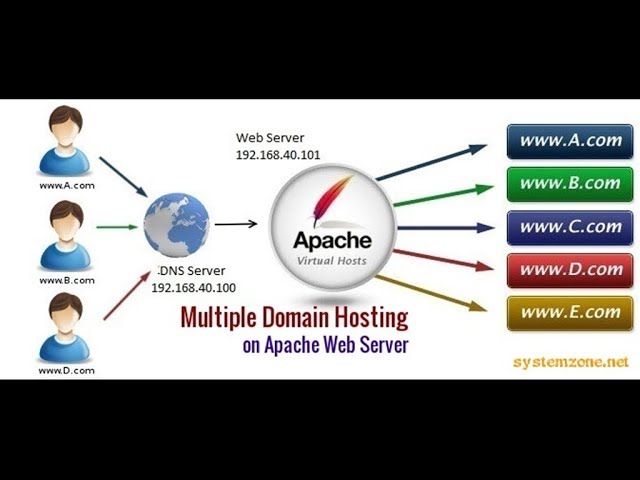
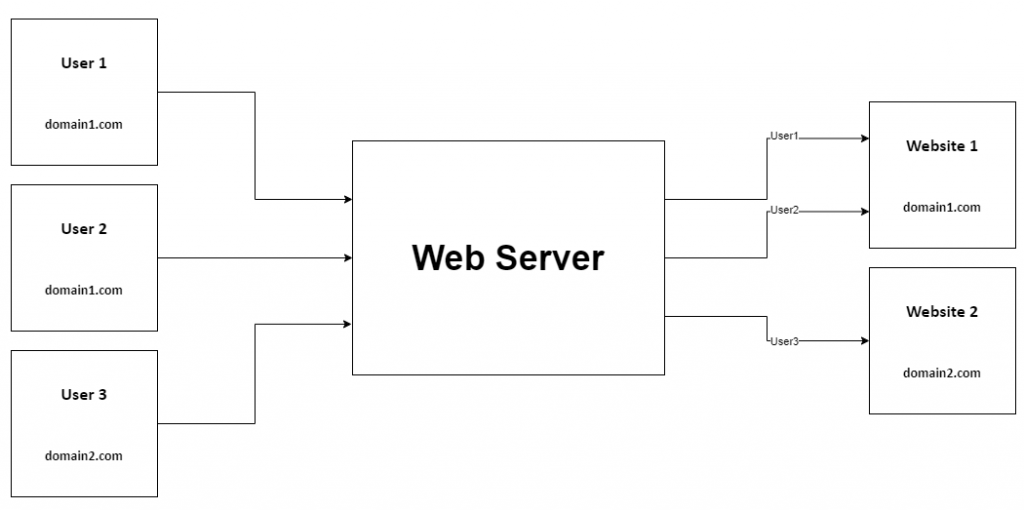
Name-based virtual hosting allows many websites on one IP. Each site has a unique name. Browsers request the site by its name. The server sends the right site to the browser. This saves IP addresses and is easy to manage. It’s a common choice for many websites.
IP-based virtual hosting assigns each website its own IP. Each site listens on a different IP address. This method helps with SSL certificates. It provides better security. But it needs more IPs. That’s why it’s less common today.
Port-based virtual hosting uses different ports for each site. Each website runs on a unique port number. Users must type the port in the URL. This method is less user-friendly. It’s rarely used on the internet. But it works for special cases.
Benefits Of Virtual Hosting
Virtual hosting is cost-effective. You share server resources with others. This means lower costs. You only pay for what you use. No need to buy a big server. Save money and use it for other things.
Resources are used better with virtual hosting. Servers host many websites at once. This means less waste. Each site gets the right amount of resources. Nothing is left unused. It’s a smart way to manage servers.
Virtual hosting is easy to grow. As your site grows, add more resources. Your site will not slow down. It’s easy to scale up or down. You get what you need, when you need it.
Challenges With Virtual Hosting
Virtual hosting can expose servers to security risks. Each website shares resources. This sharing increases the risk of unauthorized access. Hackers may exploit vulnerabilities. Regular updates are crucial. Strong passwords help protect data. Firewalls add an extra layer of security. Data encryption is also important. Each site needs its own security policies.
Shared resources can lead to slow performance. High traffic affects all sites. Bandwidth is limited. Websites may load slowly. Users can become frustrated. Server crashes can occur. Proper resource allocation is necessary. Monitoring helps prevent overload. Balancing traffic improves speed.
Setting up virtual hosting can be complex. Each site requires unique settings. Misconfiguration can cause errors. Admins need strong technical skills. Different websites need different software. Configuration files must be managed carefully. Mistakes can lead to downtime. Regular backups are essential. Proper documentation helps avoid confusion.
Setting Up Virtual Hosting
Web servers need configuration files to handle virtual hosting. These files tell the server how to manage different domains. Each domain has its own rules. This helps keep websites separate. It’s important to get these files right. Mistakes can cause problems.
DNS settings help link your domain to your server. They act like a map for the internet. Each domain needs its own DNS settings. This ensures visitors reach the correct website. DNS settings must be updated whenever changes are made. This keeps everything working smoothly.
After setup, testing is crucial. It ensures each website loads correctly. Check each domain to see if it shows the right content. Testing helps find errors early. This saves time later. Always verify your configurations. It ensures a smooth visitor experience.
Virtual Hosting Vs Dedicated Hosting
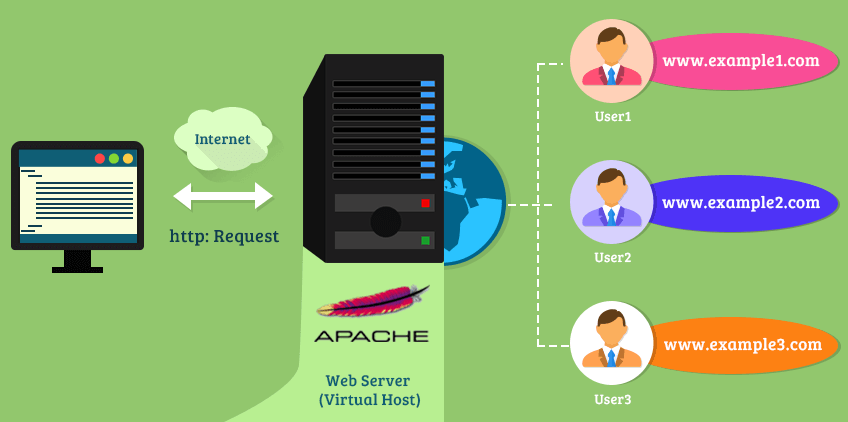
Virtual hosting allows multiple websites on one server, sharing resources efficiently. It’s cost-effective and ideal for smaller websites. Dedicated hosting provides a server solely for one website, ensuring better performance and security. Choose based on budget and needs.
Resource Allocation
Virtual hosting shares server resources among many websites. Each website gets a part of the CPU, memory, and storage. Websites on a virtual host may face slowdowns if another site uses too much power. Dedicated hosting gives one website all the server resources. This means faster speeds and better performance. No other sites can slow it down.
Cost Comparison
Virtual hosting is cheaper. It shares costs among many users. This makes it budget-friendly. Dedicated hosting costs more. It gives full control over the server. This is good for large businesses with big budgets. They need full control and better performance.
Security Aspects
Virtual hosting can be less secure. Many sites share the same server. If one site gets hacked, others might be at risk. Dedicated hosting offers higher security. It has custom security settings. Only one site uses the server. This reduces risks from other sites.
Credit: medium.com
Future Trends In Virtual Hosting
Cloud services are getting more popular. Virtual hosting now uses cloud technology. This brings more flexibility and scalability. Businesses can grow without limits. Cloud integration makes data management easier. It offers faster access to resources. More users can connect without slowing down. Companies save money with cloud options.
Automation helps with routine tasks. It reduces manual work. Virtual hosting uses tools to automate services. This saves time and effort. Automated systems need less human help. They work continuously and efficiently. Businesses improve operations with automated solutions.
Security is very important. Virtual hosting offers better protection now. It includes firewalls and encryption. These keep data safe. Enhanced security measures stop cyber threats. Users feel safe using hosted websites. Hosting providers focus on safe environments. They improve security regularly.
Credit: www.liquidweb.com
Frequently Asked Questions
What Is Virtual Hosting In A Web Server?
Virtual hosting allows a web server to host multiple websites on a single server. It uses different domain names or IP addresses to distinguish the sites. This method efficiently utilizes server resources and reduces costs.
What Is A Virtual Server Hosting?
Virtual server hosting involves running multiple virtual servers on a single physical server. Each virtual server functions independently, offering dedicated resources. This method enhances efficiency, scalability, and cost-effectiveness. Users can manage their virtual environments without the need for separate physical hardware, making it ideal for businesses seeking flexibility.
What Is A Web Server Vm?
A web server VM is a virtual machine hosting web server software. It manages and delivers web content to users. It runs on physical servers, using virtualization to create isolated environments for hosting websites. This setup offers flexibility, scalability, and cost-effective solutions for web hosting needs.
What Is The Difference Between A Web Server And Hosting?
A web server is software that delivers web content, while hosting provides the infrastructure to store and access websites. Hosting includes server space, bandwidth, and resources to keep websites online. Web servers manage requests and serve files, while hosting ensures websites are accessible on the internet.
Conclusion
Web server virtual hosting offers efficient resource use. It allows multiple websites on one server. This is cost-effective and flexible. Businesses of all sizes benefit from it. Virtual hosting supports growth without extra hardware. It simplifies server management tasks. With proper setup, it enhances security.
Users can easily scale their websites. Understanding virtual hosting is crucial. It helps in making informed decisions. Web hosting becomes more efficient with it. Choose the right hosting to meet your needs. Virtual hosting is a smart choice for many.
Consider it for your web solutions.


