
Imagine you’re planning a big party. You’ve got the decorations, the music, and the guest list all sorted out.
But where will you host it? Your home provides the space, and you play the role of the host, making sure everything runs smoothly. This is quite similar to how websites work on the internet. If you’ve ever wondered what makes your favorite websites accessible at the click of a button, you’re about to uncover the magic behind it all.
We’ll dive into the world of web servers and web hosting. You’ll learn how they work hand-in-hand to make websites available to you and users worldwide. By understanding these key components, you’ll be better equipped to navigate the digital landscape, whether you’re building a personal blog or launching the next big online store. Stick around, and let’s unravel the mysteries of the internet’s backstage together!
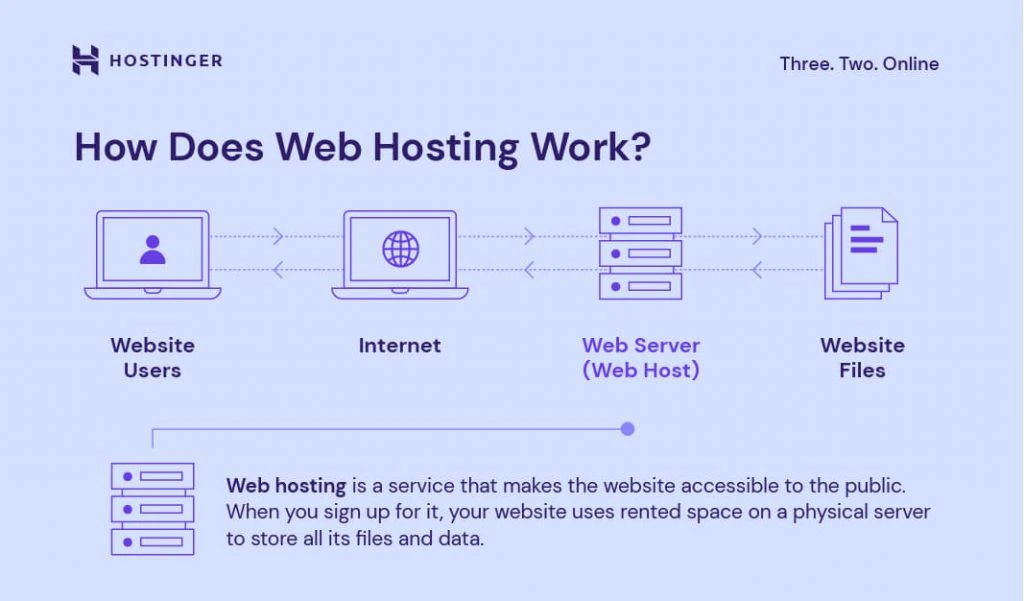
Credit: www.hostinger.com
Web Server Basics
Web servers are computers that store and deliver web pages. They help users see websites. When someone clicks on a link, the web server sends the page. It works fast to show the site. Web servers have important jobs. They handle many users at once. They keep websites safe and secure. Security is a key feature of web servers. They use software to protect data.
Web servers do many things. They store website files. They deliver these files to browsers. Web servers manage requests from users. They handle these requests quickly. Web servers also keep the site running. They make sure the site is up all the time. They protect against hackers. Protection is very important.
There are different types of web servers. Apache is very popular. It is open-source and used widely. Nginx is also popular. It handles many users well. IIS is from Microsoft. It works with Windows. Each server has its own features. Some are faster. Others are more secure.
Web Hosting Essentials
Web hosting comes in different types. Each type has its own features. Choosing the right type depends on your needs.
Shared Hosting Explained
Shared hosting is the most common type. Many websites share a single server. It’s like sharing a big house with friends. Each site gets a small part. This type is good for small websites. It’s cheap and easy to use.
Dedicated Hosting Overview
Dedicated hosting means having your own server. No sharing with others. It’s like having your own house. You have full control. This type is best for big websites. It costs more but offers better performance.
Cloud Hosting Benefits
Cloud hosting uses many servers. If one server fails, others help out. It’s like having many helpers for a job. It’s reliable and flexible. This type is great for growing websites. You pay for what you use.
How Web Servers And Hosting Work Together
Web servers need careful setup. They store and deliver website files. Each server has a unique IP address. This helps computers find it online. Configuration involves setting up software and hardware. It makes sure the server runs smoothly. Security settings protect the data. Servers can handle many requests at once. They must be fast and reliable. Proper setup helps websites load quickly. Without good configuration, websites may crash.
DNS is like a phone book for websites. It translates domain names into IP addresses. Domain names are easier for people to remember. Computers use IP addresses to find servers. DNS makes this translation happen. When someone types a domain name, DNS finds the right server. This process is quick and automatic. Without DNS, finding websites would be hard. It helps users access sites easily. DNS plays a key role in web browsing.

Credit: www.geeksforgeeks.org
Choosing The Right Web Server
Web server speed is important for a website. Fast servers make pages load quickly. This keeps users happy. A slow server can make users leave. It’s good to choose a server that suits your needs. Check the CPU, RAM, and disk space. These affect the speed. More resources often mean better performance.
A secure web server keeps data safe. Security features protect against hackers. Look for servers with firewalls and SSL certificates. These help protect information. Regular updates and patches are also important. They fix security holes. Ensure your server provider offers these features. Safety should always be a top priority.
Selecting A Web Hosting Service
A web server stores and delivers website content to visitors online. Web hosting services provide the server space to keep your site accessible 24/7. Choosing the right host ensures reliable performance and security for your website.
Cost Factors
The price of web hosting can vary. Some services are cheap, others are costly. Basic plans may suit small websites. Large sites may need pricier plans. Always check what’s included. Sometimes, a cheap plan lacks features. Compare different plans carefully. Look at the value they offer. Choose one that fits your budget.
Scalability Options
Scalability is important for growing websites. A good host lets you upgrade easily. Start small and grow big without hassle. Some hosts have flexible plans. Others may lock you in. Ensure your host offers easy upgrades. This saves time and effort later. Choose a host with scalability in mind.
Technical Support
Reliable technical support is vital. Problems can occur anytime. A good host offers 24/7 support. Look for hosts with quick response times. Some provide chat, phone, or email support. Check reviews about their service quality. Choose a host with helpful support. It ensures your website runs smoothly.
Future Trends In Web Servers And Hosting
New technologies are changing web servers and hosting. Cloud computing is very popular now. It helps websites run faster and safer. Serverless computing is also growing. It lets developers focus on code, not on server management. These technologies make hosting more flexible and efficient.
Artificial Intelligence (AI) is making hosting smarter. AI can predict problems before they happen. This keeps websites up and running smoothly. AI also helps in resource management. It ensures servers use the right amount of power. This saves energy and money. As AI grows, web hosting will become even more efficient.

Credit: diggitymarketing.com
Frequently Asked Questions
What Is The Difference Between Web Hosting And Web Server?
Web hosting stores your website files on servers. A web server delivers these files to users’ browsers. Hosting provides space, while servers manage data requests. Both are essential for a website’s operation, but they serve different functions.
What Is The Difference Between A Host And A Server?
A host is a device connected to a network that provides data or services. A server is a specific type of host that manages network resources, handling requests and delivering data to clients.
What Is A Web Server With An Example?
A web server is software that delivers web content to users over the internet. It processes requests via HTTP. Apache is a popular example, serving web pages and hosting websites efficiently. Web servers ensure smooth data exchange between the client and the server.
They are essential for website functionality.
Is Google A Web Server?
Google is not a web server. It is a search engine that indexes websites. Google uses web servers to host its services and store data. Web servers are hardware or software systems that deliver web pages to users. Google Search relies on these servers for efficient search results.
Conclusion
Understanding web servers and hosting is crucial for online presence. They work together to make websites accessible. A web server stores your website files. Web hosting provides space on the server. Choosing the right hosting service is important. It affects website speed and security.
Consider your website’s needs before deciding. Shared hosting suits small sites. Larger sites may need dedicated servers. Always prioritize reliability and customer support. These factors ensure smooth website operation. Now, you are ready to make informed decisions. Your website will thank you!


