
Imagine you’ve just crafted a stunning website. It’s filled with engaging content, eye-catching images, and interactive features that are sure to captivate your audience.
But there’s one crucial step left: making sure the world can actually see it. This is where web hosting software comes into play. It’s the behind-the-scenes hero that ensures your site is accessible, secure, and running smoothly. You might be wondering, “What exactly is web hosting software?
” And “Why do I need it? ” If you’re aiming for a website that performs flawlessly and reaches your target audience without a hitch, understanding web hosting software is essential. It’s the backbone of your online presence, the silent partner working tirelessly to keep your website up and running. Curious about how web hosting software can make or break your website experience? You’re in the right place. Dive into this article, and discover the ins and outs of web hosting software, ensuring you make informed decisions for your online venture.

Credit: technologyadvice.com
Web Hosting Basics
Web hosting is a service. It lets people show their websites online. A host stores all website files. These files include text and images. The host makes sure the site is live. Users can see it anytime. Without a host, websites can’t exist on the internet. Hosting is like renting space online. It is essential for all websites.
There are several types of web hosting. Shared hosting is popular. Many sites share one server. It is cheap. Dedicated hosting is different. One site uses one server. It is safer and faster. VPS hosting gives some freedom. Sites share a server but get dedicated resources. Cloud hosting uses many servers. It is flexible and scalable. Choose the right type for your needs.
Key Features Of Web Hosting Software
Control panels make managing your website easy. They help you with tasks. Like setting up email accounts and installing apps. Popular control panels are cPanel and Plesk. These panels offer a user-friendly interface. This makes them easy to use even for beginners.
Bandwidth determines how much data can be transferred. Storage is where your files live. Both are vital for your website’s performance. More bandwidth means more visitors can use your site. More storage means you can host bigger files.
Security keeps your website safe. Firewalls and SSL certificates are common measures. Firewalls block harmful attacks. SSL certificates keep data private. Always choose hosting with strong security. This protects you and your visitors.
Good customer support helps fix issues fast. Look for 24/7 support options. This can include phone, email, or chat. Helpful support saves time. It also makes managing your site stress-free.
Popular Web Hosting Software
cPanel is a well-known tool for managing websites. It is easy to use. Many hosts offer cPanel to their customers. Users can control their website with just a few clicks. It helps with email, files, and databases. cPanel is trusted by many for its simple design.
Plesk is another popular choice for web hosting. It works on Windows and Linux. Plesk has a clean interface. Users can manage sites and apps easily. It supports many languages. Plesk is great for developers with its many tools.
DirectAdmin is known for speed and simplicity. It is lightweight and easy to use. Users find it very responsive. DirectAdmin offers basic features for site management. It’s a good option for smaller websites. Many choose it for its cost-effectiveness.
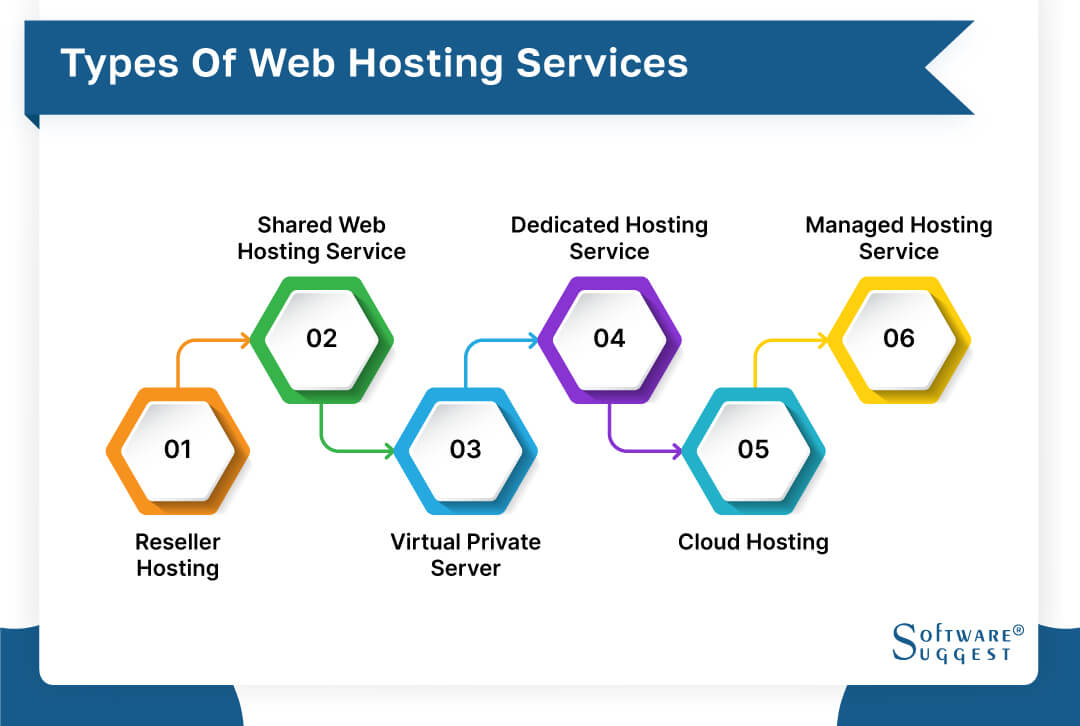
Credit: www.softwaresuggest.com
Choosing The Right Web Hosting Software
Understanding your business needs is crucial. Do you have a small or large business? A small business may need less storage space. Large businesses often need more resources. Think about your website traffic. More visitors need more bandwidth. Consider what features are essential for you.
Budget is important in choosing the right software. Some options are expensive. Others are more affordable. Think about your budget limits. Some hosting services offer free trials. This can help you decide. Compare prices and features. Choose what fits your budget best.
Scalability is about growing with your needs. Your business may grow over time. You will need more resources. Choose software that can scale up. Some software is very flexible. It can handle more traffic. Make sure it can adapt as you grow.
Future Trends In Web Hosting
Cloud hosting is growing fast. Many businesses use it now. It offers flexibility and scalability. You pay only for what you use. This saves money. Data is stored safely. Access it from anywhere, anytime. Performance is better. More reliable than traditional hosting.
Web hosting uses a lot of energy. Green hosting aims to reduce this. Companies use renewable energy sources. Solar and wind power are common. They focus on eco-friendly practices. Reduce carbon footprint and save the planet. Many users prefer green options. It shows commitment to the environment.
AI is changing web hosting. It can predict server needs. Helps in automating tasks. AI improves security by spotting threats early. Also, it makes hosting more efficient. AI can manage resources better. This leads to faster websites. Customers get better service.

Credit: technologyadvice.com
Frequently Asked Questions
What Is A Web Hosting Program?
A web hosting program provides space on a server for websites to be accessible online. It stores website files, ensuring they are available 24/7. Hosting services offer various plans, including shared, dedicated, and VPS hosting, catering to different needs and budgets.
What Is Web Hosting And An Example?
Web hosting is a service that stores and delivers website files on the internet. An example is Bluehost, which offers various hosting plans for businesses and individuals.
What Are The 3 Types Of Web Hosting?
The three types of web hosting are shared hosting, VPS hosting, and dedicated hosting. Shared hosting is affordable, ideal for beginners. VPS hosting offers more control and resources. Dedicated hosting provides exclusive server use, suitable for high-traffic websites. Choose based on your website needs and budget.
What Is Web Hosting And Why Do I Need It?
Web hosting stores your website’s data on a server, making it accessible online. It’s essential for your website to be visible on the internet. Quality hosting ensures speed, security, and reliability. Choose a provider that offers good support and scalability options for future growth.
Conclusion
Web hosting software is essential for managing websites efficiently. It provides the tools needed to keep your site running smoothly. Understanding its features can help you choose the best option. Consider your needs and budget when selecting software. Remember, good hosting enhances your website’s performance and security.
It supports growth by handling more traffic. A reliable hosting service keeps your website available to users. Investing time in research pays off in the long run. Choose wisely and ensure your website’s success online.


