
Are you curious about how websites make their way onto the internet? Or perhaps you’ve wondered how your favorite blogs and online stores stay accessible 24/7?
The answer lies in web hosting services. Imagine your website as a house, and web hosting is the plot of land on which it stands. Without it, your digital presence would have nowhere to live. We’ll unravel the concept of web hosting services in simple terms.
You’ll discover why it’s essential for anyone looking to establish an online presence. Whether you’re planning to launch a personal blog, a startup website, or an online store, understanding web hosting is crucial. Keep reading, and you’ll find out how the right web hosting service can be the key to your online success.

Credit: www.easysite.com
Types Of Web Hosting
Shared hosting is like living in an apartment. Many websites share one server. It’s cheap and easy to use. Good for small sites and beginners. But, it can be slow if many websites are busy. If one site uses too much space, others might get less.
VPS hosting means Virtual Private Server. It’s like a private room in a shared house. You get more space than shared hosting. It’s faster and more secure. Better for growing sites. You share the server, but have your own resources.
Dedicated hosting is like having your own house. One server for one website. It’s expensive but very powerful. Perfect for big sites. You get full control over the server. No sharing, so it’s very safe.
Cloud hosting uses many servers. It’s like living in a big network. If one server fails, others help. It’s scalable, so you can grow easily. You only pay for what you use. Best for websites needing flexibility.

Credit: pixelfiremarketing.com
Key Features
Bandwidth is like a road for data. It shows how much data can move at once. Storage is where your website’s files live. More storage means more room for pictures, text, and videos. It’s like having a bigger backpack for school. Choose plans with enough bandwidth and storage for your needs.
Security keeps websites safe. It stops bad people from causing harm. Firewalls and SSL certificates are like strong locks on doors. These locks protect the website and keep it safe. Always use good security to keep data safe.
Uptime means the time a website is online. High uptime is important. It ensures people can visit the site anytime. A good host promises 99% uptime. This means the site rarely goes down.
Customer support helps when things go wrong. They answer questions and fix problems. Good support is available all day. It makes sure help is there whenever needed. Choose hosts with 24/7 support for peace of mind.
Choosing The Right Provider
Knowing your website’s needs is crucial. Web hosting services offer different features. Some sites need more storage. Others need faster speed. Identify what your site requires. This helps in choosing a suitable provider.
Hosting services vary in cost. Budget is important. Some providers offer cheap plans. Others are more expensive. Compare prices and features. Choose what fits your pocket. Remember, quality matters too.
A provider’s reputation is key. Good providers have positive reviews. Check online ratings. Ask friends for advice. Trustworthy providers offer better services. Your website deserves the best care.
Websites grow over time. Scalability is important. Some providers offer flexible plans. You can upgrade when needed. Ensure your provider supports growth. A scalable plan is a smart choice.
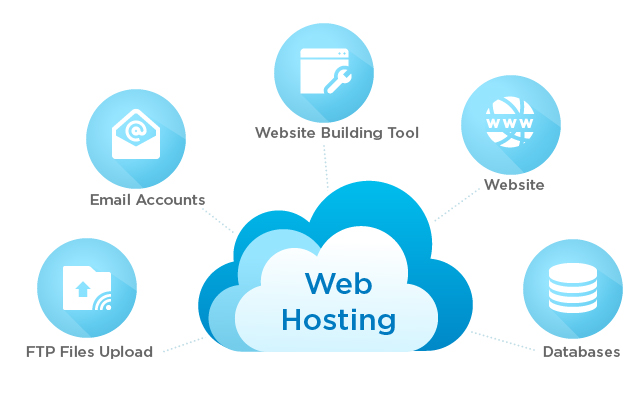
Credit: petalhost.com
Benefits Of Web Hosting
Web hosting makes websites fast and smooth. People like fast websites. A quick site keeps visitors happy. They stay longer and explore more. Slow sites can frustrate users. Fast performance can improve your website’s rank. Search engines like speedy sites. So, choose a good hosting service. It can make all the difference.
Web hosting offers email accounts for your domain. This looks professional and trustworthy. It helps in building brand image. You can create many email addresses. They match your website name. It’s better than using free email accounts. Customers trust brands with professional emails. It shows seriousness and dedication.
With web hosting, you can change your site as you wish. It offers many tools and options. This helps in creating unique designs. You can add features that you need. Flexibility is key for growth. A good host allows you to expand easily. As your business grows, your site can too.
Common Pitfalls
Some companies have hidden fees
Many websites share one server. This is called an overcrowded server. It slows down your website. Your site may crash. It is frustrating for users. They might leave your site. Choose a host with fewer sites per server. Your site will work better. People will have a good experience.
Some hosts give limited resources. You get less space for your site. Less space means fewer pictures and videos. Your site can become slow. It is hard to add new features. Check the plan details. Make sure you get enough space. More resources mean a better site. Your site can grow easily.
Future Trends
Web hosting services provide space on the internet for websites. They store data and make sites accessible online. Businesses and individuals use hosting to share information globally.
Green Hosting
Green Hosting is about using less energy. It helps the Earth. Web hosts now use wind and solar power. This means less pollution. People like using green web hosts. It makes them feel good. Green hosting is good for the future.
Ai Integration
AI helps web hosting. It makes things faster and easier. AI can fix problems quickly. This means less wait time for users. AI also makes websites secure. AI is becoming a part of web hosting.
Edge Computing
Edge computing brings data closer to users. It makes websites faster. Users get better experiences. Edge computing helps with large files. It also uses less bandwidth. More companies are using edge computing. It is important for web hosting.
Frequently Asked Questions
What Does A Web Hosting Service Do?
A web hosting service stores your website’s files on servers. It makes your site accessible online. Hosting ensures website speed, security, and uptime. It provides technical support and resources like bandwidth and storage. Different hosting types cater to various needs, from personal blogs to large businesses.
What Is An Example Of A Web Hosting Service?
An example of a web hosting service is Bluehost. It offers reliable hosting solutions for websites, ensuring fast loading times and excellent uptime. Bluehost provides various plans suitable for different needs, from personal blogs to large e-commerce sites, and includes features like domain registration and customer support.
What Are The 3 Types Of Web Hosting?
The three types of web hosting are shared, VPS, and dedicated hosting. Shared hosting shares server resources among multiple websites. VPS hosting offers a virtual private server with dedicated resources. Dedicated hosting provides an entire server for one website, ensuring maximum control and performance.
Can I Run My Website Without Hosting?
No, a website needs hosting to store files and make it accessible online. Hosting provides the server space. Without hosting, your site can’t be live on the internet. Consider reliable hosting options to ensure your website’s performance and security.
Conclusion
Web hosting services keep websites running smoothly. They provide space on servers. This helps your site stay online and accessible. Choosing the right web host is essential. It affects your site’s speed and reliability. Think about your site’s needs before deciding.
There are many hosting options available. Shared hosting is affordable, while dedicated hosting offers more control. Don’t rush the decision. Take time to compare services. Reliable hosting helps your website succeed. Remember to consider customer support. Good support makes solving issues easier.
Make an informed choice for your online presence.


