
Have you ever wondered how your favorite podcast magically appears in your app, ready for your listening pleasure? The secret behind this digital wizardry is web hosting for podcasts.
If you’re diving into the world of podcasting, understanding web hosting is crucial to sharing your voice with the world. But what exactly is it, and why does it matter for your podcasting success? Imagine your podcast as a lively party, filled with intriguing conversations and stories.
Web hosting is the venue where your party takes place. Without a proper venue, your guests (or listeners) might have nowhere to go. We’ll unravel the mysteries of podcast hosting, show you why it’s essential, and help you choose the best options for your unique needs. Stick around, and you’ll be equipped to make smart decisions that will elevate your podcasting game. Ready to make your podcast the next big hit? Let’s dive in!
Basics Of Podcast Web Hosting
Podcast web hosting helps you share your audio online. It stores your podcast files on a server. This server lets people download or stream your episodes. With good hosting, your podcast can reach many listeners. It also helps keep your files safe and organized.
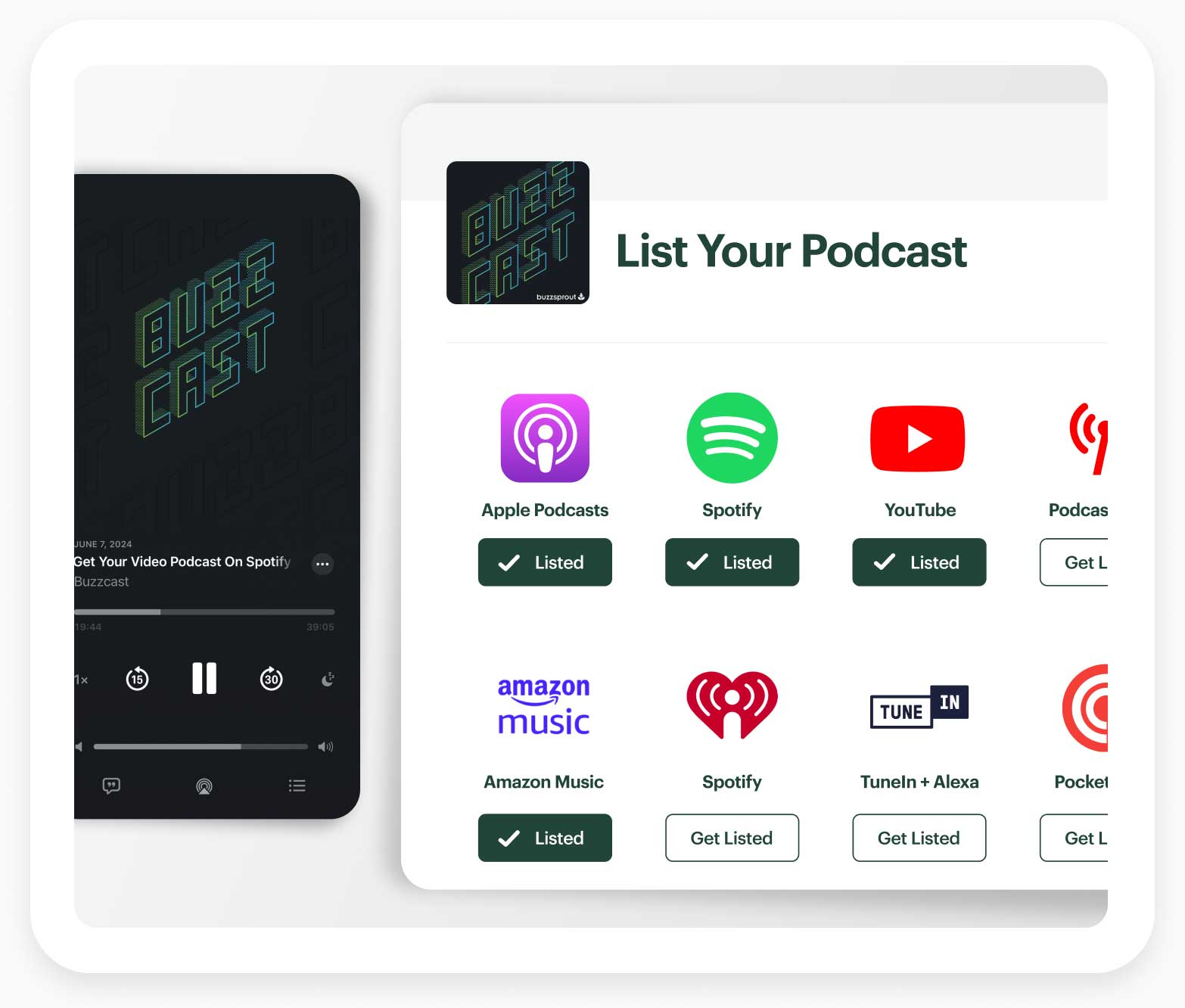
Some hosts offer statistics. This means you can see how many people listen to your podcast. It can be fun to watch your audience grow. Many hosts also provide RSS feeds. These feeds help your podcast appear on platforms like iTunes or Spotify.
You might want a host with easy-to-use tools. This makes uploading episodes simple. Some hosts even have built-in editing software. This can save you time and effort. Choose a host that fits your needs and budget. It’s important for your podcast’s success.
Credit: www.buzzsprout.com
Types Of Podcast Hosting Services
Shared hosting is a budget-friendly choice. Many podcasts use one server. This means they share resources. If one podcast gets busy, others may slow. It’s like sharing a playground. Everyone waits for their turn. This is okay for new podcasts. Not for big ones.
Dedicated hosting gives a podcast its own server. No sharing here. It’s like having a private room. Faster speeds and more control. This suits big podcasts well. They need reliability. But it costs more. So, only choose this if needed.
Virtual Private Server, or VPS, is in the middle. It acts like a small private server. But, it’s still on a bigger server. It’s like having a section of a big house. More control than shared hosting. Less cost than dedicated hosting. A good choice for growing podcasts.
Features To Consider
Storage is important for podcasts. Podcasts need space for audio files. More episodes mean more storage. Bandwidth affects how fast users get your podcast. High bandwidth ensures smooth streaming. Unlimited bandwidth is best for popular podcasts. Be careful with limited plans. They can slow down your podcast. Choose wisely.
Analytics show how many listen. Knowing listener numbers is key. Metrics help track success. See which episodes are popular. Learn the average listen time. Improve content with these insights. Good analytics can guide decisions. Always check for detailed metrics.
A simple user interface is crucial. Easy navigation saves time. Clear buttons make tasks simple. Intuitive interfaces are best. Confusing layouts frustrate users. User-friendly designs are preferred. Look for features that simplify tasks.

Credit: lowerstreet.co
Popular Podcast Hosting Platforms
Anchor is a user-friendly platform for podcast hosting. It lets users create and publish podcasts easily. It offers free hosting with unlimited storage. Users can also monetize their podcasts through Anchor. The platform supports distribution to major podcast apps. It is ideal for beginners.
Buzzsprout is known for its simple interface. It provides detailed analytics for podcasters. Users can track their listeners and downloads. Buzzsprout offers free and paid plans. It also supports automatic distribution to popular platforms. Podcasters can easily manage their episodes here.
Libsyn is a trusted name in podcast hosting. It offers advanced features for professionals. Users get complete control over their content. Libsyn supports customizable RSS feeds and detailed stats. It also offers monetization options. Podcasters can create premium content with ease.
Benefits Of Dedicated Podcast Hosting
Podcasts need fast loading. Dedicated hosting ensures quick delivery. It handles many listeners at once. No lag or delay. Listeners enjoy better sound quality. Hosts get stable connections. This improves overall performance. Many podcasts choose dedicated hosting for this reason.
Protecting content is vital. Dedicated hosting offers strong security. It keeps data safe. Stops hackers from accessing your files. Listeners’ info stays private. Hosts get peace of mind. Security features are top-notch. Protects against online threats. Ensures safe podcasting.
Dedicated hosting allows personalization. Hosts can change settings. Choose themes and layouts. Add unique features. Make the podcast standout. Customizable options help branding. Tailor the experience for listeners. Hosts can make their podcast unique. This attracts more audience.
How To Choose The Right Hosting
Choosing the right host depends on your budget. Some plans are cheap, while others cost more. Free hosting might save money but may lack features. Paid plans often offer more storage and bandwidth. These are important if you expect many listeners. Always check what the package includes. Make sure you get what you pay for.
Good support is like having a helpful friend. Some hosts offer 24/7 support, others only during business hours. Check if they have live chat or phone support. These options help solve problems fast. Reading reviews can tell you if the support team is good or bad. Always choose a host that is ready to help.
Podcasts can grow fast. A host should allow easy scaling. Scalability means you can expand as your podcast grows. Look for hosts that offer flexible plans. These plans help you add more features when needed. Always ask if you can upgrade easily. This ensures you won’t switch hosts later. Growing should be smooth and simple.
Common Challenges In Podcast Hosting
Podcasts can face many technical glitches. Files can become corrupted. Uploads might fail. Audio quality sometimes drops. These issues can upset listeners. Hosts must check equipment. Regular updates help. Testing before recording is wise.
Bandwidth limits can be tricky. Too many listeners can slow downloads. Limited bandwidth can cause buffering. Podcasts need smooth streaming. Choosing the right plan is key. Check how much bandwidth is needed. Upgrade if your audience grows.
Data privacy is vital. Hosts must protect listener info. Breaches can harm trust. Secure platforms are a must. Encrypt data to keep it safe. Regular checks prevent leaks. Privacy policies should be clear.
Future Trends In Podcast Hosting
Cloud hosting is changing podcast hosting. It offers easy access to podcasts. You can listen from anywhere. Storage is often unlimited. This is great for large files. Podcasts are safe in the cloud. There is less worry about losing data. Updates are automatic. This keeps the system running smoothly. Cloud hosting is affordable. Many people can use it. This makes it popular.
AI is becoming a part of podcast hosting. It helps with editing. This saves time. AI can make podcasts sound better. It suggests changes. Hosts can use AI for research. It finds information fast. AI can also write scripts. This helps hosts plan shows. Speech recognition is part of AI. It makes podcasts more interactive. Listeners can talk to the podcast.
Podcasts are getting more interactive. Listeners can give feedback. They can answer questions. This makes podcasts fun. Hosts can ask listeners to vote. This helps with show topics. Some podcasts have live chats. People can talk with the host. This builds a community. Interactive features are growing. They make podcasts exciting. Everyone likes to join in.

Credit: www.greengeeks.com
Frequently Asked Questions
What Is A Podcast Hosting Site?
A podcast hosting site stores and distributes podcast files online. It provides analytics, RSS feeds, and streaming services. These platforms facilitate publishing and managing episodes, ensuring seamless delivery to listeners. Popular options include Libsyn, Podbean, and Anchor. They help podcasters reach wider audiences efficiently.
Do Podcast Hosts Make Money?
Yes, podcast hosts can earn money through sponsorships, advertising, merchandise sales, and listener donations. They may also gain revenue from paid subscriptions or exclusive content offerings. Successful podcasts often attract advertisers willing to pay for access to their audience. Building a loyal following is crucial for monetization.
What Does The Host Of A Podcast Do?
A podcast host introduces episodes, engages with guests, and guides conversations. They research topics and ensure smooth discussions. The host also connects with the audience, promoting the podcast on social media. They manage the show’s tone and pace, ensuring content is engaging and relevant to listeners.
Do I Need A Website If I Have A Podcast?
Yes, having a website boosts your podcast’s visibility and credibility. It centralizes your content, aids SEO, and attracts more listeners. A website also allows for audience interaction through comments and subscriptions, enhancing engagement.
Conclusion
Choosing the right web hosting is vital for podcast success. It ensures your content reaches listeners smoothly. Good hosting offers reliability and speed. These are essential for a positive listener experience. Also, consider storage and bandwidth needs. They grow as your podcast audience expands.
Secure hosting protects your content and data. Keep these factors in mind when selecting a provider. Investing in quality hosting supports your podcast’s growth. It helps you reach and engage more listeners. Start with a reliable host today, and set your podcast up for success.


