
Are you ready to unlock the secrets of the online world? If you’re planning to start a website or simply curious about the digital landscape, understanding the terms “web hosting” and “domain” is crucial.
These two components are the backbone of every website, but what do they really mean for you? Imagine your website as a home on the internet. The domain is like the address where people can find you, while web hosting is the physical space where your website lives.
Grasping these concepts not only empowers you to make informed decisions but also gives you the confidence to create and manage your online presence effectively. Dive into this article to discover how web hosting and domains work together, why they matter to you, and how they can impact your digital success. Let’s demystify these terms and set you on the path to becoming a savvy web user.
Web Hosting Basics
Web hosting is like renting space on the internet. Your website lives on a server. This server makes your site accessible to everyone. Think of it as a home for your website. Without hosting, your site can’t be seen. It’s a crucial part of having a website. Hosting keeps your website online and running.
There are several types of web hosting. Shared hosting is the most common. Here, many sites share one server. It’s affordable but can be slow. Dedicated hosting gives you a whole server. It’s expensive but faster. VPS hosting is in the middle. You share a server but have your own space. Cloud hosting uses many servers for flexibility.
Domain Name Essentials
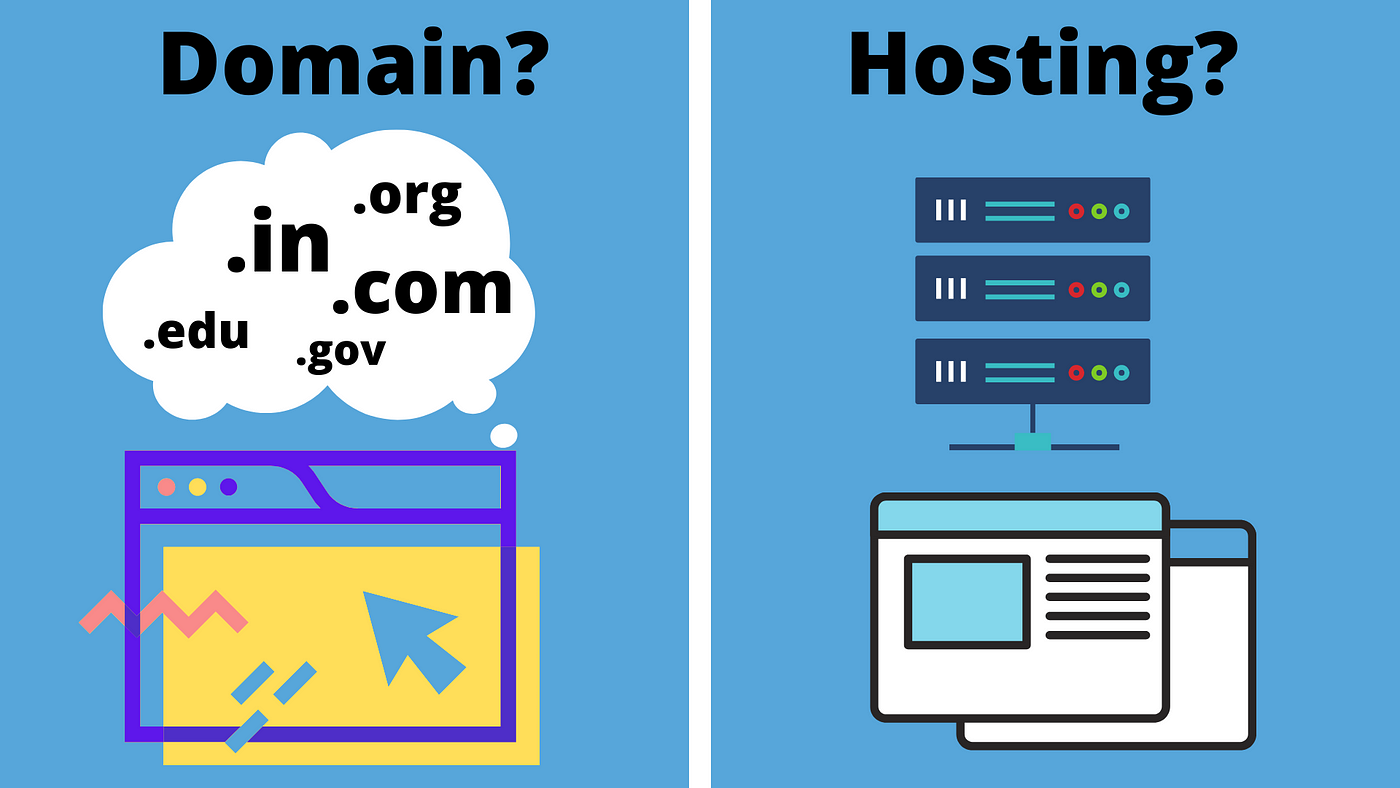
A domain name is like a street address. It helps people find your website. Each domain name is unique. It is made of two parts: the name and the extension. The name is your choice. The extension is usually .com or .net. Choosing a good domain name is important. It makes your site easy to find.
Picking the right domain name is key. Use simple words. Make it easy to spell. Short names are better. Avoid numbers and hyphens. They can confuse people. The name should match your site. A strong name helps your brand. Think of words people might search. This can help your site appear in searches.
How Web Hosting And Domains Work Together
Web hosting and domains are like a house and its address. A domain is the address people type to visit a website. The web hosting is the house where the website lives. Together, they make a website visible online.
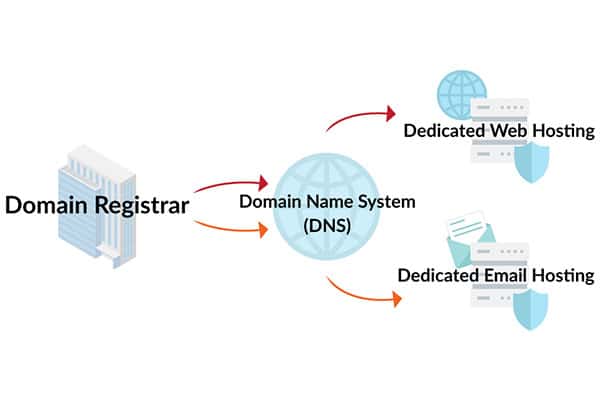
Domains need a host to show a website. You buy a domain from a registrar. Then, you point it to your hosting provider. This is like telling the address where the house is built. It helps people find the site easily.
DNS stands for Domain Name System. It works like a phone book. It matches domain names to IP addresses. These IP addresses tell computers where to find websites. DNS makes it easy to visit sites using names instead of numbers.
Credit: mayankavasthi.medium.com
Popular Web Hosting Services
Shared hosting is very common. Many websites use it. It is cheap and easy. Sites share resources on one server. It’s good for small websites. Traffic is usually low. Resources are divided among users. So, performance can be slow. Security is basic. Great for beginners.
Dedicated hosting is more advanced. One server hosts one website. No sharing with others. Performance is excellent. Security is strong. It costs more than shared hosting. Best for large websites. High traffic is no problem. Control is complete. Custom setups are possible.
Cloud hosting is flexible. It uses many servers. Resources change with needs. Traffic spikes are handled well. Costs vary based on use. Reliability is high. It is scalable. Good for growing websites. Setup is quick. Multiple backups are easy.
VPS stands for Virtual Private Server. It is like shared hosting. But better. Resources are more private. Control is better. Security is stronger. Costs are higher than shared hosting. Good for medium websites. Traffic is manageable. Custom settings are possible.
Registering A Domain
Domain registrars are companies that help you buy a domain. They keep track of who owns which domain. Many options are available online. Choose a trusted registrar. Look for good prices and customer service. Read reviews from other users. This helps you find the best option. Popular registrars include GoDaddy and Namecheap.
- Choose a name for your domain.
- Search to check if it is available.
- Select a registrar to buy the domain.
- Fill out your personal information.
- Pay the fee for your domain.
- Confirm your domain registration.
Factors To Consider When Choosing A Hosting Provider
Servers should be reliable. Downtime means a website is unavailable. This can frustrate users. Choose a provider with a strong uptime track record. Uptime guarantees are essential. A higher uptime percentage is better. Look for providers offering 99.9% uptime. This ensures your site remains accessible.
Support is crucial. Problems can arise anytime. A provider should offer 24/7 support. Live chat and phone support are helpful. Quick responses make a difference. Friendly staff can ease stress. Check reviews for support quality. Good support can solve issues fast.
Budget matters. Compare different plans. Look for hidden fees. Some providers offer discounts. Consider features included in plans. Storage and bandwidth are important. Choose a plan that meets your needs. Affordable doesn’t mean cheap. Value for money is key.
Setting Up Your First Website
A Content Management System (CMS) helps you build websites. Popular CMS options include WordPress, Joomla, and Drupal. These tools are easy to use. First, download the CMS software. Next, upload it to your web host. Many hosts offer a one-click installer. This makes setup fast. Once installed, you can start creating your site.
Files like images and documents need uploading. Use an FTP client for this. FileZilla is a popular choice. It connects your computer to the web server. Drag and drop files to upload them. Always name files clearly. This helps you find them later. Check file sizes. Large files may slow your site.
Content is what visitors see. Text, images, and videos are types of content. Use the CMS to add or edit these. Keep text clear and simple. Use headings to organize information. Regular updates keep your site fresh. Always check for errors. A well-managed site attracts more visitors.
Credit: momentum3growth.com
Common Web Hosting Issues
Websites can go offline. This is called downtime. Downtime can be due to server problems. Regular checks help find these problems. Ensure servers are up and running. Use tools to check website status. This helps in quick recovery. Always have a backup plan. Backups save time and data.
Websites need to be safe. Hackers try to attack. Use strong passwords. Update software often. Security plugins are helpful. They protect from threats. SSL certificates keep data safe. Always monitor website activity. Report any suspicious actions. Keep data and users secure.
Fast websites keep users happy. Slow websites lose visitors. Optimize images for speed. Use caching to reduce load time. Minimize scripts and stylesheets. Regularly test website speed. Use tools to find slow areas. Fix these areas quickly. Better performance means more visitors.
Future Of Web Hosting
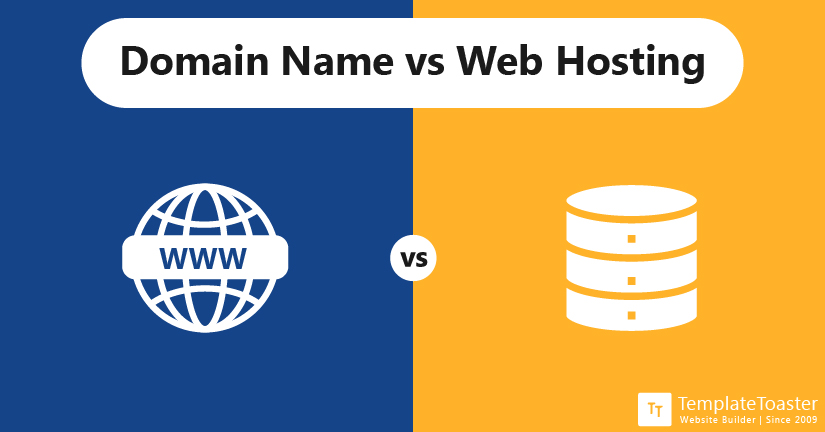
Web hosting domain is like renting a space online for your website. It allows users to access your content through the internet. As technology advances, web hosting is evolving to offer faster, more secure, and reliable services.
Emerging Technologies
The future of web hosting is exciting. New technologies are changing how we host websites. Cloud hosting is becoming more popular. It offers flexibility and scalability. Websites can grow without limits. Artificial Intelligence is helping in better management. It predicts traffic spikes and adjusts resources. Blockchain technology is also joining the hosting world. It promises security and transparency. Hosting is becoming faster and more reliable.
Trends In Hosting Services
Hosting services are changing fast. Green hosting is gaining attention. It uses less energy. This helps the environment. Managed hosting is growing too. Many businesses prefer it. It offers ease and expert support. Shared hosting is still popular. It is cheap and easy to use. Virtual Private Servers are also on the rise. They offer control and better performance. Hosting trends are moving towards speed and efficiency.
Credit: blog.templatetoaster.com
Frequently Asked Questions
What Is Web Hosting And Domain?
Web hosting stores your website files on servers for online access. A domain is your site’s unique address, like “example. com. ” Together, they enable users to visit your site. Hosting ensures your site is live, while the domain directs visitors to it.
What Is An Example Of A Domain And Hosting?
A domain example is “example. com,” which represents your website’s address. Hosting is a service storing website files, like Bluehost. Together, they make your website accessible online.
Do I Need Web Hosting If I Have A Domain Name?
Yes, you need web hosting to make your website accessible online. A domain name is just the address. Web hosting stores your website’s files, making them available on the internet. Both are essential for a functional website. Choose a reliable hosting provider for the best performance and support.
Is Godaddy A Host Or Domain?
GoDaddy offers both domain registration and web hosting services. As a domain registrar, it helps you secure domain names. As a web host, it provides server space to host your website. It is a versatile platform for managing domains and hosting websites.
Conclusion
Understanding web hosting and domains is crucial for your online presence. Hosting stores your website files. Domains are your site’s address. Together, they make your website accessible to users. Consider your needs when choosing a host and domain. Reliable services ensure smooth website operations.
Secure and responsive hosting boosts user trust. Choose a memorable domain name. It helps users find your site easily. Remember, your website represents you online. Proper hosting and domain selection are key. They shape your digital identity. Always prioritize quality and reliability.
Keep your site user-friendly. That’s the essence of web hosting and domains.


