
Are you diving into the world of websites and feeling overwhelmed by terms like “web hosting companies”? Don’t worry, you’re not alone.
Understanding what web hosting companies do is crucial if you’re planning to launch a website or blog. These companies are the backbone of your online presence, ensuring your site is accessible to the world 24/7. By the end of this article, you’ll have a crystal-clear understanding of web hosting companies and why choosing the right one is vital for your website’s success.
Get ready to unlock the secrets behind these digital powerhouses and discover how they can transform your online experience. Keep reading to find out how you can make the best choice for your needs.
Types Of Web Hosting
Shared hosting means your website shares a server. Many sites use the same resources. This is cheap and easy to use. Perfect for small sites. But, if one site gets busy, others slow down. This is a common choice for new websites.
VPS hosting gives you a part of a server. It acts like your own. More power than shared hosting. Good for growing sites. VPS stands for Virtual Private Server. Costs more than shared hosting but offers better performance. Your site runs faster.
Dedicated hosting means you have a whole server. All for your site. This is best for big websites. Offers maximum control and speed. Very reliable but costs more. Great for sites with lots of visitors. You won’t share resources with others.
Cloud hosting uses many servers. If one fails, others help. This gives flexibility and scalability. Good for handling traffic spikes. Your site stays online. Costs can vary. Pay for what you use. It’s a smart choice for dynamic needs.
Managed hosting means the host handles technical tasks. They update software and protect against threats. You focus on your site. Perfect for those with less tech skills. It offers peace of mind. Costs more, but saves time and effort.
Credit: www.techradar.com
Key Features To Consider
Every website needs bandwidth and storage. Bandwidth is data transfer. More visitors need more bandwidth. Storage is for your site’s files. Photos, videos, and text need storage space. Choose a plan that fits your needs.
Sites must stay online. Uptime guarantee is important. Hosting companies promise uptime. 99% uptime is good. Higher is better. It means fewer downtimes. Your site is always available. Customers can visit anytime.
Security keeps your site safe. Firewalls and SSL certificates protect data. Hackers want your information. Strong security measures stop them. Choose hosts with good security features. Safety is key.
Help is needed sometimes. Customer support solves problems. Good support is available 24/7. Quick responses are best. Live chat and phone support are helpful. Choose hosts with great support.
Popular Web Hosting Providers
Many companies offer web hosting services. Some are more popular than others. Bluehost is known for its reliable service. HostGator offers affordable plans. SiteGround is praised for its customer support. Each has its own strengths and weaknesses.
Here’s a simple comparison:
| Company | Price | Features |
|---|---|---|
| Bluehost | $2.95/month | Free domain, 24/7 support |
| HostGator | $2.75/month | Unlimited storage, easy site builder |
| SiteGround | $3.99/month | Fast servers, secure SSL |
Each company has unique offerings. Bluehost provides free domains. HostGator gives unlimited storage. SiteGround excels in security. Choosing depends on needs. What suits one may not suit another. Understanding these offerings helps in decision-making. Consider your website’s requirements carefully.
Credit: www.hostinger.com
Cost And Pricing Models
Free hosting is a no-cost service. It is great for beginners. Most free options have limited features. They may have ads on your site. The storage and bandwidth are often small. Security might not be strong. It is best for small projects.
Paid plans offer more features. Prices start low and can go high. You pay monthly or yearly. More storage, bandwidth, and support are often included. Choose a plan that fits your needs. Always check what the plan offers.
Some hosts have extra charges. These might be for domain registration. Or for SSL certificates. Sometimes for backup services. Always read the fine print. Know what you are paying for.
Choosing The Right Hosting
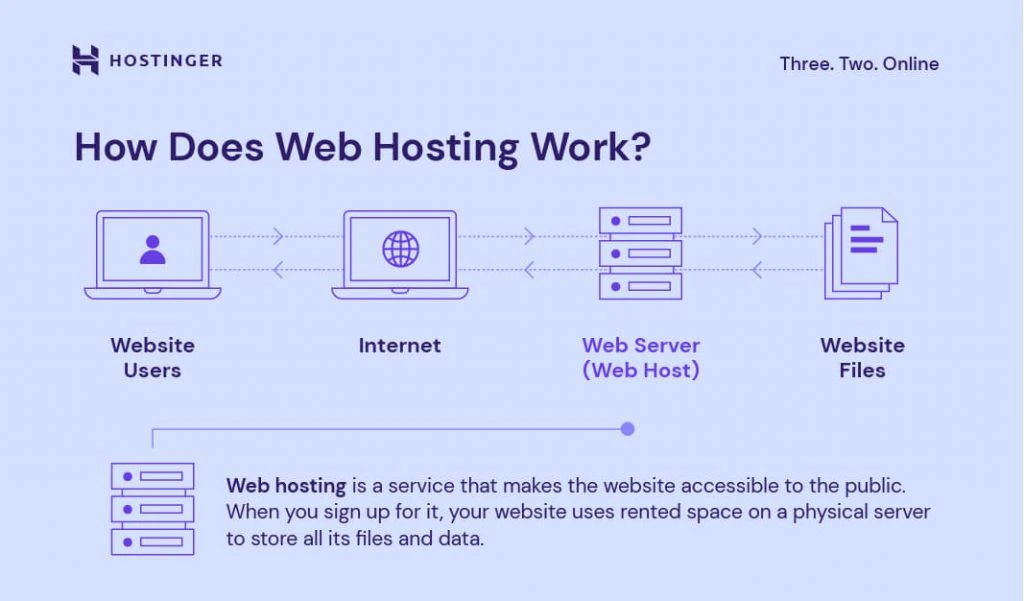
Selecting the ideal hosting company requires understanding web hosting basics. These companies provide space for your website online. Reliable hosts ensure fast load times and secure data handling, making them crucial for your website’s success.
Assessing Your Needs
Picking the right web hosting is very important. First, think about what you need. Do you want a small website or a big one? Small sites need less space. Big sites need more. Check the storage and bandwidth offered. These are important for your site’s performance.
Scalability Considerations
Scalability means growing your website when needed. A good host lets you easily add more space. This helps if your website gets popular. You don’t want your site to crash. Make sure the host offers easy upgrades. This keeps your site running smoothly.
Future Trends In Web Hosting
Web hosting is getting faster with new technology. Cloud hosting is very popular now. It uses many servers to keep websites online. This means websites can handle more traffic. Another new technology is AI. AI helps to manage servers. It makes sure everything runs smoothly. Also, server security is much better now. Hackers find it hard to break in.
Many companies now focus on eco-friendly hosting. They use green energy for their servers. Solar and wind power are common choices. This helps reduce carbon footprints. Some companies plant trees for every new customer. Others buy green energy credits. These efforts help the planet. They also attract customers who care about the environment.
Credit: www.transpacific-software.com
Frequently Asked Questions
What Does A Web Hosting Company Do?
A web hosting company provides the technology and services needed for websites to be viewed on the internet. It stores your website’s files on secure servers and ensures accessibility for users. They offer various hosting plans, including shared, VPS, and dedicated hosting, to meet different website needs.
What Is Web Hosting With An Example?
Web hosting is a service that stores and makes websites accessible online. For example, WordPress offers hosting plans for site owners.
What Are The 3 Types Of Web Hosting?
The three types of web hosting are shared hosting, VPS hosting, and dedicated hosting. Shared hosting involves sharing server resources among multiple websites. VPS hosting offers a virtual private server, providing more control and resources. Dedicated hosting provides an entire server exclusively for one website, ensuring maximum performance and customization.
How Much Do I Pay To Host A Website?
Website hosting costs vary from $3 to $300 per month. Prices depend on factors like hosting type, features, and provider. Shared hosting is cheaper, while dedicated hosting costs more. Consider your website’s requirements and budget when choosing. Compare different plans for the best deal.
Conclusion
Web hosting companies play a crucial role online. They store your website files. Connect your site to the internet. Offer support and security. Choosing the right host is important. It affects site speed and reliability. Research different providers carefully. Compare features and prices.
Consider your website needs. Look for good customer reviews. Reliable support is essential. A trustworthy host enhances online presence. Better performance attracts more visitors. Make an informed choice. Your website depends on it. Secure hosting leads to success. Find a provider that fits your budget.
Start building your website today. Enjoy a smooth online experience!


