
Ever wondered how web hosting fits into the world of accounting? You’re not alone.
For many, the concept of web hosting is shrouded in technical jargon, while accounting feels like a realm of numbers and financial statements. But when these two worlds collide, it opens up a fascinating discussion that can directly impact your business finances.
Understanding how web hosting is categorized in accounting can be the key to better financial planning and resource allocation. Imagine being able to optimize your expenses and see clearer profit margins simply by understanding this one concept. Intrigued? Let’s dive into the specifics and uncover how this knowledge can benefit you and your business.
Web Hosting Basics
Web hosting is a service that makes websites available online. Companies provide space on servers for website files. These servers run all the time. So, websites can be seen anytime. Web hosting helps the internet work smoothly.
Web hosting allows people to access websites from their devices. It stores website data safely. This data includes text, images, and videos. Hosting providers ensure websites load quickly and stay online. They offer different plans for different needs.
Accounting Classification
Web hosting can be tricky for accounting. Is it an operating expense or a capital expense? It depends on how it’s used. If web hosting supports daily tasks, it might be an operating expense. This means regular payments and short-term benefits. But if web hosting is for a special project, it may be a capital expense. This means long-term use and benefits.
The criteria for classification include the purpose and duration of use. Check how often you pay for it. Look at how long you use it. Talk to your accountant for advice. They can help decide the right category. Understanding these differences helps in making smart financial decisions.
Capitalizing Web Hosting Costs
Web hosting costs often confuse many. Capitalizing means treating costs as an asset. Capital costs are not expenses. You record them in your balance sheet. When costs benefit future periods, capitalize them. For example, costs for long-term projects. This helps in spreading the cost over several years. Short-term costs often don’t get capitalized. Make sure to classify costs correctly. Incorrect classification affects financial health. Understanding this is crucial for accurate records.
Capitalizing web hosting changes how statements look. Assets increase on your balance sheet. Expenses reduce in the income statement. This can show more profit. Investors often see this as a positive sign. Financial statements become a tool for analysis. They help in making informed decisions. Proper classification ensures transparency. This builds trust with stakeholders. Always check guidelines for accuracy.

Credit: www.dualentry.com
Expensing Web Hosting Costs
Web hosting costs fall under operating expenses in accounting. These expenses are necessary for a business to maintain its online presence. Categorizing them correctly helps in accurate financial reporting and budgeting.
Conditions For Expense Recognition
Web hosting costs are important for businesses. These costs can be expensed if they meet certain conditions. First, the expense must be necessary for business operations. Second, it should be a regular part of running the business. Lastly, the cost must be reasonable in amount. If these conditions are met, the cost can be recorded as an expense.
Impact On Profit And Loss
Expensing web hosting affects the profit and loss statement. It reduces the net income for the period. This can impact how much profit a business shows. Lower profit might mean less money for investment. But, it helps in showing the true costs of business operations. This gives a clear picture of financial health.
Industry Practices
Web hosting is often seen as a service in accounting. Businesses pay for web hosting to keep websites online. This cost is usually recorded as an expense. Web hosting fees can be monthly or yearly. Companies budget for these expenses. It is important for businesses to track these costs.
Different sectors have their own accounting needs. For example, a tech company may spend more on hosting. They might have complex websites. A small store may have a simple site. Their hosting costs could be lower. Industries handle these expenses based on their needs. Each sector has its own budget limits.

Credit: www.baselane.com
Tax Implications
Web hosting falls under business expenses in accounting. It is usually classified as an operating cost. This helps determine tax deductions for businesses.
Tax Treatment Of Web Hosting Expenses
Web hosting costs are often seen as business expenses. They are important for running an online business. These costs can lower your taxes. This is because they are deductible. Businesses can save money by deducting these costs. It’s essential to keep all receipts. This helps with tax filings.
Differences In Tax Jurisdictions
Tax rules differ across countries. Some places have strict rules. Others might be lenient. Always check your local tax laws. It helps to know what’s deductible. Some places might not allow all deductions. This means web hosting might not reduce taxes. Businesses should consult tax experts. They can provide clear guidance. Understanding these differences is vital.
Accounting Standards
Web hosting falls under IT services in accounting. It is considered an expense for businesses. Companies pay for hosting monthly or yearly. This cost is recorded as an operational expense. Hosting is vital for website functioning. It allows websites to be accessible online.
Accounting guidelines emphasize correct expense recording. The International Financial Reporting Standards (IFRS) provide these guidelines. They help ensure consistency in financial statements. Businesses must follow these rules to maintain accuracy. The Generally Accepted Accounting Principles (GAAP) also offer guidance. These principles are crucial for US-based companies.
Both IFRS and GAAP ensure transparency. They make financial data reliable. Proper accounting leads to better business decisions. Understanding hosting costs is important for financial planning. Accurate records help in budgeting. They aid in financial analysis and forecasting.
Case Studies
Web hosting is categorized as an operating expense in accounting. It supports website functionality and requires regular payments. Businesses record these expenses to manage budgets effectively.
Real-world Examples
Web hosting can be an asset or expense. Example: A company buys hosting for its website. This is a cost for running the business. Another company uses hosting for selling products online. Here, hosting is an investment. It helps the company earn money.
Lessons Learned
Different companies see hosting differently. Some see it as a tool. Others see it as a service. It’s important to know how hosting helps your business. It affects your financial reports. Ask: Is hosting helping or costing? Decide wisely.
Future Trends
Web hosting is considered a service expense in accounting. It falls under operational costs. Businesses track it for budgeting and financial analysis.
Evolving Accounting Standards
Accounting standards are always changing. These changes help businesses. They keep records clear and fair. Web hosting costs may be recorded differently in the future. New rules could change how we see these costs. Companies must stay updated. This helps them follow the rules. It also helps them make smart decisions.
Impact Of Technological Advances
Technology is growing fast. It impacts accounting a lot. Cloud computing is popular now. It can change how we record web hosting. Automation tools help accountants work faster. They reduce mistakes. As technology improves, accounting will too. Businesses need to adapt. This keeps them competitive and efficient.
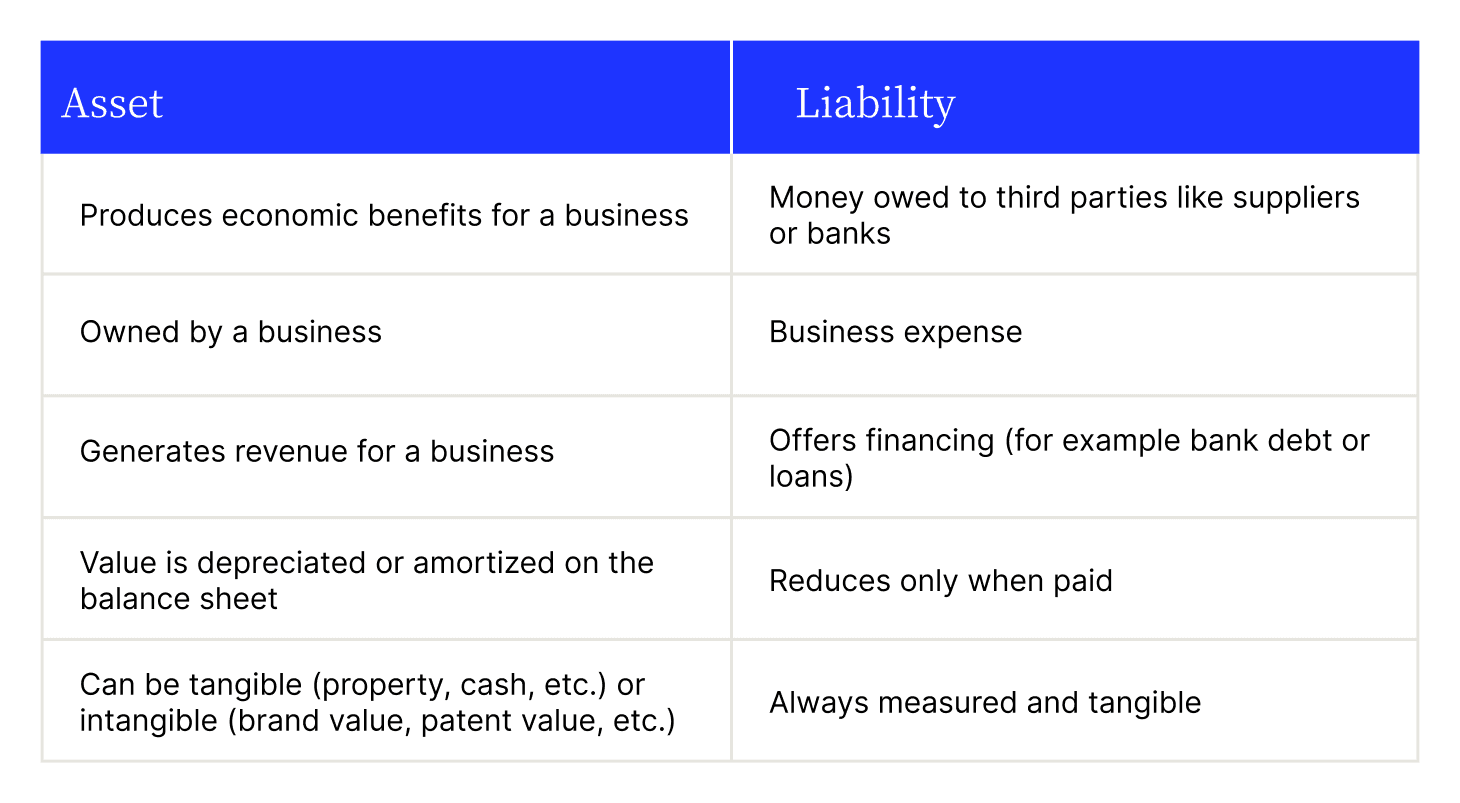
Credit: www.versapay.com
Frequently Asked Questions
What Accounting Category Is Web Hosting?
Web hosting costs fall under the “Operating Expenses” category in accounting. Businesses list it as a digital service expense. This category covers costs essential for daily operations, improving website functionality, and online presence. Proper categorization aids in accurate financial reporting and budgeting.
Is Website Hosting A Business Expense?
Yes, website hosting is a business expense. It supports online presence, crucial for business operations. Hosting fees are deductible, reducing taxable income. Always maintain documentation for expense claims. Consult a tax professional for specifics to ensure compliance.
What Is The Web Hosting Category?
Web hosting category refers to the type of service offered to host websites online. It includes shared, VPS, dedicated, and cloud hosting. Each type varies in storage, bandwidth, and control. Choosing the right category depends on your website’s needs, traffic, and budget.
What Expense Category Does A Website Fall Under?
A website typically falls under the “Marketing and Advertising” expense category. This includes costs for design, development, and maintenance. It is often considered a necessary business expense for online presence and promotion. Ensure to categorize it correctly in your accounting software for accurate financial reporting.
Conclusion
Web hosting plays a key role in accounting. It falls under operating expenses. Easy to track. Important for budgeting. Helps in business growth. Understanding its category aids financial planning. Simplifies bookkeeping. Supports transparent financial reporting. It’s crucial for small and large businesses.
Proper categorization saves time. Enhances resource management. Essential for efficient accounting practices. This knowledge benefits your business. Makes financial management smoother. Boosts your confidence in handling accounts. So, remember its importance. Keep your books accurate and organized. Your future financial success depends on it.


