
Have you ever wondered how your favorite websites are available every time you visit them? Or how your own website can reach people all over the world?
This is where web hosting comes into play. Understanding web hosting is like unlocking a secret doorway to the internet. It’s the backbone that supports every website you see online. But, there’s not just one type of web hosting—there are several, each serving different needs and purposes.
Imagine choosing the perfect home for your website, tailored to fit exactly what you want to achieve. Intrigued? Stay with us as we explore what web hosting is and uncover the different types available. You’ll discover how each type can impact your website’s performance, security, and success. By the end, you’ll know exactly which web hosting option is the best fit for you.
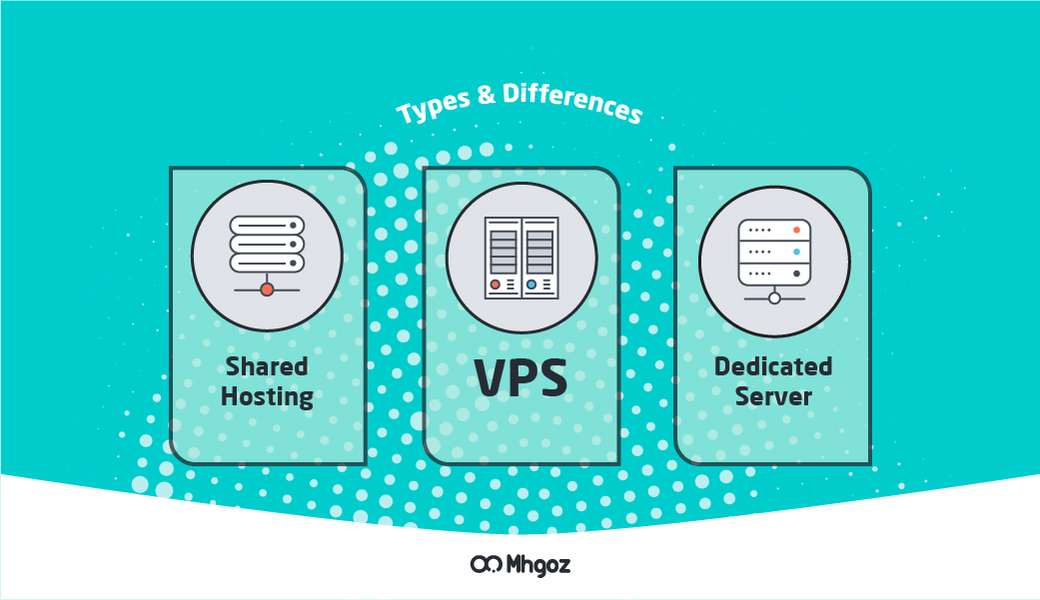
Credit: www.mhgoz.com
Web Hosting Basics
Web hosting is where your website lives. It is like renting a space for your website on the internet. Every website needs hosting to be seen online. Hosting services give you this space. They also provide tools to manage your site.
Web hosting is very important. It helps websites show up online. Without hosting, no one can see your site. Good hosting makes your site fast and safe. Visitors do not like slow websites. They leave if a site takes too long to load. Security is also very important. Hosting companies help keep your site safe from hackers.
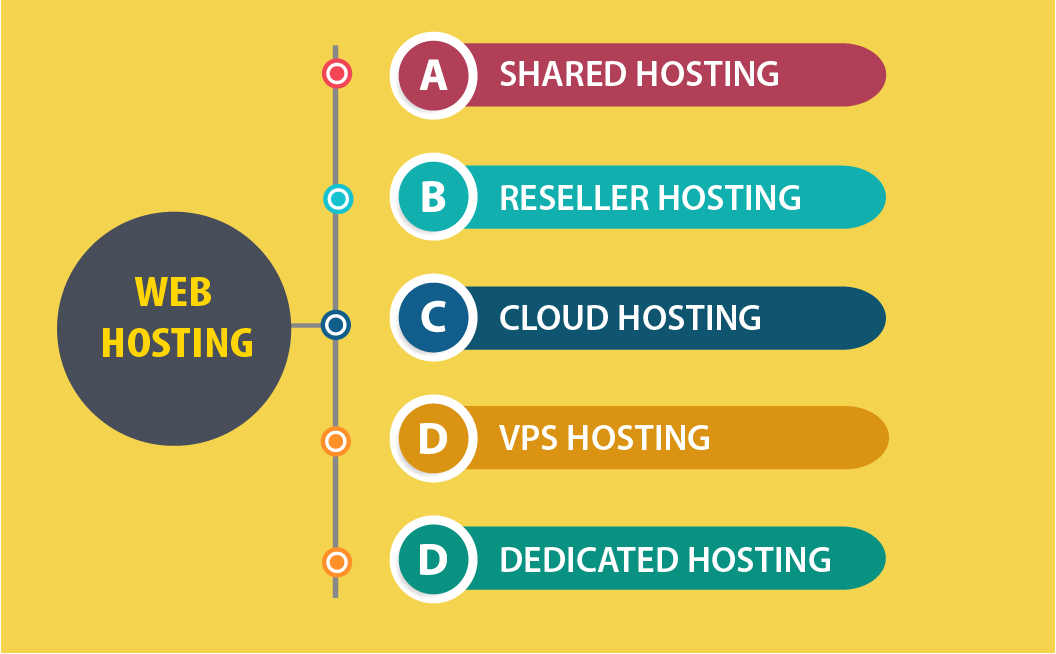
Credit: www.cloud4u.com
Shared Hosting
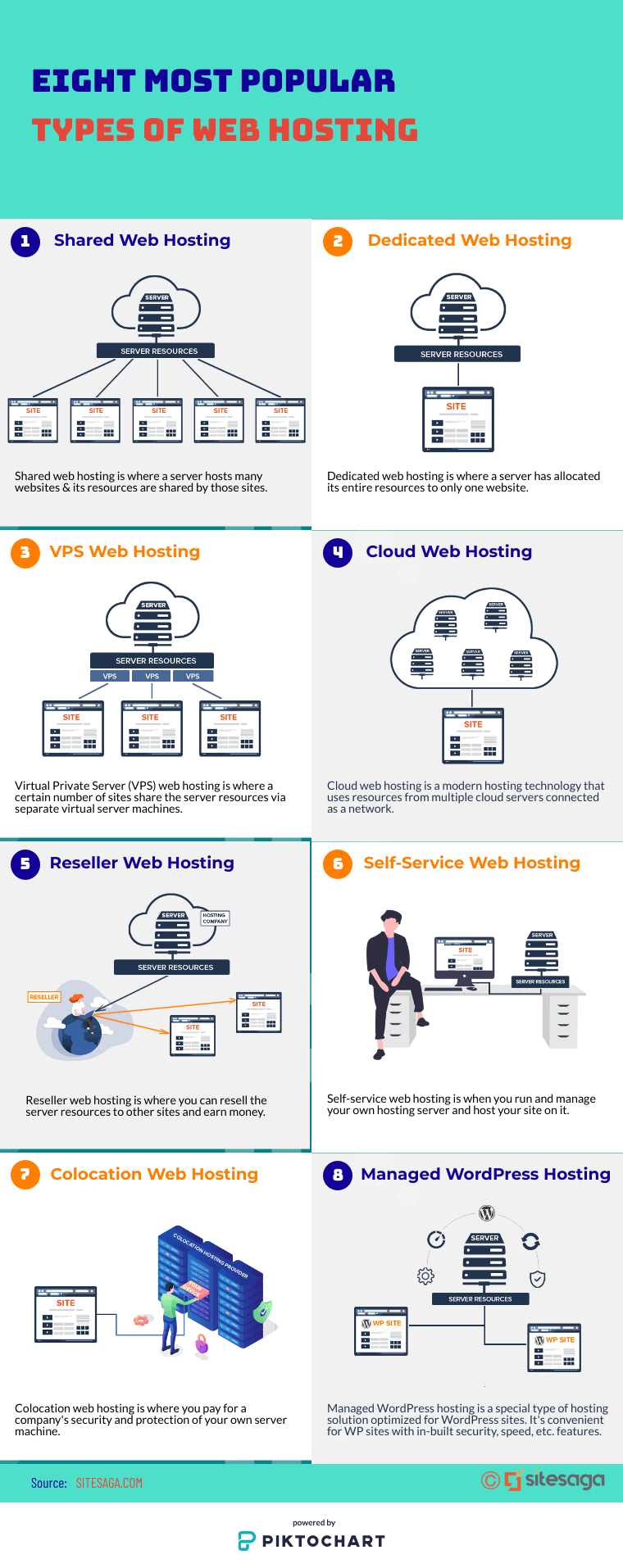
Shared hosting is a popular choice for beginners. It is cost-effective and easy to use. You share a server with many others. This makes it affordable. You get a control panel to manage your site. Security is provided by the host. You can host multiple sites. Resources are shared, which may slow your site. It is best for small websites. No need for technical skills. The host handles server maintenance.
| Pros | Cons |
|---|---|
| Low cost | Limited resources |
| Easy setup | Slow performance |
| No maintenance | Less control |
Vps Hosting
Virtual Private Server (VPS) hosting offers a balance of control and resources, falling between shared and dedicated hosting. It provides isolated environments on a single server, ensuring better performance and security. Ideal for growing websites needing more flexibility.
Understanding Vps
VPS stands for Virtual Private Server. It is a special type of web hosting. With VPS, one server is divided into many small servers. Each part acts like its own server. This helps users manage their own websites. They have more control and space than shared hosting. VPS is like owning a small house rather than sharing a big one with others. It is a good choice for growing websites. It offers better security and reliability. Users can enjoy more privacy. The server resources are not shared with many people. This ensures better performance.
Benefits Of Vps Hosting
VPS hosting provides many advantages. Users have dedicated resources. This means they have their own space and memory. It offers better security than shared hosting. Websites are safer from attacks. It is more reliable. Users experience less downtime. Customization is easy. Users can install any software they need. It is suitable for medium-sized websites. It helps sites grow smoothly. It offers good speed and performance. Users enjoy faster load times. VPS hosting is cost-effective. It is cheaper than dedicated servers.
Dedicated Hosting
Dedicated hosting gives a whole server to one user. This means no sharing with others. All resources are yours alone. It is like owning a house. You can do anything you want. More control and power than shared hosting. Perfect for big websites with lots of visitors. It costs more than other types. But the benefits are worth it.
- Full control over server settings.
- Better security for your data.
- Fast performance with no sharing.
- Can handle many visitors at once.
- Great for big businesses.
Cloud Hosting
Web hosting allows websites to be accessible online, with various types such as shared, VPS, and cloud hosting. Cloud hosting uses multiple servers to ensure reliable and flexible website performance. This type offers scalability and can handle high traffic efficiently.
Cloud Hosting Explained
Cloud hosting uses many servers. These servers work together. They store your website data. This means if one server fails, others help. Cloud hosting makes your website safe. It stays online all the time. Many companies use cloud hosting. It is trusted and reliable.
Scalability And Flexibility
Cloud hosting offers great scalability. You can add more resources as needed. This helps when your website grows. It also provides flexibility. You can change server settings easily. This makes cloud hosting a smart choice. Businesses love this feature. It keeps their websites running smoothly.
Managed Hosting
Managed Hosting Services offer a helping hand to website owners. Experts take care of the servers. This means less worry for you. These services include security, updates, and backups. No need to stress about technical stuff. Experts handle everything for you. Your site stays secure and fast.
Who Should Use Managed Hosting?
Busy businesses can benefit from managed hosting. They save time and focus on their work. New website owners might find it helpful. Especially if they lack tech skills. Large sites with lots of traffic need it too. Managed hosting ensures smooth operation. It’s like having a team of experts by your side. They keep your site running smoothly. So, if you value peace of mind, consider managed hosting.
Colocation Hosting
Colocation hosting lets you place your server in a data center. This center offers better power, cooling, and security. You own the server, but someone else takes care of it. This hosting is great for big companies. It’s safe and reliable. You get more control over your server.
Businesses with large data needs use colocation. They need secure and stable server space. IT teams want to manage their own servers. Colocation is good for them. They avoid big costs of building a data center. It’s also good for growing companies. They need more space and better resources. Small businesses may not need this. It’s costly for them.
Choosing The Right Hosting
Web hosting is a service that stores websites on the internet. Types include shared, VPS, and dedicated hosting. Shared hosting is cost-effective, while VPS offers more control. Dedicated hosting provides maximum resources and security. Choose based on needs and budget.
Factors To Consider
Choosing the right hosting needs careful thought. Budget is a big factor. Different hosts have different costs. Uptime is important too. It means the time your website is live. Higher uptime is better. Support is another key. Good support helps fix problems fast. Scalability matters if your site grows. More visitors need more resources. Security keeps data safe from hackers. A safe host is a smart choice. Speed affects how fast pages load. Faster is always better. These factors help you pick the best hosting.
Matching Hosting To Needs
Different sites need different hosting. Small blogs can use shared hosting. It is cheap and easy. Big businesses may need dedicated hosting. They get full control and power. E-commerce sites need secure hosting. It keeps customer data safe. Personal sites might use free hosting. It is simple and costs nothing. Think about your site and its needs. Match it with the right hosting type.
Credit: www.sitesaga.com
Frequently Asked Questions
What Is Web Hosting And Its Types?
Web hosting stores website files on servers, making them accessible online. Types include shared, VPS, dedicated, cloud, and managed hosting. Shared hosting shares resources, VPS offers virtual private resources, dedicated provides a server for one user, cloud hosts on multiple servers, and managed hosting includes maintenance services.
What Type Of Web Hosting Do I Need?
Choose web hosting based on your website’s needs. Shared hosting suits small sites, VPS for growing businesses, and dedicated hosting for high-traffic sites. Consider cloud hosting for scalability and reliability. Analyze your budget, performance requirements, and technical expertise before deciding.
Always ensure the host provides good support and security features.
What Is A Web Host And How Does It Work?
A web host stores websites on servers, making them accessible online. It provides space, bandwidth, and support for sites. Users pay for hosting services to ensure their sites are available 24/7. Web hosting is essential for website visibility and functionality on the internet.
What Is An Example Of Hosting A Website?
An example of hosting a website is using a provider like Bluehost. They offer domain registration, storage, and server space. You upload your website files to their server, making it accessible online. This ensures your site is live and can be visited by users worldwide.
Conclusion
Web hosting is the backbone of your online presence. It stores your website’s data and makes it accessible online. Different types cater to varied needs. Shared hosting suits beginners. It’s affordable and easy to use. VPS offers more control and resources.
Dedicated hosting provides ultimate power but costs more. Cloud hosting is flexible and scalable. Each type has its unique benefits. Choose based on your needs and budget. Understanding your options helps you make informed decisions. Reliable hosting ensures your website runs smoothly and efficiently.
So, pick wisely to support your online goals.


