
Are you thinking about creating a website but feel overwhelmed by all the technical jargon? You’re not alone.
Many people feel lost when they first hear terms like web hosting and domain registration. But don’t worry; you’re in the right place to unravel these mysteries. Imagine your website as a beautiful house. To build it, you need land (web hosting) and an address (domain registration) so people can find you.
Understanding these two crucial elements is the first step in turning your online dreams into reality. By the end of this article, you’ll have a clear grasp of what web hosting and domain registration are and why they are essential for your online presence. Get ready to discover how these services can open up new possibilities for you and your business.
Basics Of Web Hosting
Web hosting is a service. It lets people put their websites on the Internet. A hosting provider offers space on a server. This is where all website files are stored. People use this service to make their sites visible online. Without hosting, a website cannot be seen by others.
There are several types of hosting. Shared hosting is the most common. Many websites share one server. It’s cheap and easy. VPS hosting gives more control. It costs more but provides better performance. Dedicated hosting offers a whole server. It’s for big sites with a lot of visitors. Cloud hosting uses multiple servers. It’s great for websites with variable traffic.
Pick a provider based on your needs. Check their reliability and customer support. Make sure they offer enough storage and bandwidth. Look for security features to protect your site. Compare prices and read reviews. A good provider helps keep your site running smoothly.
Credit: blog.templatetoaster.com
Domain Registration Essentials
A domain is like your website’s name. It helps people find you online. Each domain is unique. No two websites can have the same domain. Domains have two parts: the name and the extension. For example, in “example.com”, “example” is the name, and “.com” is the extension. Choose wisely. A good domain is easy to remember.
The Domain Name System (DNS) works like a phonebook. It matches domain names to IP addresses. IP addresses are like phone numbers for websites. DNS makes sure you reach the right website when you type a domain. Without DNS, browsing would be tough. Computers use numbers, but people use words.
First, think of a good domain name. Check if it’s available. Use a domain registrar to do this. If available, you can register it. Most registrations last one year. You can renew it before it expires. This keeps the domain yours. Popular registrars include GoDaddy and Namecheap.
Key Differences Between Web Hosting And Domain Registration
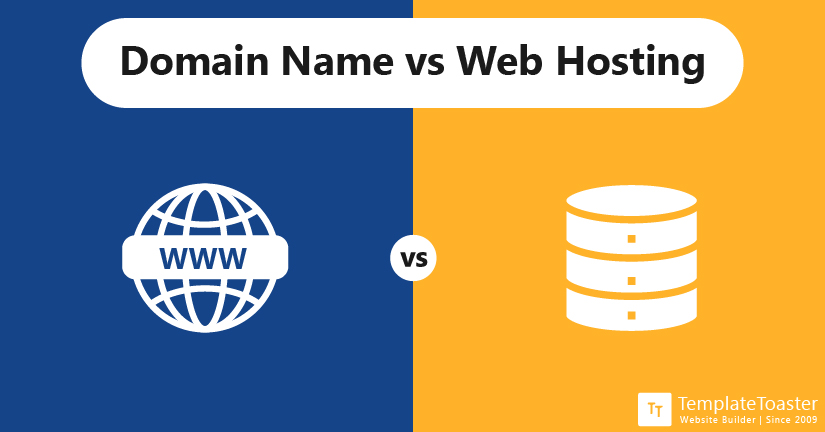
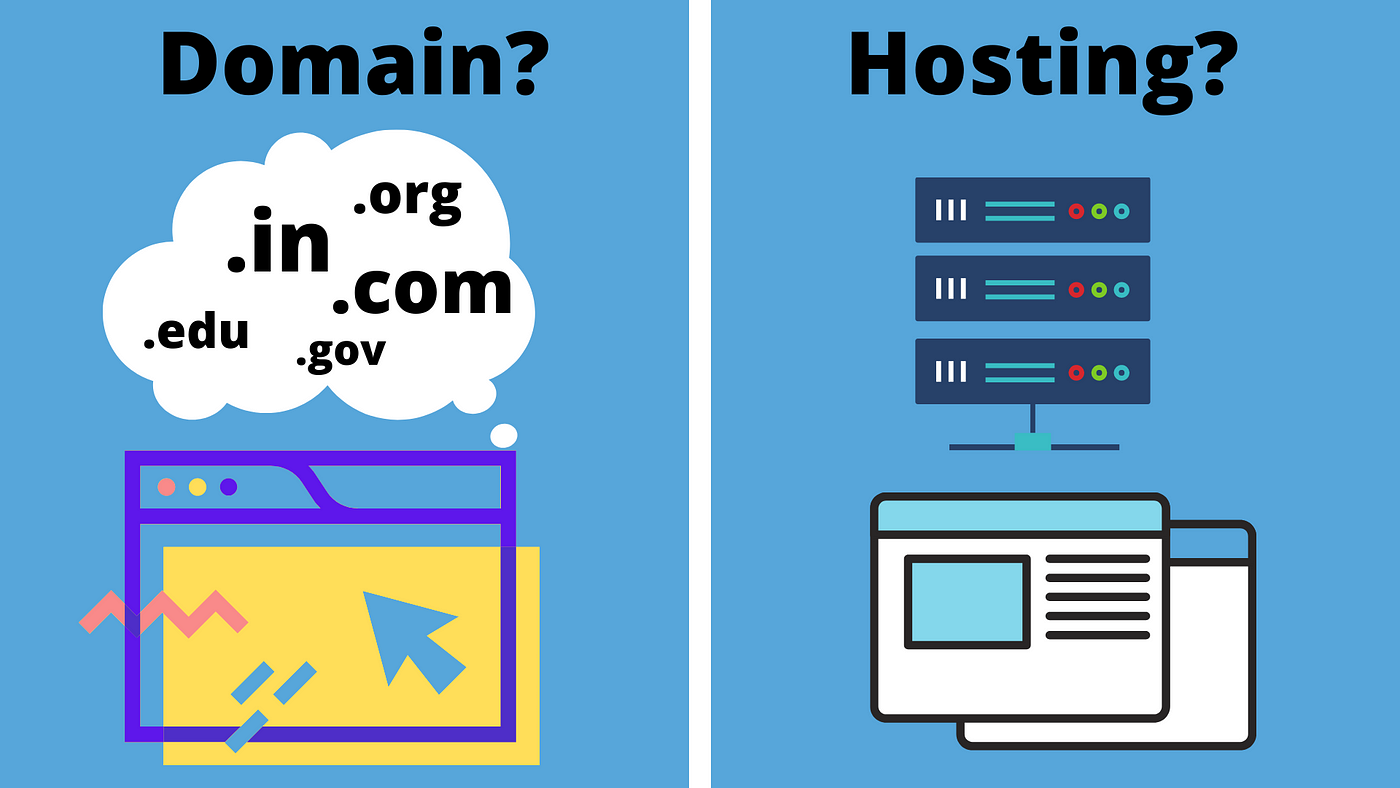
Web hosting and domain registration serve different purposes. Web hosting stores your website’s files on a server. It makes your site visible online. Domain registration gives your website a name. This name is the address visitors type in to find your site. Think of hosting as a house. The domain is the street address. Both are essential for a website to work.
Hosting providers handle site speed and uptime. They keep your website fast and online. Domain registrars manage your domain’s name. They ensure no one else uses your domain name. Together, they help in running a website. One keeps it visible, the other gives it a name.
Factors To Consider When Selecting Hosting And Domains
Choosing the right web hosting and domain registration involves several key factors. Consider your website’s needs, such as bandwidth and storage. Look at the reliability and support offered by hosting providers. Ensure the domain name aligns with your brand and is easy to remember.
Performance And Reliability
Good performance means your website loads fast. A website that loads slowly can make visitors leave. Choose a host with a strong track record. Reliability is also important. Your website should be available all the time. Downtime can hurt your site. Always check if the host has a good uptime record.
Security Features
Security is very important for websites. A safe website protects your data. Look for hosts with strong security features. This includes firewalls and SSL certificates. These help keep hackers away. Regular backups are also important. They help you recover your site if something goes wrong.
Cost Considerations
Cost is a key factor when choosing hosting and domains. Some hosts are cheap but may not offer good service. Look for a balance between price and quality. Check if there are any hidden fees. Choose a plan that fits your budget but also offers good features.
Common Challenges And Solutions
Web hosting and domain registration often confuse beginners. Choosing reliable providers and managing costs are common challenges. Solutions involve comparing features and seeking customer reviews to ensure quality and support.
Avoiding Domain Squatting
Domain squatting is a big problem. Some people buy domains you need. They hope to sell them to you for a lot of money. This can be avoided. Register your domain as soon as possible. Choose a unique name. Make sure it represents your brand well. Use a trusted registrar. Stay updated on domain availability. Regular checks help you avoid surprises. Protect your domain with privacy settings. This keeps your information safe.
Handling Hosting Downtime
Hosting downtime means your website is offline. This affects your visitors. It can harm your business. Choose a reliable hosting provider. Read reviews before deciding. Consider uptime guarantees. Look for 99.9% uptime promises. Use monitoring tools. They alert you when your site is down. Backup your website regularly. This helps recover lost data. Ensure customer support is available 24/7. Quick help is important. Keep software updated. New versions fix bugs and improve security.

Credit: www.founderjar.com
Future Trends In Web Hosting And Domain Registration
Cloud hosting is getting better. It helps websites stay online. This is good for busy sites. Cloud hosting is also flexible. You can make it bigger or smaller. This helps save money. More people will use it soon. It is fast and reliable. Many companies trust it. They like its security features too. Cloud hosting will keep growing. It is the future of web hosting.
AI helps with domain management. It makes things easier. AI can find the best domain names. It checks if a name is available. AI can also protect domains. This stops bad people from taking them. AI helps keep domains safe. It can predict trends. So, companies get good domain names. This is smart and helpful. AI is changing how we manage domains. It is making things better.
Credit: mayankavasthi.medium.com
Frequently Asked Questions
What Is Domain Registration And Web Hosting?
Domain registration involves securing a unique website name. Web hosting provides the server space for your website’s files. Both are essential for creating a website, making it accessible online. Register your domain and choose a reliable hosting provider to establish your online presence.
What Is The Difference Between Web Hosting And Domain Registrar?
Web hosting stores website files on servers, making them accessible online. Domain registrar manages website addresses, such as “example. com”. Both services are essential for building and running websites.
Do I Need Web Hosting If I Have A Domain Name?
Yes, you need web hosting to make your website accessible online. A domain name is just an address. Hosting stores your website’s data, enabling it to be viewed on the internet. Without hosting, your website won’t be visible to users.
Both are essential for a functional website.
What Is An Example Of A Domain And Hosting?
A domain is a website’s address, like “example. com. ” Hosting is the service that stores website files, such as “Bluehost” or “SiteGround. “
Conclusion
Understanding web hosting and domain registration is crucial. They form the backbone of your online presence. Web hosting stores your site data on servers. Domain registration gives your site an identity—a unique address. These elements work together. They ensure your website is accessible to users worldwide.
Choose wisely, as the right hosting and domain can boost your site’s success. Simplify the process by focusing on your needs. Reliability, speed, and support matter. A strong foundation leads to a thriving website. Make informed choices to build and grow your online presence effectively.


