
Are you ready to unlock the secrets of the digital world? If you’ve ever wanted to create a website, you’ve likely come across the terms “web hosting” and “domain name.”
But what exactly do they mean, and why are they crucial for your online presence? These two elements are the building blocks of any website, playing a pivotal role in how your site is accessed and functions. Understanding them can transform your web experience from confusing to clear-cut, empowering you to navigate the internet with confidence.
By the end of this article, you’ll have a crystal-clear understanding of web hosting and domain names, setting the stage for your digital success. Stay with us, and let’s dive into the fascinating world of the web!
Basics Of Web Hosting
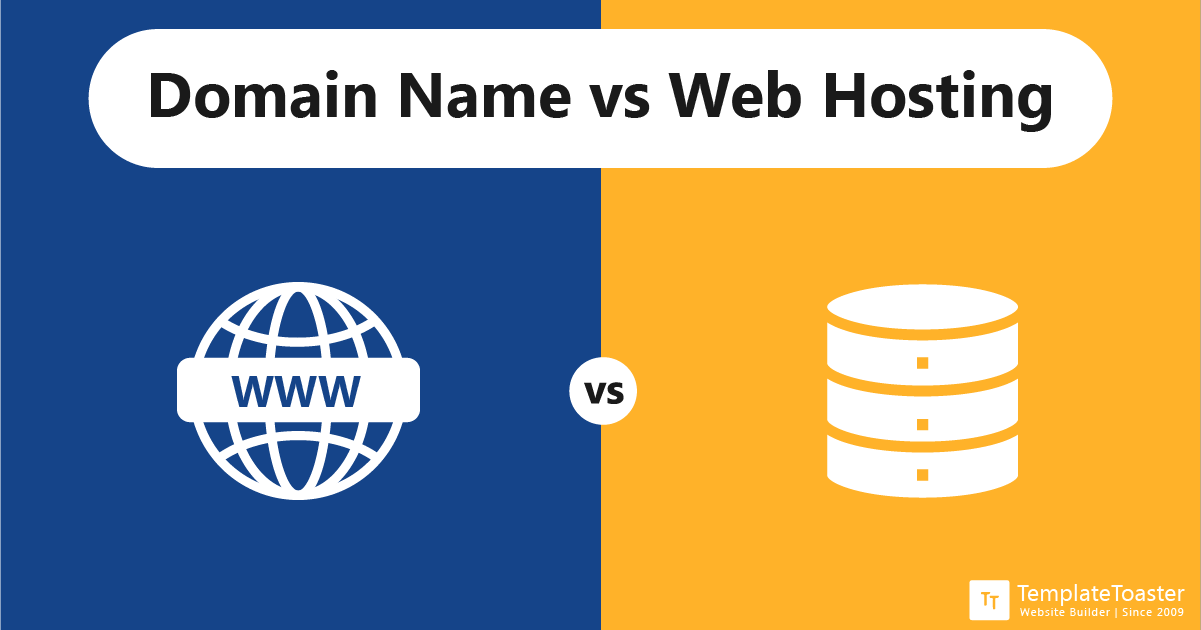
Web hosting provides space on the internet for websites, while a domain name is the website’s address. Both are essential for creating an online presence, allowing users to access and interact with your site easily.
Shared Hosting
In shared hosting, many websites share one server. This option is cheap. But it has limits. Websites share resources like memory and space. It is ideal for small websites and beginners. Performance might be slower if traffic is high.
Dedicated Hosting
With dedicated hosting, one server is for one website. This offers more power and control. It is great for big businesses. Costs are higher than shared hosting. You get full access to the server.
Vps Hosting
VPS hosting stands for Virtual Private Server. It splits one server into many virtual servers. Each acts like a dedicated server. It offers more resources than shared hosting. It is costlier than shared but cheaper than dedicated hosting.
Cloud Hosting
In cloud hosting, many servers work together. They host your website. This setup offers high reliability. If one server fails, others take over. It can handle high traffic easily. Costs depend on usage.
Credit: blog.templatetoaster.com
Understanding Domain Names
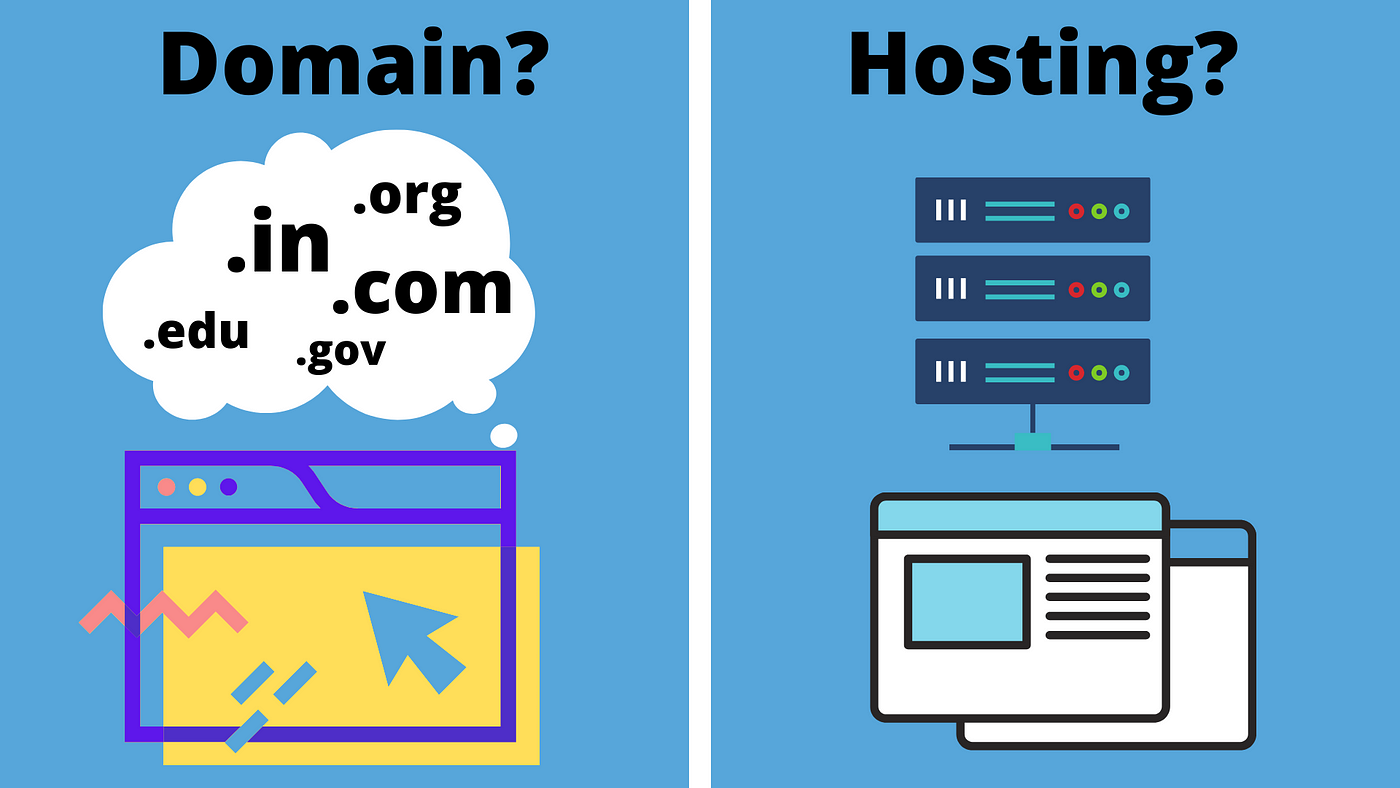
Domain names help locate websites. They have two main parts. The name and the extension. For example, in ‘example.com’, ‘example’ is the name. ‘.com’ is the extension. Each part is separated by a dot. People type domain names in browsers. This takes them to the website.
Top-Level Domains are the extensions. Common ones are .com, .org, and .net. These show the purpose of the site. ‘.com’ is for commercial sites. ‘.org’ is for organizations. ‘.net’ is for networks. Many other TLDs exist. Some are for countries like ‘.uk’ for the United Kingdom.
A good domain name is easy to remember. It should be short and simple. Avoid numbers and hyphens. Make it unique and related to your site. Check if the name is available. Use tools online to check. Pick a name that fits your brand.
How Web Hosting Works
Servers are like big computers. They store all your website’s files. When people visit your site, their computer talks to the server. It sends data to show your website. Without servers, your site won’t work. They are the heart of web hosting. Servers make sure your site is online all the time.
Bandwidth is the amount of data sent over the internet. It affects how fast your site loads. More bandwidth means more visitors can see your site at once. If bandwidth is low, your site may slow down. It’s like a highway. More lanes mean more cars can travel smoothly.
Storage is where your website’s files live. More storage means more space for pictures and videos. Security keeps your site safe. It protects against bad people who try to steal data. Security is like a lock on your door. It keeps your website safe from harm.
Credit: mayankavasthi.medium.com
Registering A Domain Name
Domain Registrars help you buy domain names. They are like online shops for domains. Popular registrars include GoDaddy and Namecheap. Each registrar has different prices and services. Choose one that fits your needs. Always check the reviews before buying. Make sure the registrar is trusted.
Domain Privacy Options protect your personal info. When you buy a domain, your details go public. Privacy options hide this info from others. This keeps your data safe. Some registrars offer privacy for free. Others may charge a fee. Always check privacy options before buying.
Domain Transfers let you move your domain. You might want a new registrar. Or better services. Transfers can be easy. Follow the steps given by the registrars. Make sure the domain is unlocked. Check transfer fees before moving. Keep your domain safe during the transfer.
Integrating Domain And Hosting
Connecting your domain to hosting is like linking your home address to your house. Your domain name is the address. The hosting is where your website lives. First, log in to your domain provider. Find the DNS settings. Then, update the name servers to match your hosting provider. This tells the internet where your website is. It usually takes a few hours to update.
DNS settings are like a phone book. They tell the internet how to find your website. You need to set the right name servers. This way, the web traffic knows where to go. Check with your hosting provider for the correct settings. Make sure to save any changes you make.
Troubleshooting common issues can be simple. First, check if your DNS settings are correct. Mistakes can stop your website from working. Then, see if your domain is expired. An expired domain won’t work. Finally, contact your hosting provider for help. They can solve most problems easily.
Credit: blog.templatetoaster.com
Tips For Beginners
Choosing the perfect hosting plan is important. Shared hosting is cheap and easy for beginners. Dedicated hosting is powerful but costs more. Cloud hosting is flexible and grows with your needs. VPS hosting is a mix of shared and dedicated. Each has its benefits. Match your needs to the plan.
Budget matters a lot. Cheap plans are good for small websites. Big websites need more money for better plans. Look for discounts and special offers. Hosting can be a big part of your monthly expenses.
Think about your website’s future. Scalability helps your site grow. Choose a host that allows easy upgrades. More visitors means you may need more space. Plan for growth from the start. It saves time and effort later.
Frequently Asked Questions
What Is Domain Name And Web Hosting?
A domain name is your website’s address on the internet. Web hosting provides the server space for your website’s files. Both are essential for making your website accessible online. Choose a memorable domain name and reliable hosting service for best results.
What Is The Difference Between Web Host And Domain?
A web host stores and serves website files on servers, while a domain is the website’s address or URL. Both are essential for a website’s online presence. Web hosting manages data, and the domain guides users to your site. They work together to make your website accessible on the internet.
Do I Need Web Hosting If I Have A Domain Name?
Yes, you need web hosting to store and display your website files online. A domain name alone won’t make your site accessible. Hosting provides the server space and technology for your website to be visible on the internet. Choose a reliable hosting service to ensure your site runs smoothly.
What Do You Mean By Web Hosting?
Web hosting refers to the service of storing and serving websites on the internet. It involves using servers to store website data, making it accessible online. Hosting providers offer various plans, including shared, VPS, and dedicated hosting, catering to different needs and budgets.
Conclusion
Understanding web hosting and domain names is essential for every website owner. They form the backbone of your online presence. A domain name is your site’s address. Web hosting is where your website lives. Together, they help people find and access your content.
Choosing the right services is crucial. It affects your site’s speed and reliability. Always consider your needs and budget. Research different providers. Look for good customer support and security features. This knowledge empowers you to make informed decisions. Start building your online presence today.
It’s your first step into the digital world.


