
Imagine setting up a shop without having a physical space or a sign to tell people where you are. Sounds impossible, right?
This is what happens in the digital world when you don’t have web hosting and domain name registration. These two key elements are the foundation of every website you visit. If you’ve ever wondered how websites are stored and accessed online, you’re in the right place.
Understanding web hosting and domain name registration is crucial for anyone looking to establish a presence on the internet. Whether you’re starting a blog, launching an online store, or creating a portfolio, knowing how these components work can make or break your online success. By the end of this article, you’ll not only grasp the basics but also feel confident about taking the next steps in your digital journey. Keep reading to unlock the secrets behind the web’s curtain and empower your online ambitions.
Web Hosting Basics
Web hosting is like renting space online. Websites need a home. Hosting gives them this home.
There are different hosting types for different needs.
Shared Hosting
Many websites share one server. It’s cheap and easy. Great for small sites. But, it can be slow if many sites use it.
Dedicated Hosting
One server for one website. It’s fast and secure. Costs more money. Best for big websites with many visitors.
Vps Hosting
VPS means Virtual Private Server. It’s like having your own mini server. More control and power than shared hosting.
Cloud Hosting
Websites are hosted on many servers. This makes it very reliable. If one server fails, others help. Suitable for growing websites.
Credit: www.techtarget.com
Domain Name Essentials
A domain name is your website’s address on the internet. It’s what people type to visit your site. Think of it like your home address but online. Without a domain name, your site can’t be found easily. Every website needs one.
Domain name extensions are the end part of your web address. Examples are .com, .net, and .org. They help tell what your site is about. Some are special like .edu for schools. Choosing the right extension is important.
Pick a domain name that is easy to remember. It should be short and simple. Avoid numbers and hyphens. Make it relate to your website or business. Check if it’s available before buying. A good name helps people find you.
How Web Hosting Works
Web hosting stores website files on a server, making them accessible online. Domain name registration provides a unique web address. Together, they enable users to visit websites effortlessly by typing URLs into their browsers.
Servers And Storage
Web hosting uses powerful computers called servers. These servers store your website’s files. Think of a server as a home for your website. It keeps your site safe and ready for visitors. Storage is where all the data lives. It is like a big digital warehouse. The more storage, the more space for your files.
Bandwidth And Performance
Bandwidth is like a highway for your data. It decides how fast your site loads. More bandwidth means more visitors can see your site at once. Good performance keeps your site running smoothly. Slow sites can make visitors leave. So, high performance is important.
Security Features
Security is like a lock on your website’s door. It keeps bad guys out. Hosting services use firewalls and encryption. These tools protect your data and your visitors. Strong security makes your site a safe place to visit.
Domain Name Registration Process
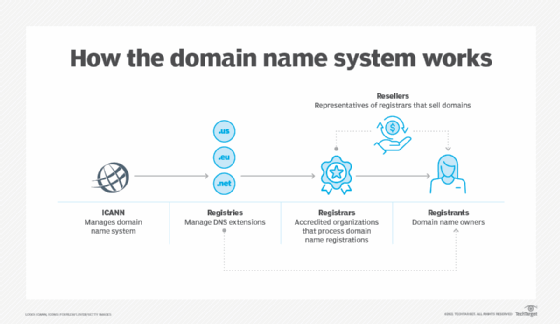
Domain registrars help you buy domain names. They are companies that sell these names. Popular registrars include GoDaddy and Namecheap. Compare prices and services. Choose a registrar you trust. Customer support is important. Check reviews before deciding.
Domains must be available before buying. Use the registrar’s search tool. Type your desired name. See if it’s free. If taken, try different names. Add numbers or dashes. Be creative but clear. Your name must be easy to remember.
Registration is easy. Choose the name you want. Fill out your information. Pay the registration fee. Your domain is now yours. Keep track of renewal dates. Domains expire if not renewed. You might lose your name.
Connecting Domain And Hosting
Web hosting stores your website’s data, while domain name registration gives your site a unique address. Connecting them allows visitors to find and access your website easily. Together, they form the backbone of your online presence, ensuring your site is accessible on the internet.
Dns Configuration
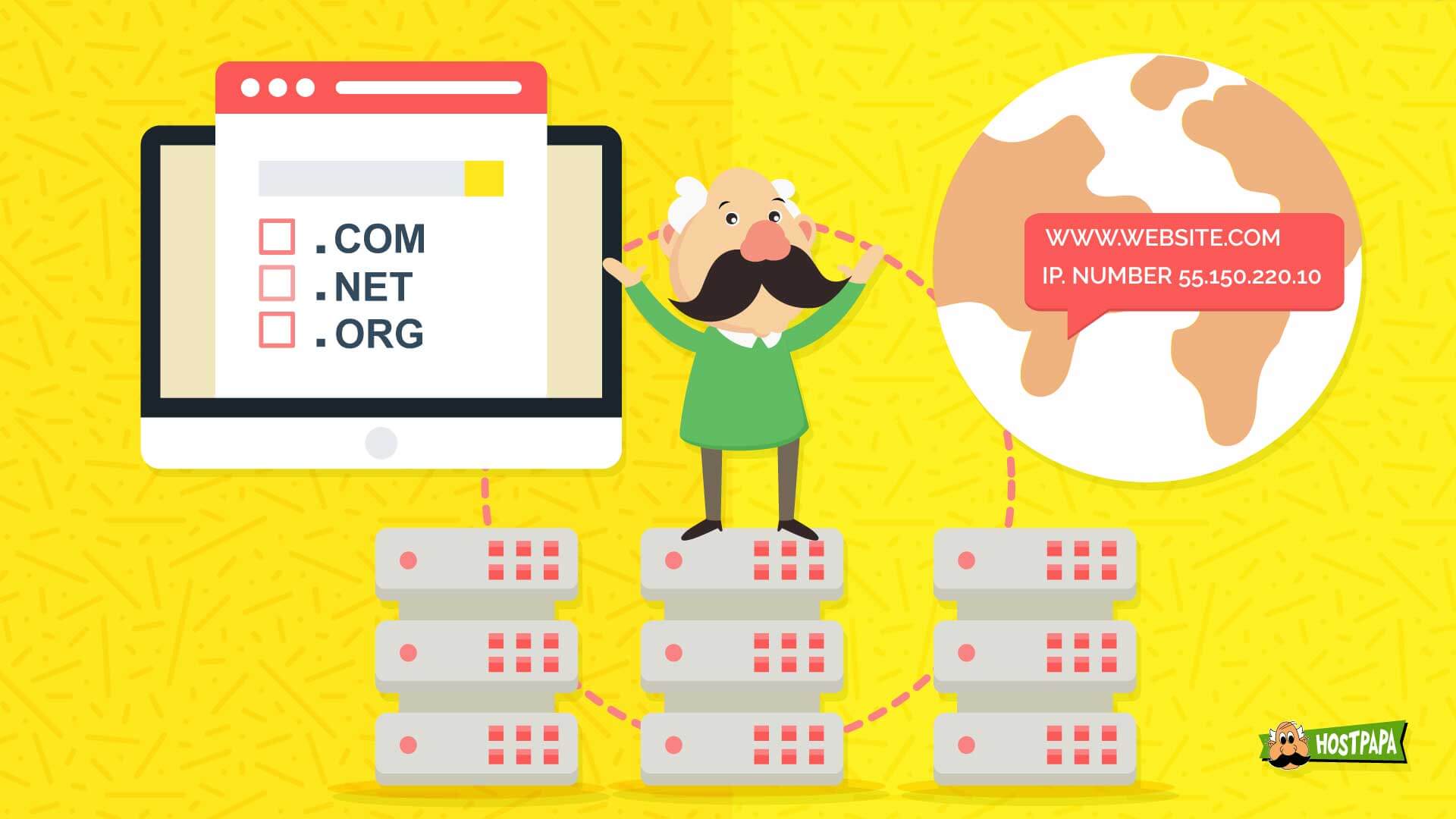
Domain Name System (DNS) is like an address book. It tells computers how to find your website. When setting up, enter the DNS details from your hosting provider. These details might be IP addresses or nameservers. Once updated, your domain connects to your hosting. This can take a few hours to work. Make sure your DNS settings are correct. Mistakes can make your website unreachable.
Setting Up Email Accounts
Email accounts can be set up through your hosting provider. You might have a control panel to manage emails. Create a new email address by entering a username and password. You can make emails like info@yourdomain.com. Having your domain in your email looks more professional. Check your hosting plan for the number of emails you can create.
Pointing Domain To Hosting
Pointing your domain to your hosting is essential. This means your web address goes to your website. Access your domain settings to update this. You will need the nameserver information from your host. Enter these details and save the changes. It may take time for changes to show up. This process is known as propagation. Once complete, your domain points to your hosting.

Credit: www.register.com
Cost Considerations
Web hosting services have different pricing models. Some charge monthly, while others charge yearly. Shared hosting is often the cheapest. VPS and dedicated hosting cost more. Always check what features are included.
Watch out for hidden fees. Some companies add extra charges. These might include setup fees or backup costs. Read the fine print to avoid surprises. Always ask about extra costs.
Initial costs might be low, but renewal costs can be high. Companies often raise prices after the first term. Look for renewal rates before signing up. Budget for these costs to avoid issues later.
Common Issues And Solutions
Many face problems with domain names. Sometimes, the domain does not point to the right server. Check the DNS settings. Ensure they are correct. Update settings if needed. Domains might not renew automatically. Set up auto-renewal. Keep track of renewal dates. Expired domains cause issues. Keep your contact info updated. This helps prevent domain problems.
Hosting downtime can be frustrating. Check the server status first. Sometimes, it’s due to scheduled maintenance. Contact your hosting provider if downtime persists. They can provide updates. Use uptime monitoring tools. These tools alert you when the site is down. Regular backups are essential. This ensures data safety during downtime.
Good support is crucial. Choose a host with 24/7 support. Test their response time. Fast support means quicker solutions. Use live chat if available. It’s usually faster than email. Support forums can be helpful too. Many users share experiences and fixes. Always have your account details handy. This helps in quick troubleshooting.
Credit: www.hostpapa.com
Future Trends In Hosting And Domains
Web hosting and domain name registration form the backbone of a website’s online presence. Hosting provides space on servers for websites, while domain registration secures a unique web address. Understanding these concepts helps in navigating the future trends in digital infrastructure.
Advancements In Technology
Technology is changing fast. Hosting services now use cloud systems. These systems offer more storage and better speed. Security is also getting better. SSL certificates keep data safe. Virtual servers allow easy scaling. Users get more control over their websites. These advancements make websites run smoother.
Impact Of Ai
AI is helping hosting services. It automates tasks like backups. AI tools predict traffic spikes. They help manage resources better. Chatbots offer customer support. This makes user experience better. AI can also help in detecting threats. This keeps websites safe from attacks. AI is changing the hosting world.
Sustainability And Green Hosting
Green hosting is growing. Companies use renewable energy for servers. This helps the environment. Eco-friendly practices reduce carbon footprints. Hosting companies plant trees. They use less electricity. This protects nature. Users feel good about using green hosting. It is a win for everyone.
Frequently Asked Questions
What Is Domain Registration And Web Hosting?
Domain registration is securing a unique web address for your site. Web hosting stores your website’s data on servers, making it accessible online. Both are essential for creating and maintaining an online presence.
Do I Need Web Hosting If I Have A Domain Name?
Yes, you need web hosting to make your website accessible online. A domain name is just an address. Hosting stores your website’s files. Both are essential for a functioning website. Without hosting, your domain won’t display content. Choose a reliable hosting provider for optimal performance and security.
What Is The Difference Between Web Hosting And Domain Registrar?
Web hosting provides storage space for website files on servers. Domain registrar manages and registers domain names for websites.
What Is Domain Name And Domain Hosting?
A domain name is a website’s unique address on the internet. Domain hosting provides the service to store and manage website files on servers. Both are essential for a website’s online presence and accessibility.
Conclusion
Web hosting and domain names are vital for online presence. They act as your website’s home and address. Choose a reliable hosting provider to ensure smooth performance. Registering a domain name connects users to your site. Pick a memorable and relevant name.
Understand these basics to start your online journey. They provide the foundation for your website. With the right setup, you can effectively reach your audience. Remember, both web hosting and domain names are key. They work together to make your website accessible.
So, take your time and make informed decisions.


