
Imagine a world where your website never crashes, speeds are lightning-fast, and scaling your business is as easy as pie. Sounds like a dream, right?
This is the power of cloud-based web hosting. But how does it stack up against traditional web hosting? If you’re looking to create an online presence or upgrade your current setup, understanding the difference is crucial. You might be wondering why so many people are making the switch to cloud-based solutions.
Is it really worth the hype? By the time you finish reading this, you’ll have a clear picture of which option is best suited for your needs, allowing you to make an informed decision that could be a game-changer for your website and business. Let’s dive into the world of web hosting and uncover what makes cloud-based hosting a powerful contender against its traditional counterpart.
Web Hosting Basics
Web hosting is a service. It lets you put your website online. A web host stores your site’s files. People can see them on the internet. Hosting is like renting space. Space on a server. Servers are powerful computers. They run all the time. This keeps your site online.
There are many types of hosting. Shared hosting is popular. You share a server with others. Dedicated hosting gives you your own server. VPS hosting is like a mix. It is shared but acts like it’s dedicated. Cloud hosting uses many servers. If one fails, others help. Each type has pros and cons. Choose based on your needs.
Credit: jiwebhosting.com
Cloud-based Hosting
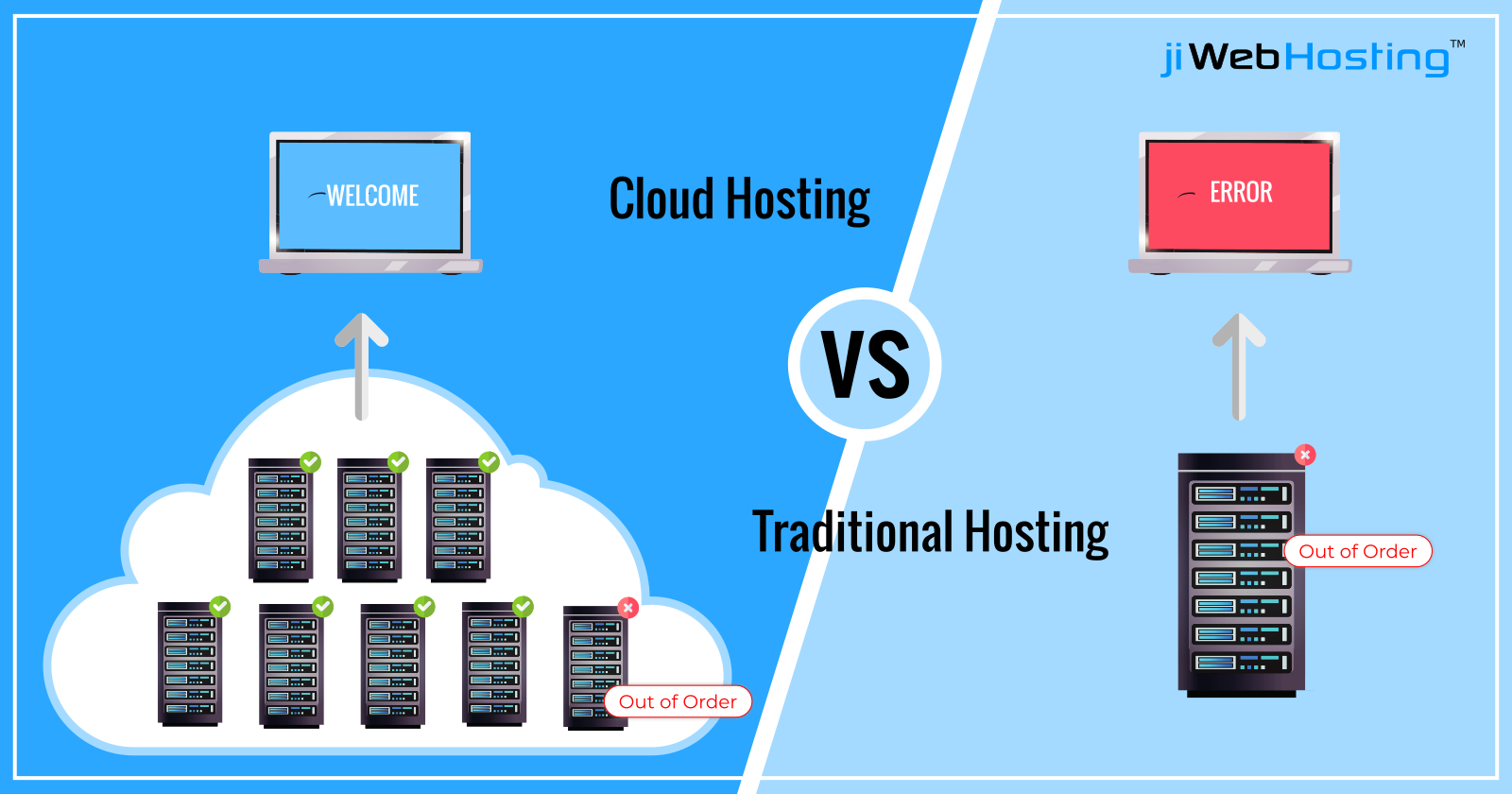
Cloud hosting uses many servers. This is different from traditional hosting. Traditional hosting uses one server. Cloud servers share the load. This makes websites faster. If one server fails, others help. This makes cloud hosting reliable. Users get more flexibility. They can add or remove resources easily.
Cloud hosting is scalable. Users can grow their website fast. It offers better performance. Multiple servers share the task. This means less downtime. Cloud hosting is also cost-effective. You pay for what you use. It provides security. Your data is safe across servers.
Cloud hosting can be complex. It needs technical skills. Some may find it hard to manage. Data privacy can be a concern. Information is spread across servers. Costs may rise with usage. Always check usage to control expenses.
Traditional Web Hosting
Many websites share the same server. This can slow down your site. It’s cheaper but less secure. Shared hosting is good for beginners. Limited resources mean less control. It’s easy to set up.
One server, one user. Dedicated hosting gives you full control. It’s more secure but costs more. Better performance for big sites. You manage everything. More space for your data.
Virtual Private Server. VPS hosting is between shared and dedicated. More control than shared. Less cost than dedicated. It’s like having your own space. Good for growing sites.
Comparing Cloud And Traditional Hosting
Cloud hosting spreads resources across many servers. This makes it more reliable. If one server fails, others take over. Traditional hosting uses one server. If it fails, your website goes down. Cloud hosting ensures better performance. It handles high traffic smoothly. Traditional servers struggle with sudden traffic spikes.
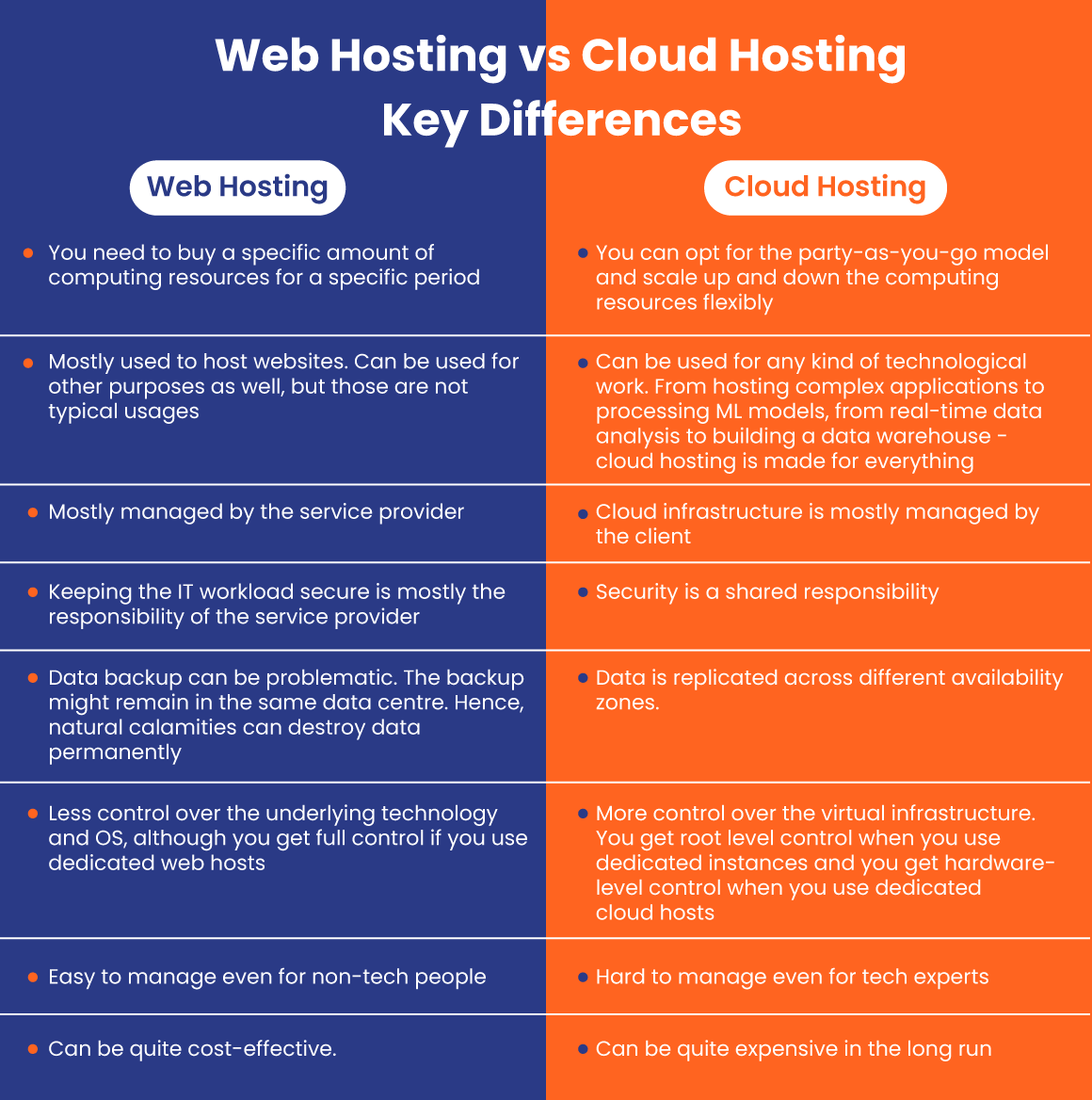
Cloud hosting scales easily. Add more resources without effort. Traditional hosting needs hardware upgrades. This takes time. Cloud hosting is flexible. Adjust resources as needed. Traditional hosting is less adaptable. Fixed resources limit changes.
Cloud hosting is usually pay-as-you-go. You pay for what you use. Traditional hosting is often fixed-price. You pay the same every month. Cloud hosting can be cheaper for small sites. Traditional hosting may cost more. Big sites might find cloud hosting more expensive.
Cloud hosting offers strong security features. Data is stored in multiple places. Traditional hosting stores data in one place. If hacked, all data is at risk. Cloud providers use advanced security. They protect your data well. Traditional hosting may not have the same level of security.
Choosing The Right Hosting
Cost matters a lot in hosting. Cloud hosting can be cheaper. It depends on your needs. Scalability is easy with cloud. Traditional hosting has limits. Security is a concern. Both types offer protection. But cloud updates are faster. Think about performance. Cloud is quick. Traditional may lag.
Cloud hosting suits big websites. They need space and speed. It is good for e-commerce. Online stores need fast service. It helps startups grow. New businesses often choose cloud.
Traditional hosting works well for small websites. They don’t need much space. It suits personal blogs. They are simple and easy. It is good for local businesses. They have fewer visitors.
Credit: www.silvertouch.com
Future Of Web Hosting
Cloud technology is growing fast. Many businesses like using it. Cloud hosting is cheaper and easier. It helps companies save money. Data can be stored safely in the cloud. This means less worry about loss. The cloud can grow as needed. So, it can fit small or big businesses.
People work from anywhere with cloud tools. This makes teams more flexible. Updates happen automatically. No need for manual checks. Security is also strong in the cloud. It protects important info. More businesses trust cloud hosting now.
Using cloud hosting has many benefits. It makes work faster and easier. Businesses can save time and resources. This is because cloud services are often automated. They need less human help. This means fewer errors.
Companies can focus on their core tasks. No need to worry about tech problems. This helps them grow and improve. The cloud also offers flexibility. Businesses can change plans quickly. Cloud hosting helps companies stay ahead.

Credit: cloudrifles.wordpress.com
Frequently Asked Questions
What Is The Difference Between Cloud Hosting And Traditional Hosting?
Cloud hosting uses multiple servers for resource distribution, ensuring flexibility and scalability. Traditional hosting relies on a single server, which can limit resources and scalability. Cloud hosting offers better uptime and reliability due to its network of servers, while traditional hosting is often more affordable but less flexible.
What Is The Difference Between Cloud And Traditional Servers?
Cloud servers offer scalability and flexibility, enabling on-demand resource allocation. Traditional servers require physical hardware and manual upgrades. Cloud solutions often reduce costs and maintenance efforts. Traditional servers offer more control but may involve higher expenses. Cloud services provide remote access, while traditional servers are typically on-site.
What Is A Key Advantage Of Using Cloud-based Hosting Over Traditional Hosting?
Cloud-based hosting offers scalability, allowing businesses to easily adjust resources based on demand. This flexibility enhances performance and efficiency.
What Is Cloud-based Web Hosting?
Cloud-based web hosting uses virtual servers, drawing resources from extensive physical server networks. It offers scalability, flexibility, and reliability. This hosting adapts to fluctuating traffic, ensuring performance stability. Users pay for consumed resources, making it cost-effective. It’s ideal for businesses needing robust web presence without hardware constraints.
Conclusion
Cloud-based web hosting offers many benefits over traditional hosting. It provides flexibility. Scaling resources is easier. Your website can handle traffic spikes better. Security features are often stronger. Costs can be more predictable. Traditional hosting may offer simplicity and control.
But it lacks the adaptability of cloud hosting. Choosing between them depends on your needs. Consider your website’s size and traffic. Think about your budget and technical skills. Both options have advantages. Make the best choice for your situation. This ensures your website runs smoothly and efficiently.


