
Imagine having a brilliant web application idea that could revolutionize your business or even change the world. You’re excited and ready to launch, but there’s one crucial step standing between you and your audience: web application hosting.
You might be wondering, “What is web application hosting, and why do I need it? ” This is your gateway to ensuring your application is accessible, reliable, and secure. You’ll uncover the secrets behind web application hosting. We’ll demystify the complexities and present you with clear, actionable insights.
Whether you’re a tech-savvy developer or a business owner looking to make informed decisions, understanding web application hosting is key to your success. Ready to unlock the potential of your web app? Let’s dive in and explore how the right hosting solution can empower you to reach your goals.

Credit: medium.com
Web Application Hosting Basics
Web application hosting helps put apps online. These apps run in web browsers. Hosting stores app files on servers. Servers are powerful computers. They send apps to users. Users access these apps over the internet. Hosting makes sure apps work smoothly. It keeps them safe and fast. Hosting is essential for web apps.
Web apps come in different types. Static apps show fixed content. Dynamic apps change based on user actions. Single-page apps load once. They don’t reload with new actions. Multi-page apps load each page separately. Progressive Web Apps work offline. They look like native apps. Each type serves a unique purpose.
Hosting Infrastructure
Servers are like big computers. They store all the website data. Data centers are places where many servers live. They need to be cool and safe. A good data center has strong security. It keeps the data protected. Backup systems are important too. They help in case something breaks. Reliable power is crucial. It keeps the servers running all the time.
Networks connect servers to the internet. Good connectivity means websites load fast. Fast internet makes users happy. Cables and wires carry data. They must work well. Network speed is very important. Slow connections make users leave. Reliable networks keep websites online. This is good for business. Data travels between places quickly. This ensures smooth browsing.
Types Of Hosting
Shared Hosting is a popular choice. Many websites use one server. It is cost-effective. Great for beginners. Resources are shared with others. It can be slow. Security might be less. Perfect for small websites.
Dedicated Hosting means one server for one site. No sharing. High performance. Best for big sites. Expensive option. Full control over resources. Secure and reliable. Needs technical skill.
VPS Hosting is a mix of shared and dedicated. Virtual Private Server is its name. Flexible and scalable. Better control than shared. Cheaper than dedicated. Good for growing sites. Secure environment.
Cloud Hosting uses many servers. Scalable and reliable. Good for large traffic. Pay for what you use. Fast and flexible. Automatic backups. Easy to manage. Safe from crashes.
Choosing A Hosting Provider
Security is very important. Your web app needs to stay safe. Uptime means your app is available. Choose a provider with high uptime. Customer support helps when problems come. It should be available 24/7. Pricing matters too. It should fit your budget. Scalability allows your app to grow. It should handle more users easily.
| Provider | Uptime | Support | Price |
|---|---|---|---|
| Provider A | 99.9% | 24/7 | $$ |
| Provider B | 99.8% | 24/7 | $$$ |
| Provider C | 99.7% | 24/5 | $ |
Security Measures
SSL Certificates keep data safe during transfer. They use encryption. This means only the right people can see the information. Websites with SSL show a padlock symbol. This helps users know their data is secure. Businesses should always use SSL for protection.
Firewalls stop unwanted access. They act as a guard at the gate. Firewalls check data coming in and out. If something looks risky, it gets blocked. This keeps web applications safe from harm.
DDoS Protection is important for web security. It stops bad traffic from crashing websites. DDoS stands for Distributed Denial of Service. This attack makes sites slow or unavailable. DDoS protection helps keep sites running smoothly.
Performance Optimization
Load balancing helps in dividing website traffic evenly. It makes sure no single server gets too busy. This keeps the web application running smoothly. Different methods like round-robin or least connections are used. These methods help in sharing the load effectively. Users experience faster and reliable service.
Caching stores parts of the site for quick access. It reduces server load and speeds up web pages. Using caching, data is delivered fast to users. Content Delivery Networks (CDNs) help with this. They keep copies of site data in different locations. This makes the website work better and faster.
Scalability Solutions
Vertical scaling means adding more power to a server. This can be more CPU, RAM, or storage. It’s like upgrading a computer to be faster. On the other hand, horizontal scaling involves adding more servers to share the load. Imagine a team working together. Each server does part of the job. This makes the system bigger. Both scaling methods help handle more users and data.
Auto-scaling helps apps grow easily. It adds more resources when needed. It removes them when not needed. This saves money and time. The system watches the app’s use. It decides when to add or take away resources. This makes sure the app runs smoothly. It keeps it fast even with many users. Auto-scaling is smart. It adjusts without human help. This makes hosting easy and efficient.
Cost Considerations
Web application hosting involves costs like server space, bandwidth, and security measures. These expenses vary based on hosting type and provider. Budgeting these costs ensures smooth performance and reliability for your web applications.
Pricing Models
Web hosting has different pricing models. Some plans charge monthly fees. Others may ask for yearly payments. Flat rates are common. They offer fixed costs every month. Usage-based plans charge by data use. More data means higher bills. Pay-as-you-go models are flexible. They suit changing needs well. Free plans exist but come with limits. Always check what each plan covers. This helps avoid surprises.
Budget-friendly Options
Many hosts offer budget-friendly options. Shared hosting is often cheap. Several sites share one server. This lowers costs. VPS hosting is pricier but offers more control. Discounts may apply for long-term plans. Some hosts offer free trials. These allow testing before buying. Look for coupons and discounts online. These can cut costs further. Budget-friendly plans are great for small sites.
Future Trends In Hosting
Edge computing brings data storage closer to where it is needed. This reduces the delay in processing data. It makes apps faster and more efficient. With more devices, edge computing is becoming essential. It helps in reducing the load on main servers. This trend is growing fast in the hosting world. It helps in delivering content quicker to users.
AI and machine learning are changing hosting. They help in managing servers better. These tools predict issues before they happen. This makes hosting more reliable. AI can also help in optimizing resources. This leads to less wastage and better performance. Machine learning learns from data. It makes hosting smarter and more efficient.
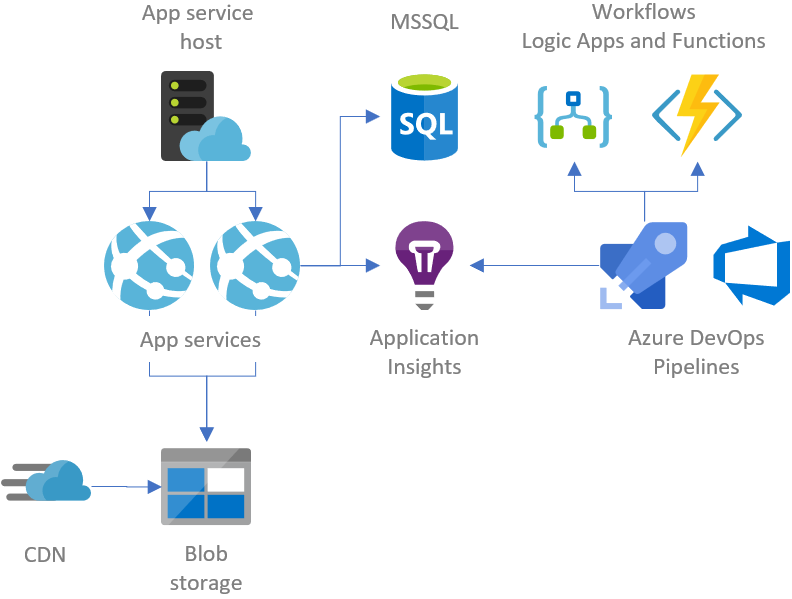
Credit: gunnarpeipman.com
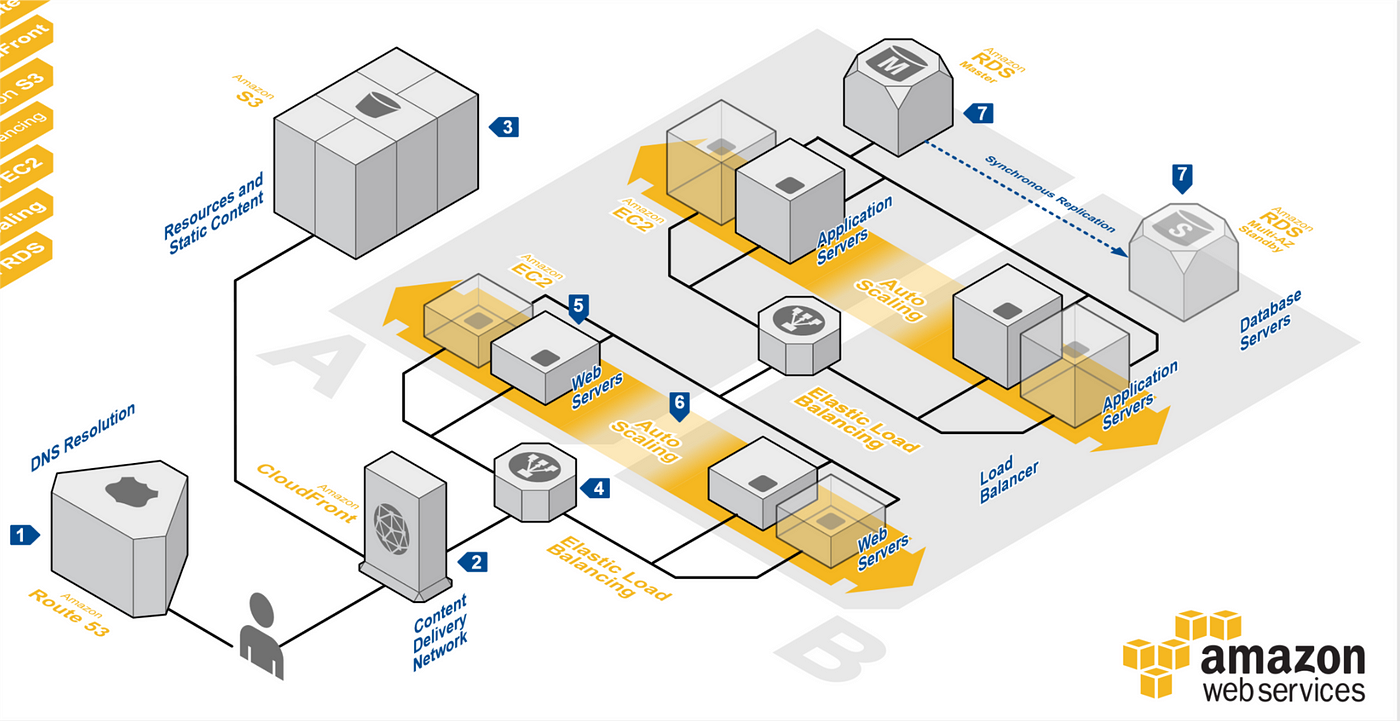
Credit: medium.com
Frequently Asked Questions
What Is Hosting A Web Application?
Hosting a web application involves storing and managing it on a server. This enables online access for users. Hosting ensures application functionality, security, and performance. It includes server configuration, domain registration, and maintenance. Different hosting options are available like shared, VPS, or dedicated hosting, depending on needs and budget.
What Is Web Hosting And An Example?
Web hosting stores and serves website files on the internet. An example is Bluehost, offering reliable hosting services.
What Are The 3 Types Of Web Hosting?
The three types of web hosting are shared, VPS, and dedicated hosting. Shared hosting is cost-effective and suitable for small websites. VPS hosting offers more control and resources for growing sites. Dedicated hosting provides full server access, ideal for high-traffic websites needing maximum performance.
What Does Application Hosting Mean?
Application hosting involves running software applications on remote servers. Users access these applications via the internet. It ensures availability, security, and scalability. This service reduces the need for local infrastructure, saving costs and maintenance efforts. Popular examples include web hosting and cloud-based applications.
Conclusion
Web application hosting is vital for online success. It ensures web apps run smoothly. Choose reliable hosts for better performance. Security is essential to protect data. Cost-effective options suit different budgets. Scalability supports growth without hassle. User-friendly interfaces make management easy.
Hosting impacts speed and uptime. These affect user experience and SEO. Understanding hosting helps make informed decisions. Businesses thrive with proper hosting. Good hosting boosts web app reliability. It’s a key part of digital strategy. Choose wisely for a strong online presence.


