
Have you ever wondered how your favorite websites are available online 24/7 or how your emails magically find their way to your inbox? It all boils down to web and email hosting.
Understanding what web and email hosting are can seem overwhelming at first, but it doesn’t have to be. Whether you’re a small business owner looking to establish an online presence or just someone curious about the digital world, getting to grips with these concepts is crucial.
Imagine having the power to keep your website live and your emails flowing seamlessly. Sounds intriguing, right? Stick around as we unravel the essentials of web and email hosting, making it simple and accessible for you.
Web Hosting Basics
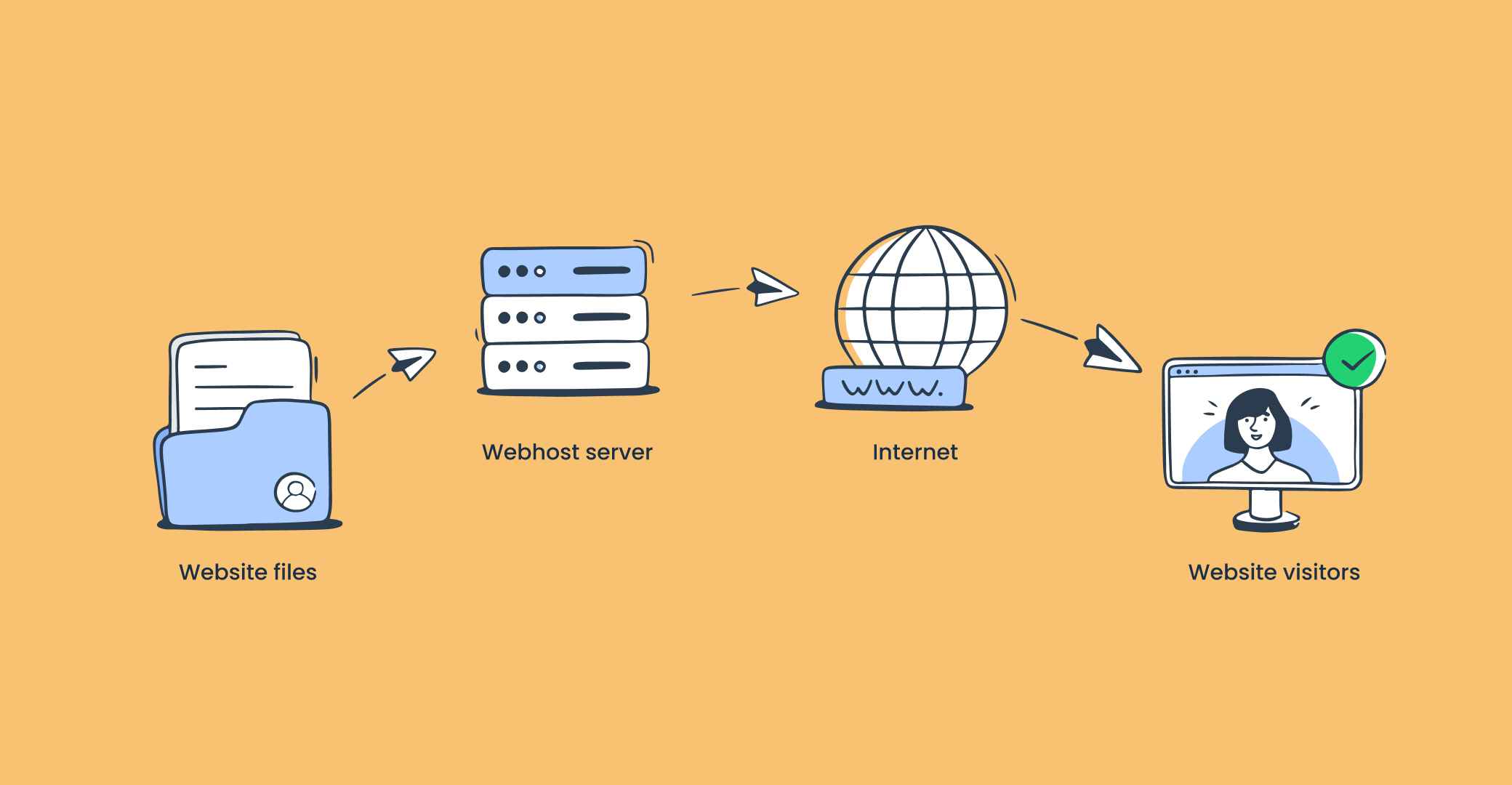
Web hosting is like renting space on the internet. It keeps your website online. Without hosting, no one can see your site. Hosting companies store your files. They have big computers called servers. These servers work all the time. This makes sure your site is always available.
There are different kinds of hosting. Shared hosting is the most common. It is cheap but slower. VPS hosting is faster. You have your own part of a server. Dedicated hosting gives you a whole server. It is very fast but costs more. Cloud hosting uses many servers. This makes it very reliable.
Email Hosting Essentials
Web and email hosting are services that store websites and manage emails on the internet. Web hosting provides space for websites, while email hosting focuses on handling email servers. These services ensure reliable online presence and communication.
Definition Of Email Hosting
Email hosting is a service for managing emails. It helps businesses and individuals. Email hosting provides custom email addresses. These addresses match the domain name. For example, info@yourdomain.com. This looks professional and trustworthy. Email hosting stores emails on servers. It ensures privacy and security. Users can access emails anytime, anywhere. It is different from free email services. Free services offer generic addresses like @gmail.com.
Features Of Email Hosting
- Custom email addresses with domain name.
- Strong security features for safe communication.
- Reliable storage for important emails.
- Access emails on multiple devices.
- Advanced spam filters keep inbox clean.
- Option for professional email signatures.
Choosing The Right Web Hosting
Shared hosting uses one server for many websites. It is often cheaper. Your website shares resources with others. It may affect speed. Dedicated hosting uses a whole server for your site. It is usually faster. It costs more than shared hosting. You get more control and security. Choose based on your needs and budget.
Shared Vs. Dedicated Hosting
Shared hosting is like living in an apartment. You share space and costs. It’s good for small sites. Dedicated hosting is like owning a house. You get all the space. It suits big sites with heavy traffic. Shared hosting is more budget-friendly.
Cloud Hosting Options
Cloud hosting uses many servers. Your site can grow easily. It is flexible and scalable. If one server fails, others help. This makes it reliable. You pay for what you use. Cloud hosting can be cost-effective. It is great for growing businesses.
Selecting An Email Hosting Service
Email security is very important. It keeps your messages safe. Bad people cannot read them. Choose a hosting service with strong security features. Look for options like spam filters. Encryption is also important. It helps keep your emails private.
Scalability and storage are key. You need enough space for emails. As your business grows, you may need more. Choose a service that offers extra storage when needed. This helps keep your emails organized and easy to find.
Benefits Of Combined Hosting
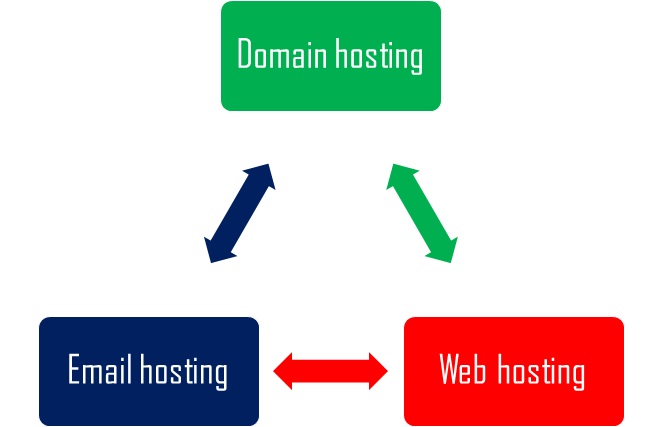
Combined hosting can save money. One provider handles both web and email. This reduces separate hosting costs. A single plan often includes everything needed. Bundling services can lead to discounts. Lower costs mean more funds for other projects. Businesses find this option budget-friendly.
Everything in one place makes things easier. Manage web and email from one control panel. It simplifies tasks and saves time. No need to switch between different providers. Users find it convenient to control settings in one spot. It helps avoid confusion and keeps things organized.

Credit: hostingblog.ie
Common Hosting Challenges
Downtime can happen anytime. This means your website might not work. Visitors get upset when this happens. They want a site that is always there. Reliability is important. If your site is down, you may lose users.
Many users will leave if there are problems. They might not return. This can hurt your business. Uptime is a key factor. Choose a host with good uptime. This helps keep users happy.
Technical support helps when things go wrong. Many people need help with web hosting. Some hosts do not have good support. This can be a problem. Support must be fast and helpful.
Users need answers quickly. Waiting can be frustrating. A good host provides 24/7 support. This way, help is always available. Good support is a big part of choosing a host.
Future Trends In Hosting
Web and email hosting are essential for online presence, providing space for websites and managing communication. Future trends focus on security, faster speeds, and user-friendly interfaces. These advancements ensure reliable and efficient services, catering to the evolving needs of businesses and individuals in the digital age.
Advancements In Cloud Technology
Cloud technology is becoming smarter. Storage is cheaper and faster. Security is stronger. People trust cloud more now. Businesses use cloud to store data. They save money and get more space. Cloud hosting is very popular. Everyone wants speed and safety. Technology is improving every day. It helps us work better and faster.
Integration With Ai And Automation
AI is helping hosting services. It makes things easy. Tasks get done quickly. Automation saves time. Hosting is more efficient. AI finds problems fast. Automation fixes them. This is smart hosting. People like it. AI makes hosting better. It understands needs. Automation helps hosting run smooth.
Credit: mailsafi.com
Credit: mailtrap.io
Frequently Asked Questions
What Is Email And Web Hosting?
Email hosting provides servers for email accounts with custom domains. Web hosting stores website files on servers, making sites accessible online. Both services require reliable providers for effective communication and web presence. They are essential for businesses seeking professional email and website management.
Do I Need Web Hosting For Email?
Web hosting is not mandatory for email services. You can use email hosting providers for standalone email solutions. Many companies offer email hosting without web hosting, enabling you to manage your emails independently. Choose a reliable provider to ensure seamless communication and security for your business emails.
What Is Meant By Web Hosting?
Web hosting is a service that provides storage space for websites on servers. It enables online accessibility for websites. Users choose from various hosting types like shared, VPS, or dedicated. Hosting companies offer security, support, and bandwidth, ensuring websites run smoothly and efficiently.
Proper web hosting enhances site performance and reliability.
What Is Web Hosting And Do I Need It?
Web hosting stores website files on servers, making them accessible online. It’s essential for launching any website.
Conclusion
Web and email hosting are crucial for online presence. They help manage websites and communication. Understanding their differences aids in choosing the right service. Web hosting stores your website’s files. Email hosting manages your emails. Both offer essential support for businesses.
Choosing wisely impacts performance and security. Reliable hosting ensures smooth operations. Good service providers offer helpful support. Evaluate your needs before deciding. Research options thoroughly. Make sure they align with your goals. Remember, a good host is like a strong foundation.
It supports your digital journey.


