
Are you looking for a hosting solution that offers more power, flexibility, and control than shared hosting? If so, VPS web hosting might be the perfect fit for you.
Imagine a hosting environment where you have your own dedicated resources, increased security, and the ability to customize your server as you see fit. Sounds appealing, right? This could be the game-changer for your website’s performance and reliability that you’ve been searching for.
As you dive into this article, you’ll uncover what VPS web hosting is, how it can benefit you, and why it might just be the answer to your web hosting needs. Let’s explore how VPS web hosting can elevate your online presence to new heights.
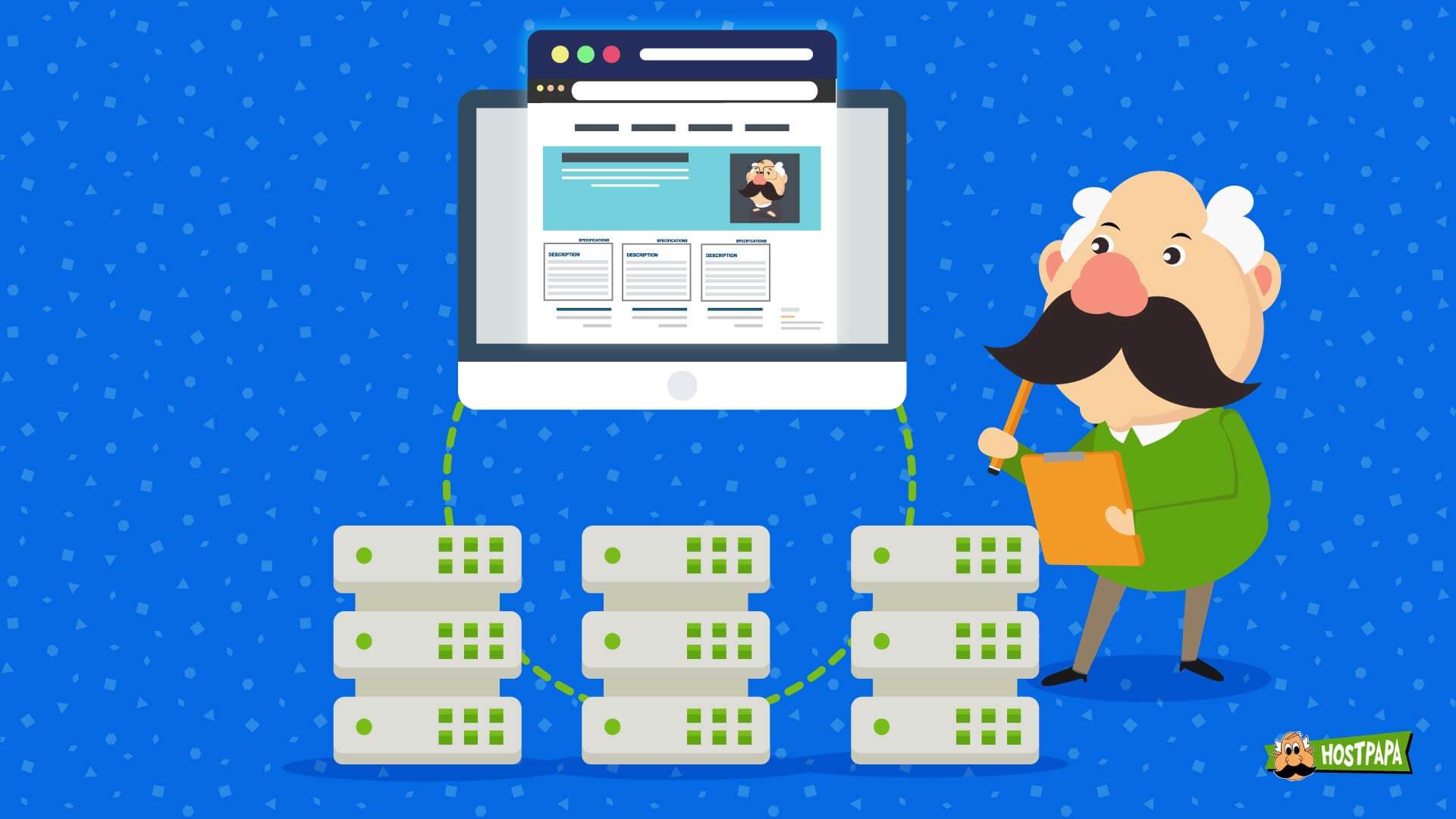
Credit: www.hostpapa.com
Vps Hosting Basics
VPS stands for Virtual Private Server. It is a hosting type. You get a virtual space on a physical server. This server is shared with others. But your space is private. It acts like a small, private server. You have more control and resources. It is like living in a condo. You share the building but have your own apartment. VPS hosting is flexible and secure. It is a step up from shared hosting.
In shared hosting, all users share the same server. Resources are shared too. This can slow your site. In dedicated hosting, you get a whole server. It is expensive but powerful. VPS hosting is in the middle. You get a private part of a server. It is more affordable than dedicated hosting. But better than shared hosting. You get more speed and security. VPS is a good choice for growing sites.

Credit: www.ovhcloud.com
Benefits Of Vps Hosting
VPS hosting gives better speed than shared hosting. Your website runs fast and smooth. The server resources are not shared. This means your site has its own space. Websites load quickly and visitors are happy.
Security is strong with VPS hosting. Your data stays safe and protected. The server is isolated from others. This reduces the risk of hacks and attacks. Security measures are in place to keep your website secure.
VPS hosting lets you grow easily. More space is available as needed. You can adjust resources based on your site’s demands. This means you have flexibility to change and adapt. Your website can expand smoothly.
VPS hosting is affordable. It costs less than a dedicated server. You pay for what you use. This helps save money while enjoying good performance. A smart choice for businesses on a budget.
Setting Up Vps Hosting
Picking a VPS plan can be tricky. Storage and RAM are key. More storage means more files. More RAM means faster speed. Check the bandwidth too. Bandwidth affects the data transfer speed. Choose based on your website needs. Don’t forget the price. Make sure it fits your budget.
VPS hosting offers different operating systems. Linux is popular. It’s free and open-source. Windows is another choice. It is user-friendly. Pick an OS based on your skills. Linux requires more technical knowledge. Windows is easier for beginners. Choose wisely.
Control panels help manage your VPS. cPanel is widely used. It’s easy to navigate. Plesk is another option. It works on both Linux and Windows. Both offer helpful tools. They make managing your server simple. Choose the one that suits your needs best.
Optimizing Your Vps
Resource allocation in VPS is vital. Ensure your server has enough CPU, RAM, and storage. Allocate resources based on your site’s needs. Regularly check performance. Use monitoring tools to track usage. Adjust resources when necessary. This prevents slowdowns and improves efficiency. Keep an eye on traffic and load. It helps maintain optimal speed.
Security is crucial for your VPS. Start with firewall setup. It blocks unwanted access. Use strong passwords and change them often. Enable SSL certificates for data safety. Regularly update security patches. Install antivirus software. Monitor for suspicious activity. Secure your server from threats.
Backups save your data. Schedule regular backups. Store them in a safe location. Update your software often. Updates fix bugs and improve security. Keep your system current. This ensures smooth operation. Avoid data loss with proper backup plans. Protect your site with frequent updates.
Common Challenges And Solutions
VPS web hosting provides dedicated resources in a virtual environment. Challenges include managing server configurations and security. Solutions involve using managed services and regular updates to ensure optimal performance and protection.
Troubleshooting Performance Issues
VPS hosting can have performance issues. These can slow down your site. Slow sites make visitors unhappy. Check the server load often. Too many tasks can cause problems. Reduce tasks to free up resources. Use caching to make things faster. Optimize images for quicker loading. Keep software updated for best performance.
Managing Traffic Spikes
Sudden traffic spikes can crash your site. Prepare with scalable resources. Ask your host about auto-scaling options. Consider a content delivery network (CDN). CDNs help manage high traffic. Keep your website light and efficient. Reduce unnecessary plugins and scripts.
Handling Security Threats
Security threats are a big problem. Use firewalls to block attacks. Install security plugins for extra protection. Keep your software updated. Old software can have security holes. Use strong passwords and change them often. Backup your data regularly. This helps in case of an attack.
Future Of Vps Hosting
VPS hosting is changing with new technologies. These technologies make hosting faster and safer. Cloud computing is one big change. It helps in storing data easily. Another change is AI integration. AI can manage tasks on its own. This saves time and reduces errors. Containerization is also getting popular. It helps in running applications smoothly. These trends make VPS hosting better for users.
VPS hosting is becoming more affordable. Many people can now use it. It is also becoming more secure. Users get better data protection. Customization options are increasing. Users can set their hosting as they like. Automation tools are growing too. These tools make tasks easier and quicker. All these trends show a bright future for VPS hosting.

Credit: www.gigde.com
Frequently Asked Questions
What Is Vps In Web Hosting?
VPS stands for Virtual Private Server in web hosting. It offers a dedicated portion of a physical server. Users gain more control, flexibility, and resources compared to shared hosting. VPS hosting provides better performance and security, making it ideal for growing websites with higher traffic demands.
Is Vps Better Than Web Hosting?
VPS offers more control and customization than shared web hosting. It’s better for growing sites needing dedicated resources. Web hosting is simpler and cheaper, ideal for beginners. Choose VPS for scalability and performance, while web hosting suits small sites with limited budgets and less technical demands.
What Are The Disadvantages Of Vps Hosting?
VPS hosting can be costly and requires technical expertise. Limited resources may affect performance during high traffic. Security risks exist if not properly managed. Scalability might be restricted compared to cloud hosting. It can be challenging for beginners due to complex server management.
Who Needs Vps Hosting?
Businesses needing more control, scalability, and security than shared hosting require VPS hosting. It suits growing websites, e-commerce platforms, and developers needing custom configurations. VPS hosting offers dedicated resources, enhancing performance and reliability. It’s ideal for users seeking a balance between affordability and functionality.
Conclusion
VPS web hosting offers control and flexibility for your website. It’s ideal for growing businesses needing more resources. With VPS, you get dedicated resources without sharing. This means better performance and security. It’s a cost-effective step up from shared hosting.
Consider your needs and budget before choosing. VPS can handle more traffic and complex websites. It’s a smart choice for those wanting more control. Explore VPS for a reliable hosting solution.


