
Are you trying to launch a website but feel lost in the sea of hosting options? You’re not alone.
One of the most common dilemmas for website owners is deciding between VPS (Virtual Private Server) hosting and traditional web hosting. This decision can impact your website’s performance, security, and scalability. So, how do you choose the right one for your needs?
In this blog post, we’ll break down the differences between VPS and web hosting in simple terms, helping you make an informed choice. By the end, you’ll know exactly which option suits your online ambitions. Stay with us, and let’s unravel the mystery together.
Vps Hosting Overview
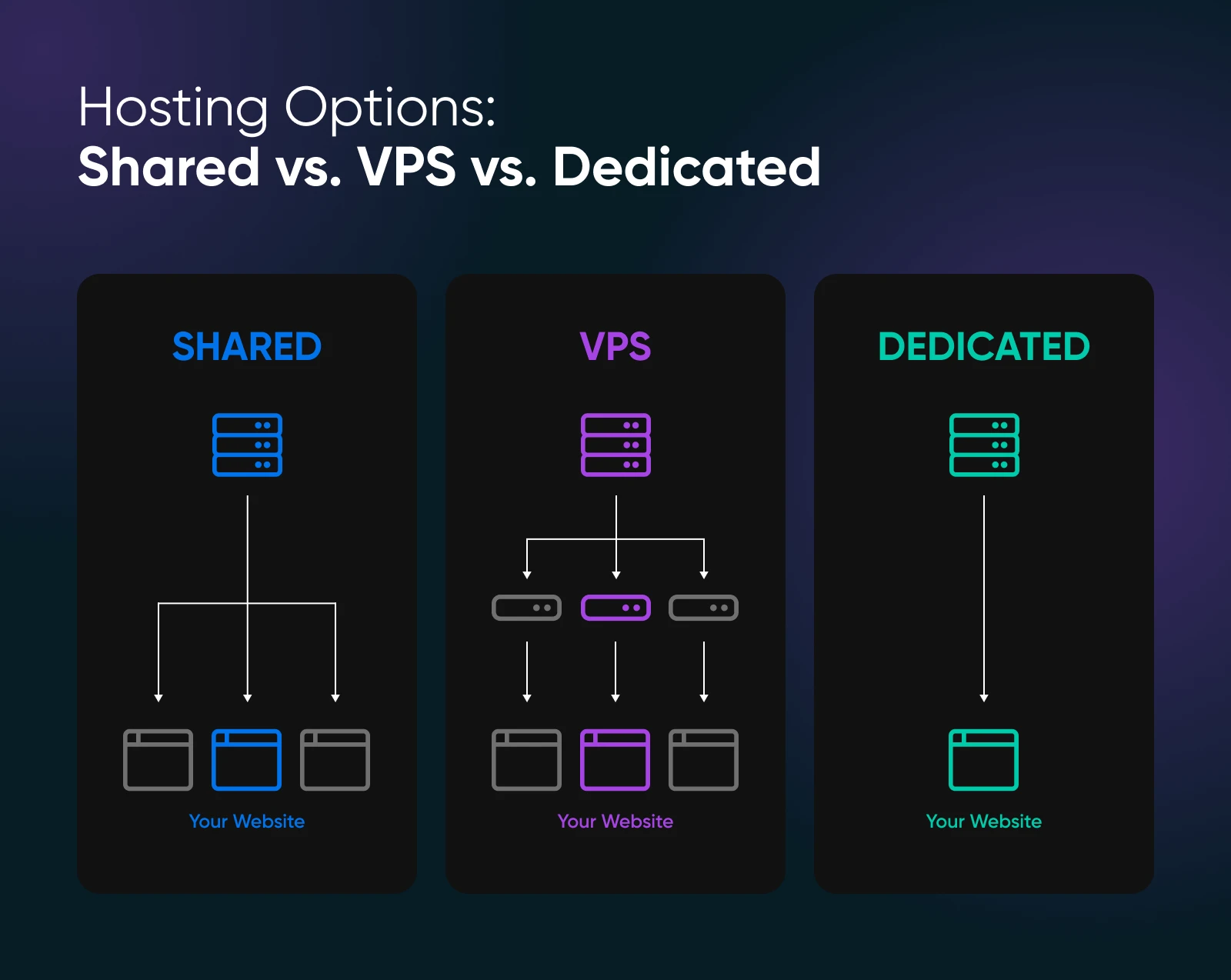
VPS stands for Virtual Private Server. It is like a small computer. This computer lives inside a bigger one. With a VPS, you get a piece of the big computer. This piece is just for you. You can use it like your own machine. It is private and secure.
A big computer is divided. It has many parts. Each part is a VPS. It uses special software. This software makes it possible. Every VPS runs its own system. It has its own resources. Like memory and storage. You can install programs. You can manage settings. All without affecting others. It is like renting a room. But in a big hotel.
Web Hosting Overview
Web hosting is a service that lets people put their websites online. Companies offer space on their servers for this purpose. These servers store all the files and data for a website. Without web hosting, a site cannot be seen by others on the internet.
Types Of Web Hosting
Shared Hosting Explained
Shared hosting is like living in an apartment. Many websites share one server. This makes it cheaper than other options. It’s good for small businesses or personal blogs. But if one site gets busy, others might slow down. It’s simple and easy to use. No need for technical skills. Just sign up and start hosting.
Key Differences
VPS hosting offers dedicated resources like CPU and RAM. This means better speed and performance. Each website on a VPS has its own space. Web hosting shares its resources among many sites. This can make websites slow. Limited control over resources.
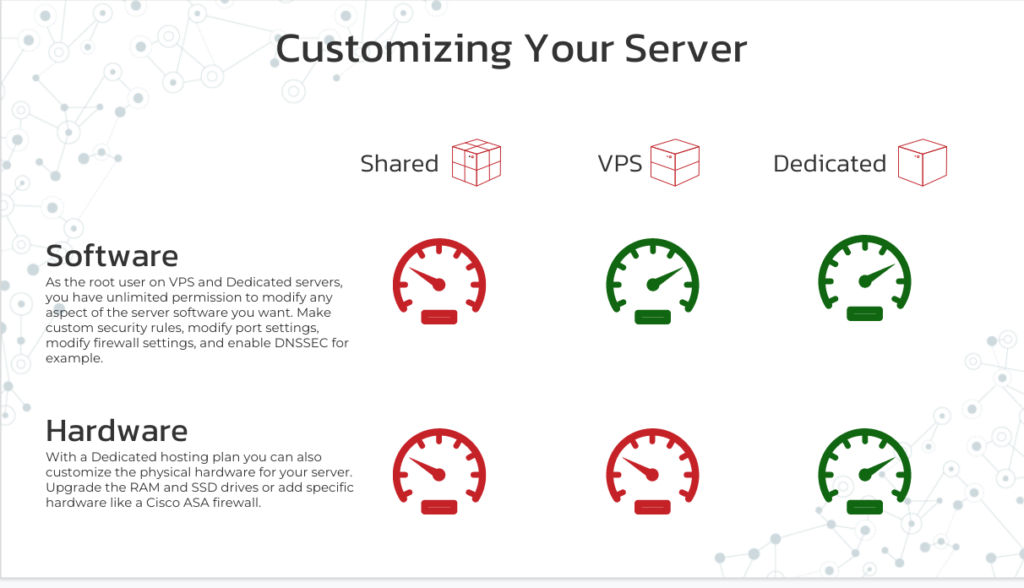
VPS is more flexible. You can install what you need. Web hosting has basic tools. Less room for changes. VPS is like having your own computer. Web hosting is like sharing a computer with friends.
VPS has strong security. Each site is separate. Attacks on one site won’t affect others. Web hosting is less secure. All sites share the same space. If one site gets attacked, others can be affected.
VPS allows custom security settings. You can add extra layers. Web hosting has standard security. Fewer options to enhance protection. VPS is better for sites needing more safety.
Pros And Cons Of Vps
VPS is like having your own space on the internet. It’s more flexible than shared hosting. You can customize it the way you want. It often has better performance. This means your website can be faster. VPS usually comes with better security. Your data is safer from other users. It can handle more traffic. If many people visit your site, it won’t slow down. Businesses that are growing may find VPS a good choice. You have more control over your server. Install the software you need. It feels like your own private server.
VPS can be more expensive than shared hosting. You need to spend a bit more. It might be harder to manage. Some technical skills are required. If you don’t know much about servers, it can be tough. Support might not always be available. Sometimes, you have to fix problems yourself. Resources are still limited. Not like a dedicated server. You might not get what you expect. Setup can take longer. You need to configure many things. This can be confusing for beginners.
Pros And Cons Of Web Hosting
VPS offers more control and customization than shared web hosting. It suits businesses needing dedicated resources. Shared hosting is cheaper but can be slower due to shared resources. Both have their pros and cons, depending on needs and budget. Choosing the right one is essential for website performance.
Benefits Of Web Hosting
Web hosting is easy to use. Many hosts offer helpful tools. These tools make website building simple. Hosts often provide 24/7 support. This is good for beginners. Web hosting can be cost-effective. Shared hosting plans are usually cheap. Many hosts also have security features. These help keep your site safe. Some hosts offer free domain names. This can save money. Web hosting has many features. These can include email accounts and databases. Web hosting is great for small websites.
Limitations Of Web Hosting
Web hosting has some limits. Shared hosting can be slow. Many users share the same server. This can affect speed. Web hosting may have limited resources. This is a problem for big websites. You might face restricted control. You can’t change server settings. Some hosts have hidden fees. These can surprise you. Uptime is not always guaranteed. Your site may go offline sometimes. Web hosting is not good for large businesses.
Credit: www.dreamhost.com
Choosing Between Vps And Web Hosting
Understanding the choice between VPS and web hosting is crucial for website management. VPS, or Virtual Private Server, offers dedicated resources on a shared server, ideal for growing sites. Web hosting shares resources among multiple sites, suitable for smaller websites with lower traffic demands.
Budget And Needs
Choosing between VPS and web hosting depends on your needs. A small budget often fits shared web hosting. It is cheaper and easy to manage. Perfect for beginners and small sites.
For more control, VPS is better. It offers more resources. VPS is costlier but flexible. Good for bigger sites and growing businesses. Think about your site’s future. Will it grow soon?
A tight budget may choose web hosting. But a need for control leans towards VPS. Choose wisely based on your website’s needs and financial situation.
Future Trends In Hosting
New technologies are changing hosting. Cloud computing is more common now. It helps websites run faster. Artificial intelligence also plays a big role. It can manage servers better. AI can fix problems quickly. Blockchain is another technology to watch. It offers more security. This is good for protecting data. Edge computing is growing too. It brings data closer to users. This makes websites load faster. More changes are expected soon.
User experience is getting better. Faster websites make users happy. Mobile-friendly designs are important. Many people use phones to browse. Voice search is popular too. Sites need to adapt to this. Security is vital for user trust. Better security keeps data safe. Personalization improves experience. Users like tailored content. Hosting helps with these trends.
Credit: www.inmotionhosting.com

Credit: www.bluehost.com
Frequently Asked Questions
Is Vps Better Than Web Hosting?
VPS offers more control and resources than shared web hosting. It’s ideal for growing websites needing scalability and flexibility. While web hosting is cost-effective for smaller sites, VPS provides better performance and security. Choose VPS for enhanced customization and independence in managing server settings.
Can A Vps Host A Website?
Yes, a VPS can host a website. It provides dedicated resources, ensuring better performance and control. VPS is ideal for managing larger websites, offering scalability and flexibility. It allows customization of server settings to optimize website functionality. Hosting on a VPS enhances security compared to shared hosting.
What Are The Disadvantages Of Vps Hosting?
VPS hosting can be costly compared to shared hosting. It requires technical knowledge for management. Resources may be limited, impacting performance. Misconfigurations can lead to security vulnerabilities. Scalability might require server upgrades.
What Is The Difference Between A Shared Web Host And A Vps?
Shared hosting involves multiple users sharing one server’s resources. VPS provides a private section of a server. VPS offers more control, flexibility, and dedicated resources. Shared hosting is cheaper but less customizable. VPS is ideal for growing websites needing better performance and security.
Conclusion
Choosing between VPS and web hosting depends on your needs. VPS offers more control and resources. It’s great for growing businesses. Web hosting is simpler and cheaper. Ideal for small websites or blogs. Consider your budget and technical skills. Think about future growth.
Both options have their benefits. Make sure to match your choice with your goals. A well-suited hosting solution ensures smooth website performance. It keeps your visitors happy and engaged. Evaluate your options carefully. Choose wisely for long-term success.


