
Have you ever wondered why your website sometimes feels slow or unresponsive? Or why your hosting provider sends you alerts about your usage?
The secret often lies in a crucial term: bandwidth. Understanding the meaning of bandwidth in web hosting is essential for anyone looking to optimize their website’s performance and avoid unexpected costs. Bandwidth is more than just a technical term; it’s the lifeline that ensures your website runs smoothly.
By grasping what bandwidth truly means and how it affects your site, you can make informed decisions that enhance your user’s experience and potentially save you money. Ready to uncover how bandwidth impacts your online presence? Let’s dive in!
Credit: www.bitcatcha.com
Bandwidth Basics
Bandwidth is the amount of data your website can send or receive. It’s like a highway. More bandwidth means more lanes. Websites with high traffic need more bandwidth. This ensures fast loading of web pages. Measured in bits per second or bps. Higher bps means faster data transfer. Websites with images and videos need higher bandwidth. It’s important for a smooth user experience.
Bandwidth affects how fast your website works. It limits the data flow. Think of it as a pipe for data. A bigger pipe allows more data to flow. Smaller pipes slow down the flow. During busy times, bandwidth is crucial. If too many users visit, it can slow down. More bandwidth helps avoid this. Important for large websites and online stores. Keeps everything running smoothly.
Importance In Web Hosting
Bandwidth is like a road for your website. It carries data from your site to users. A bigger road means more data can travel. This helps your site load fast. A narrow road can slow things down. It can make users wait. Fast sites keep visitors happy. Slow sites can lose them. So, bandwidth is vital.
User experience is how happy people are with your site. Fast loading is key. Users want quick access to pages. If a site is slow, they leave. This is bad for business. More bandwidth can help. It keeps the site running smoothly. Users stay longer when sites are fast. They will visit again. This makes a site popular.
Calculating Bandwidth Needs
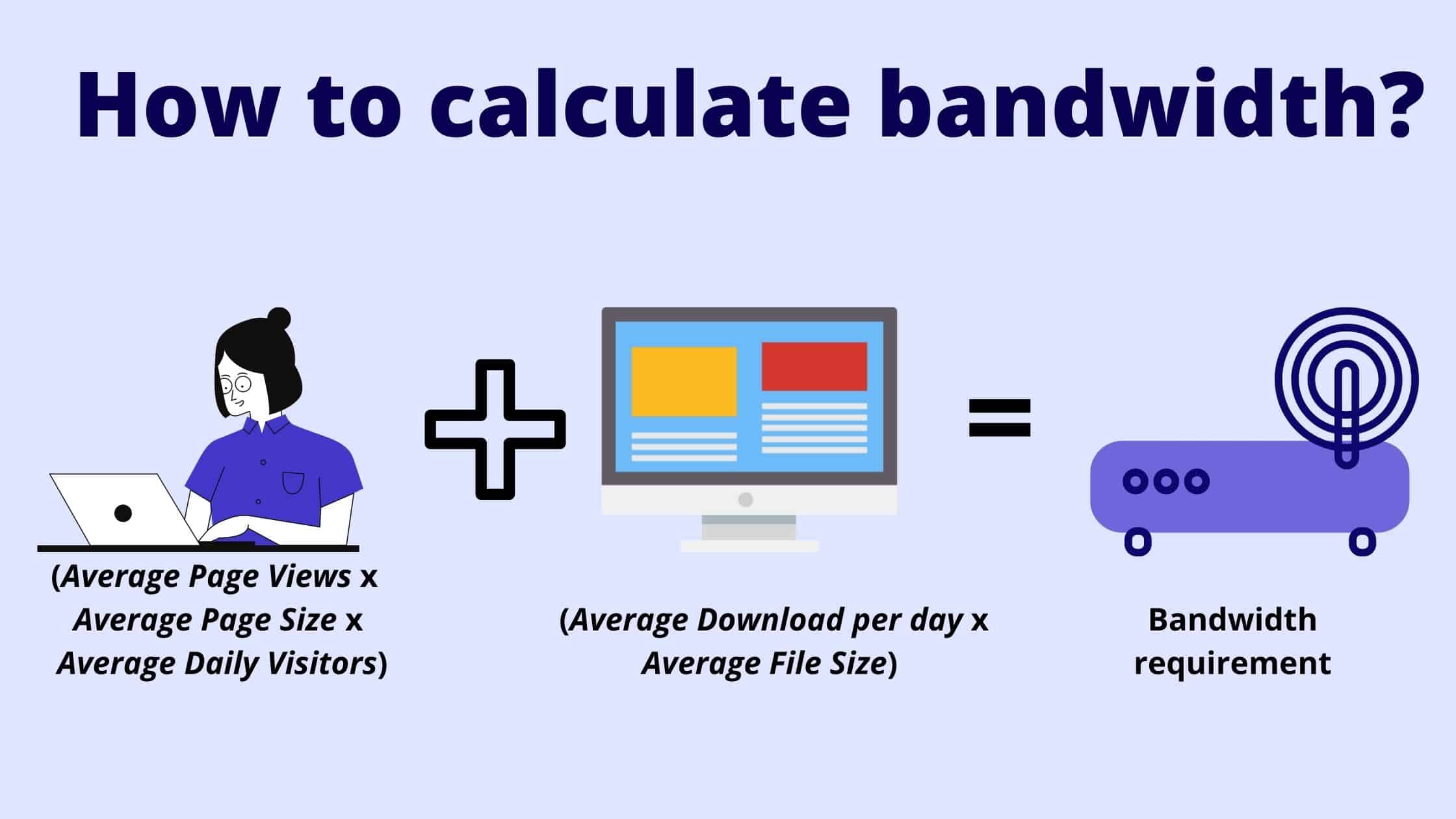
Traffic analysis helps in understanding website visitors. It shows how many people visit your site. Check the average number of visitors daily. Multiply this by page views per person. This gives the total page views. More visitors mean more bandwidth.
Content size is the amount of data on each page. Images, videos, and text take up space. Calculate the average size of your web pages. Multiply by total page views. This tells you how much data is transferred. Big files need more bandwidth. Simple pages use less bandwidth.
Types Of Bandwidth Plans
Bandwidth in web hosting refers to the amount of data transferred between a website and its users. Different plans offer varied limits, catering to small blogs or large e-commerce sites, ensuring efficient data flow and optimal performance for all types of online platforms.
Metered Bandwidth
Metered bandwidth means you pay for what you use. Each month, the usage is tracked. If you go over the limit, extra charges apply. This plan suits websites with steady traffic. It’s also good for sites with predictable data needs. Costs can be higher if traffic spikes suddenly.
Unmetered Bandwidth
Unmetered bandwidth means no strict limits on data use. You pay a flat fee each month. This is great for growing websites. It helps sites with varying traffic too. Costs are stable, even if traffic rises. It’s ideal for businesses expecting growth. But, the speed can be capped by the host. Always check the fine print for hidden limits.
Bandwidth Management Strategies
Optimizing content delivery helps in saving bandwidth. Use content delivery networks (CDNs) to distribute web content. CDNs store content close to users. This reduces data travel time. Also, compress images and files. Smaller files use less bandwidth. This makes websites load faster. Another tip is to enable browser caching. Cached data reduces repeated downloads. It saves bandwidth and speeds up browsing. Each of these steps is simple. They make a big difference in efficiency.
Regularly check your bandwidth usage to avoid surprises. Use tools to track data traffic. These tools show how much bandwidth each part uses. They help spot problems early. Adjust settings based on this data. This ensures smooth operation. Always set alerts for high usage. Alerts notify you before limits are reached. Monitoring helps in better planning. It prevents website slowdowns.

Credit: www.elegantthemes.com
Choosing The Right Hosting Plan
Bandwidth in web hosting refers to the amount of data transferred between your site and users. Choosing the right hosting plan involves matching your bandwidth needs to ensure smooth performance. This affects how quickly users can access your site content.
Assessing Your Requirements
Understand your website’s needs first. Bandwidth is the data your site uses. A small blog uses less bandwidth. A video site uses more. Plan based on traffic and content. Big files need more bandwidth. Predict growth to avoid problems. Choose a plan that fits future needs.
Comparing Hosting Options
Many hosting options exist. Shared hosting is budget-friendly but limits resources. VPS hosting offers more control and space. Dedicated hosting provides the most power. Each option has pros and cons. Consider cost, features, and support. Match the option to your site’s needs.
Future Trends In Bandwidth
Bandwidth in web hosting refers to the amount of data your site transfers over the internet. Future trends suggest increasing demand for higher bandwidth due to growing digital content and multimedia usage. Efficient bandwidth management will be crucial as websites become more interactive and data-heavy.
Impact Of Emerging Technologies
Emerging technologies are changing bandwidth needs. Internet of Things connects many devices. This needs more data flow. Cloud computing also uses a lot of bandwidth. It stores and processes data online. Virtual reality gives a lifelike experience. This needs fast data transfer.
Predictions For Bandwidth Growth
Bandwidth will grow quickly in the coming years. 5G technology will lead to faster internet speeds. This will increase bandwidth use. More online content will need higher bandwidth. Streaming videos and games use a lot of data. Smart homes will become common. They will need more bandwidth for connected devices.
Credit: kripeshadwani.com
Frequently Asked Questions
What Does Bandwidth Mean In Web Hosting?
Bandwidth in web hosting refers to the amount of data transferred between your website and users. Higher bandwidth allows more data exchange, enhancing site performance and user experience. It’s crucial for managing traffic and ensuring smooth website functionality. Choosing adequate bandwidth prevents slow loading times and potential site crashes.
What Is A Good Bandwidth For A Website?
A good website bandwidth typically ranges from 1 to 5 GB per month for small sites. Larger websites or those with high traffic might need 10 GB or more. Assess your site’s size, traffic, and media content to determine exact bandwidth needs.
Regularly monitor and adjust as necessary.
How Much Bandwidth Do I Need To Host A Website?
Determine your bandwidth by estimating monthly visitors and average page size. Typically, 10GB is sufficient for small sites.
Is 100gb Bandwidth Enough For A Website?
100GB bandwidth is typically sufficient for small to medium websites with moderate traffic. High traffic sites or those hosting large files may need more. Regularly monitor usage to avoid overages. Consider future growth and user experience when estimating bandwidth needs.
Conclusion
Understanding bandwidth is vital for web hosting choices. It determines data transfer. More bandwidth means smoother website performance. Think about your website’s needs. Consider visitor traffic and content size. Choose a hosting plan with enough bandwidth. This ensures a seamless user experience.
Avoid slow load times and frustrated visitors. Regularly monitor your bandwidth usage. Adjust your plan as needed. This helps keep your site running efficiently. With the right bandwidth, your website can handle growth. It stays accessible and responsive. Keep learning about hosting terms.
Make informed decisions for your online presence.


