
Have you ever wondered what exactly a host domain is and why it matters for your website? Understanding this simple concept can make a huge difference in how your site performs online.
Whether you’re starting a blog, setting up an online store, or just curious about how websites work, knowing what a host domain is will give you an edge. This article will break it down clearly and show you why it’s important for your online presence.
Keep reading to unlock the key to making your website stand out and run smoothly.
Credit: www.youtube.com
Host Domain Basics
Understanding the host domain is key to grasping how websites work. It helps you know where a website lives on the internet. This section explains the basics of the host domain in simple terms.
Knowing these basics helps you understand web addresses and how they connect to websites.
Definition Of Host Domain
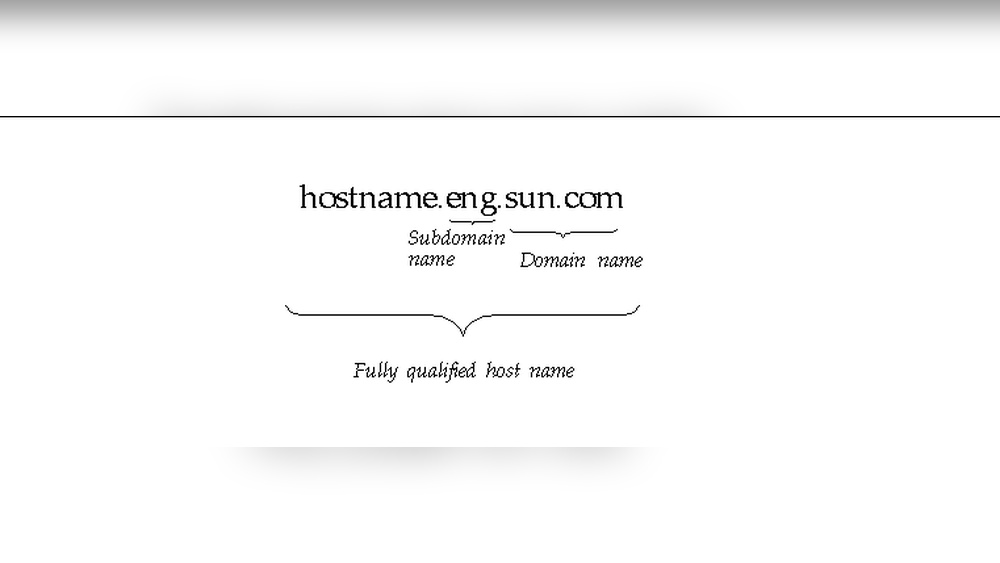
The host domain is the specific part of a web address that points to a server. It tells the internet where to find a website. Usually, it includes the main domain and sometimes a subdomain.
For example, in “blog.example.com,” “blog” is the host domain, guiding users to a specific site section.
Role In Web Addresses
The host domain directs web traffic to the correct server. It helps browsers load the right page fast. Each host domain links to a unique internet location.
This system makes the internet organized and easy to navigate.
Difference Between Host And Domain
The domain is the main name of a website, like “example.com.” The host is a part of that domain that points to a specific server or service.
The host can be a subdomain or a server name. The domain is broader and shows the website’s identity.
Components Of A Web Address
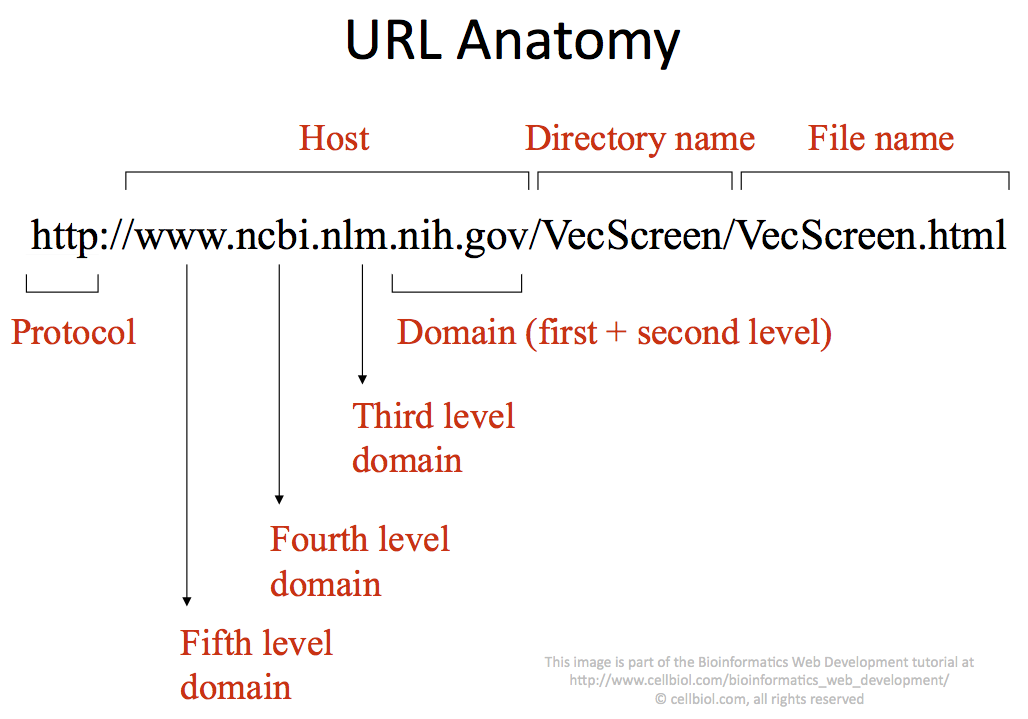
A web address, also called a URL, shows the exact location of a website online. It helps browsers find the site you want to visit. A web address has several parts, each with a clear role. Understanding these parts makes it easier to grasp how websites work.
Protocol And Subdomain
The protocol tells your browser how to connect to the website. The most common protocols are “http” and “https”. HTTPS is safer because it encrypts data between you and the site.
The subdomain comes before the main domain name. It divides the website into sections. For example, “blog.example.com” uses “blog” as the subdomain.
Domain Name Structure
The domain name is the main part of the web address. It identifies the website you want to visit. It usually has two parts: the site name and the domain extension.
For example, in “example.com,” “example” is the site name. The domain name must be unique so users find the right site.
Top-level Domains Explained
Top-level domains (TLDs) are the last part of a web address. They appear after the dot, like “.com” or “.org”.
TLDs show the website type or country. For example, “.com” is for commercial sites. “.edu” is for schools. Country codes like “.uk” represent the United Kingdom.
How Host Domains Work
Understanding how host domains work helps you grasp how websites appear online. Host domains connect website names to their digital locations. This process involves several key steps. Each step ensures your browser finds the website you want quickly and correctly.
Domain Name System (dns)
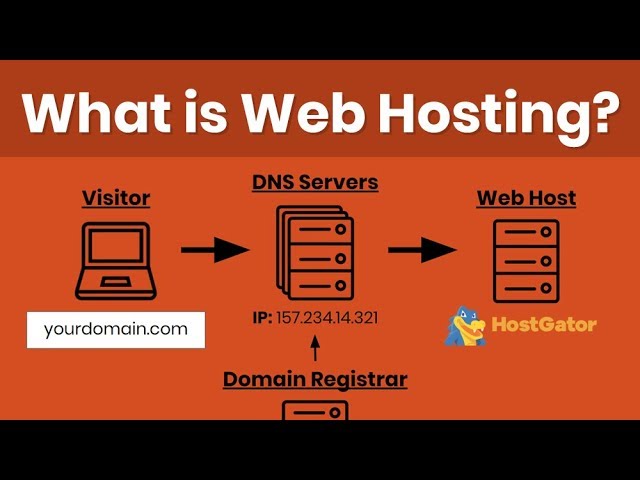
The Domain Name System, or DNS, acts like the internet’s phonebook. It translates website names into computer-friendly addresses. Without DNS, you would need to remember long strings of numbers. DNS makes website names easy to use for humans.
Ip Address Mapping
Every website has a unique IP address, a series of numbers. IP addresses tell computers where to find websites. DNS matches the domain name to its IP address. This mapping allows your device to connect to the right server.
Server Hosting And Domain Linking
Websites live on servers, which are powerful computers. Hosting means storing website files on these servers. The domain links your website name to the server’s location. This connection lets users visit your website by typing the domain name.
Credit: www.youtube.com
Types Of Host Domains
Host domains come in various types. Each type serves a unique purpose on the internet. Understanding these types helps you choose the right domain for your website. Below are the main categories of host domains.
Generic Top-level Domains (gtlds)
Generic Top-Level Domains are the most common domain types. Examples include .com, .net, and .org. These domains do not represent a country. They are open for registration by anyone. Many businesses and individuals use gTLDs for their websites.
Country Code Top-level Domains (cctlds)
Country Code Top-Level Domains are specific to countries. For example, .uk stands for the United Kingdom, and .jp represents Japan. These domains show a website’s connection to a country. They help target local audiences effectively. Many countries control their ccTLDs strictly.
Sponsored Top-level Domains
Sponsored Top-Level Domains are specialized domains. They are managed by private organizations or groups. Examples include .edu for education and .gov for government sites. These domains have strict rules for who can register. They serve specific communities or industries.
Choosing A Host Domain
Choosing a host domain is a key step for your website. It defines your online identity and affects how users find and remember you. Picking the right domain needs careful thought to match your goals and audience.
Factors To Consider
Think about your website’s purpose and target audience. A clear, simple domain name helps visitors recall your site easily. Avoid long or complex names that confuse users. Consider using keywords related to your business. This makes your domain more relevant and easier to find.
Branding And Seo Impact
Your domain name plays a big role in branding. It should reflect your brand’s personality and values. A strong domain builds trust and professionalism. For SEO, include important keywords without overstuffing. Search engines rank sites better with clear, relevant domains. This can increase your site’s visibility and traffic.
Domain Availability And Registration
Check if your desired domain name is available. Use domain registration sites to search quickly. Choose a reliable registrar with good support and security. Register your domain for several years to protect it. Consider common extensions like .com or .net. These are familiar and trusted by most users.
Credit: www.cellbiol.com
Managing Host Domains
Managing host domains is essential for maintaining a website’s identity and accessibility. It involves several important steps to ensure the domain works correctly and remains under your control. Proper management helps avoid downtime and security risks.
Domain management requires attention to detail and timely actions. Each step affects how your website performs and how visitors find your site online. Understanding these basics makes the process easier and more effective.
Domain Registration Process
Registering a domain means choosing a unique name for your website. You must select a registrar, a company authorized to sell domain names. The process includes checking if the domain name is available. Once confirmed, you provide your contact details and pay a fee. After registration, the domain is yours to use for a set period.
Renewal And Ownership
Domain names expire after a set time, usually one year. Renewing your domain on time keeps your website live. Missing renewal can cause loss of ownership. Keep your contact information updated to receive renewal reminders. Ownership means you control the domain and can transfer it if needed.
Security Measures For Domains
Protecting your domain prevents unauthorized access or theft. Use strong passwords for your registrar account. Enable two-factor authentication for extra security. Regularly monitor domain settings for any changes. Consider domain locking to stop unauthorized transfers.
Frequently Asked Questions
What Is A Host Domain In Web Hosting?
A host domain is the main address that identifies a website online. It links the site to a web server. This allows users to access the website using a simple name instead of an IP address.
How Does A Host Domain Work With Dns?
The host domain works with DNS by translating domain names into IP addresses. DNS servers ensure browsers find the correct server hosting the website. This process enables quick and accurate website access.
Can A Host Domain Affect Website Performance?
Yes, a host domain can impact website speed and uptime. Choosing a reliable domain host ensures fast loading times and minimal downtime. This improves user experience and SEO rankings.
What Is The Difference Between Host Domain And Domain Name?
A domain name is the website’s address, while the host domain refers to the server hosting that domain. The host domain stores website files, enabling the domain name to display the site online.
Conclusion
The host domain plays a key role in website identity and access. It helps users find and visit your site easily. Choosing the right domain name supports your brand and boosts trust. Understanding its function makes managing websites simpler. Keep your domain clear and relevant for best results.
Now, you have a solid idea of what a host domain is and why it matters. Use this knowledge to make smart decisions about your online presence.


