
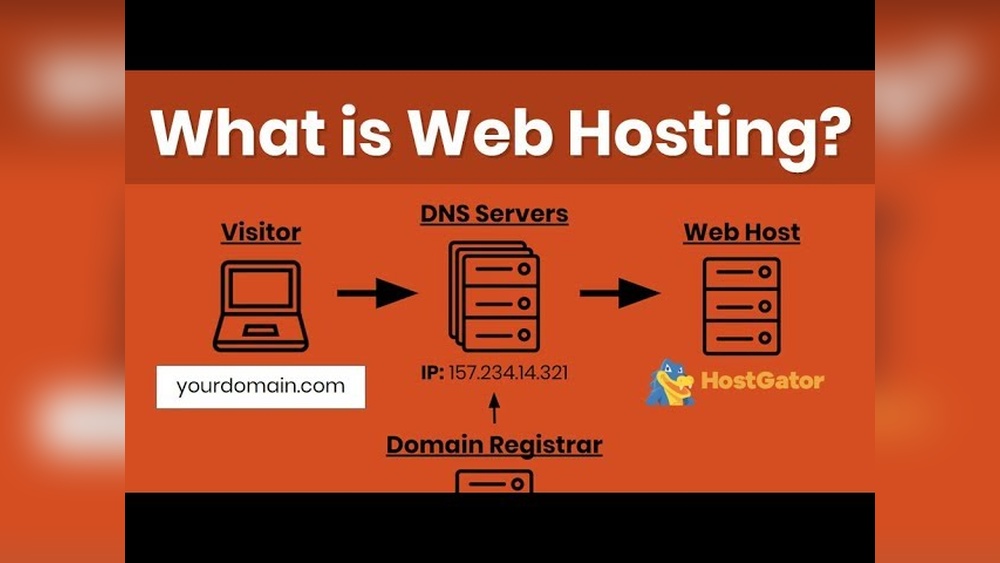
Are you confused about the terms domain hosting and site hosting? You’re not alone.
Many people mix them up, but knowing the difference is key to getting your website up and running smoothly. Understanding how these two work will save you time, money, and headaches. Keep reading, and by the end, you’ll know exactly what you need to make your website a success.
Domain Hosting Basics
Understanding domain hosting is key to building a website. It helps connect your website name to the internet. This section explains the basics of domain hosting in simple terms.
Knowing how domain hosting works makes setting up your site easier. It clarifies the role domain names play in online presence.
What Is Domain Hosting
Domain hosting is the service that manages your website’s domain name. It keeps your site’s address active and reachable. Without domain hosting, your website name cannot be found online.
This service stores your domain registration and directs visitors to your site. It acts as a bridge between your domain name and your website hosting.
Role Of Domain Names
A domain name is the web address people type to visit your site. It replaces the hard-to-remember IP addresses with simple words.
Domain names help users find your site easily. They also give your brand a professional look.
Choosing the right domain name is important for identity and traffic. It represents your website on the internet.
How Domain Hosting Works
Domain hosting works by linking your domain name to a server. This server stores your website files and data.
When someone types your domain in a browser, domain hosting directs the request to the server. The server then shows the website to the visitor.
This process happens quickly to give smooth access to your site. Domain hosting ensures your website address stays live and connected.
Site Hosting Essentials
Site hosting is a key part of getting your website online. It means storing your website files on a server. This server allows people to visit your site anytime. Understanding site hosting helps you choose the right service.
Many hosting options fit different needs. Knowing how site hosting works can save time and money. Let’s explore the basics of site hosting.
What Is Site Hosting
Site hosting is a service that keeps your website accessible. It stores all your website files safely. These files include images, text, and code. Hosting makes sure your site is live 24/7. Without hosting, your website stays offline.
Types Of Site Hosting
Several types of hosting exist. Shared hosting is common and affordable. Many websites share the same server here. VPS hosting offers more power and control. Dedicated hosting gives you a whole server. Cloud hosting spreads your site across servers. Each type suits different budgets and needs.
How Site Hosting Works
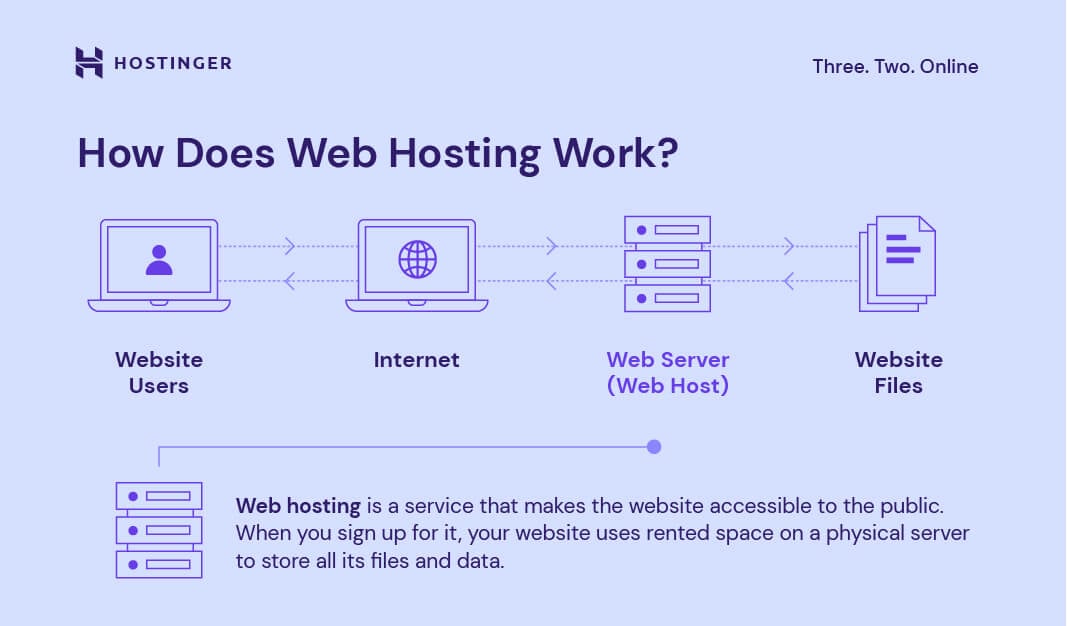
When you buy hosting, you get server space. You upload your website files to this space. The server connects to the internet constantly. When visitors enter your web address, the server sends files to their browser. This process shows your website on their screen. Hosting providers keep servers secure and fast.
Key Differences Between Domain And Site Hosting
Understanding the key differences between domain hosting and site hosting helps clarify their roles. Both are essential for getting a website online, yet they serve different purposes. Knowing how they work can make managing your website easier and more efficient.
Domain hosting and site hosting often confuse beginners. This section breaks down their main differences clearly.
Purpose And Functionality
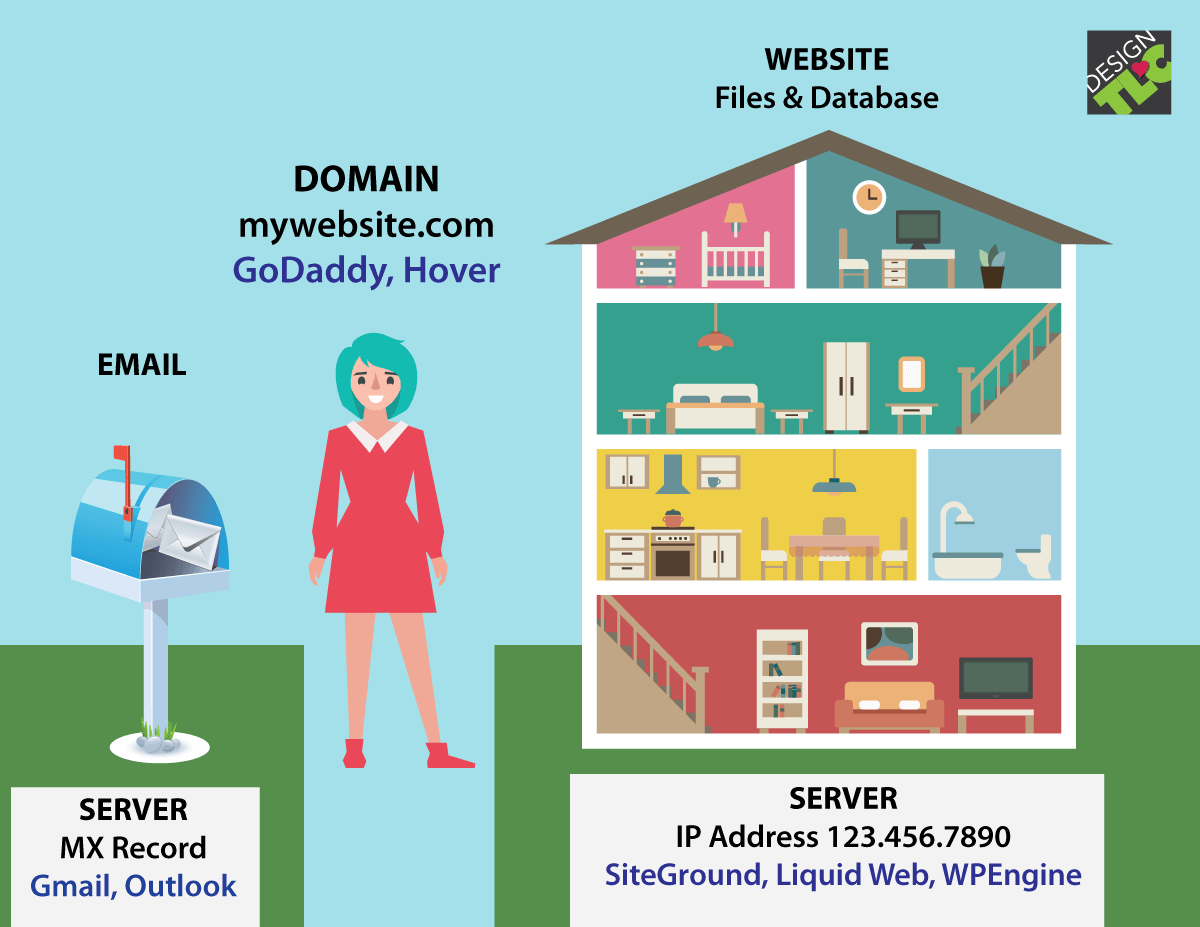
Domain hosting stores the website’s address, also called the domain name. It connects the web address to the right location on the internet. Site hosting stores the actual website files like images, text, and videos. It makes the website visible and accessible to visitors online.
Technical Components
Domain hosting involves managing DNS records. These records tell browsers where to find your website. Site hosting uses servers with storage space and bandwidth. It handles all the data and traffic your website receives from visitors.
User Interaction
Users interact with site hosting by visiting the website. They see content and navigate pages stored on the site host. Users rarely notice domain hosting directly. They just use the domain name to reach the website without seeing the technical side.
Credit: www.hostinger.com
Choosing The Right Hosting
Choosing the right hosting is important for your website’s success. It affects speed, security, and how easily people find your site. Understanding the difference between domain hosting and site hosting helps you pick the best option. This choice depends on what your website needs and your goals.
When To Opt For Domain Hosting
Domain hosting is best when you only need to secure a web address. It keeps your domain name registered and active. This option suits those who want to reserve a name without building a website yet. It is simple and cost-effective for name protection.
When Site Hosting Is Needed
Site hosting is necessary when you want to publish a website online. It stores your website files and makes them visible to visitors. Use site hosting if you want people to see your content, images, or products. It supports website design, databases, and email services.
Combined Hosting Solutions
Some providers offer both domain and site hosting together. This option simplifies management and billing. It suits beginners who want one service for all needs. Combined hosting ensures your domain and website work seamlessly.
Common Misconceptions
Many people confuse domain hosting and site hosting. This leads to mistakes when setting up websites. Understanding these terms helps avoid problems and saves time.
Both domain hosting and site hosting are important. Yet, they serve different purposes. Knowing this difference makes website management easier.
Domain Hosting Vs Site Hosting Confusion
Some think domain hosting and site hosting are the same. They believe buying a domain means the website is ready. Not true.
Domain hosting only manages the website’s address. Site hosting stores the website’s files and data. They work together but do not overlap.
Clarifying Hosting Terminologies
Domain hosting means renting space for your domain name. This keeps your website address active and reachable.
Site hosting means renting server space for your website files. This makes your site visible and functional online.
Knowing these terms clears confusion. It helps in choosing the right services for a website.
Credit: designtlc.com
Setting Up Domain And Site Hosting
Setting up domain and site hosting is the first step to getting your website online. Both domain and hosting work together but serve different roles. The domain is your website’s address on the internet. Hosting is where your website files live. Understanding how to set them up helps avoid confusion and delays.
Registering A Domain
Start by choosing a domain name that fits your brand or purpose. Use a domain registrar to check if the name is available. Once you find a free name, register it by providing your details and paying a fee. Domain registration usually lasts one year and can be renewed.
Selecting A Hosting Provider
Next, pick a hosting provider that suits your website needs. Consider factors like speed, uptime, and support. Hosting plans vary from shared to dedicated servers. Choose one based on your budget and website size. Signing up is straightforward and often includes a control panel for easy management.
Linking Domain To Site Hosting
After registering your domain and buying hosting, link them together. This involves changing the domain’s nameservers to the hosting provider’s servers. Nameserver details are found in your hosting account. Once updated, your domain points to your hosting space. It might take a few hours to a day to work fully.
Costs And Management
Understanding costs and management helps you choose between domain hosting and site hosting. Both involve fees and tasks but differ in what they cover. Knowing these differences saves money and effort.
Pricing Differences
Domain hosting usually costs less than site hosting. You pay a yearly fee to keep your domain name. Site hosting charges depend on storage, bandwidth, and features. Hosting plans range from basic to advanced prices.
Renewal And Maintenance
Domain renewal happens yearly and is simple. Site hosting renewals can be monthly or yearly. Hosting needs regular updates and backups to run well. Domain management needs less attention than site hosting.
Security Considerations
Domain hosting security focuses on domain privacy and lock. Site hosting security protects website data and files. Hosting often includes firewalls, SSL certificates, and malware scans. Both need attention but protect different parts.

Credit: dorik.com
Frequently Asked Questions
What Is Domain Hosting In Simple Terms?
Domain hosting refers to registering and managing your website’s domain name. It ensures your site has a unique web address.
How Does Site Hosting Differ From Domain Hosting?
Site hosting stores your website files on servers, making your site accessible online. Domain hosting manages your website’s address.
Can I Have Domain Hosting Without Site Hosting?
Yes, domain hosting is independent. You can register a domain name without hosting website files.
Why Do I Need Both Domain And Site Hosting?
Both are essential. Domain hosting provides your website address; site hosting stores your website content online.
Conclusion
Domain hosting and site hosting serve different purposes for your website. Domain hosting gives your site a name people can find. Site hosting stores your website’s files and makes them visible online. Both work together to make your site accessible.
Understanding their roles helps you set up your website right. Choose each service based on your needs. This way, your website runs smoothly and is easy to find. Simple but important.


