

Have you ever wondered what makes a website actually appear online? You might have heard the terms “website hosting” and “domain,” but do you really know how they differ—and why both are essential for your site?
Understanding this difference is key to building your online presence without confusion or wasted money. You’ll discover exactly what website hosting and domains are, how they work together, and why getting them right matters for your success. Keep reading, and you’ll never mix them up again.
Credit: www.youtube.com
Website Hosting Basics
Understanding website hosting is key to creating a website. Hosting stores your website’s files on the internet. It makes your site available to visitors worldwide. This section explains the basics of website hosting.
What Hosting Means
Hosting means storing website data on a server. A server is a powerful computer connected to the internet. It holds your website’s files, images, and content. Without hosting, your website cannot be seen online.
Types Of Hosting Services
There are different types of hosting to fit your needs. Shared hosting is the cheapest, where many sites share one server. VPS hosting offers more control with fewer users per server. Dedicated hosting gives you a whole server for your site alone. Cloud hosting uses multiple servers for better speed and reliability.
How Hosting Works
When someone visits your website, their browser requests files from the server. The server sends these files back to the browser. This process happens quickly to show your website on the screen. Good hosting ensures your site loads fast and stays online without interruptions.
Domain Name Essentials
A domain name is a key part of your website. It acts as your website’s address on the internet. People type this address to visit your site. Understanding domain name essentials helps in building a strong online presence.
Choosing and managing a domain name is simple but important. It involves selecting a name, registering it, and keeping it active. This process ensures your website is easy to find and remember.
Role Of A Domain Name
A domain name identifies your website to users and search engines. It replaces complex IP addresses with easy words. This makes it simple for visitors to access your site. The domain name also reflects your brand and helps build trust.
Domain Registration Process
Registering a domain name means reserving it for your use. You select a name and check if it is available. Then, you buy it through a domain registrar. Registration lasts for a set period, usually one year. Renewing on time keeps your domain active and secure.
Choosing The Right Domain
Pick a domain name that is short and easy to spell. Avoid numbers and hyphens as they confuse visitors. Use keywords related to your business for better search results. Make sure the name is unique to stand out from competitors.
Hosting Vs Domain: Key Differences
Website hosting and domain names are two basic parts of creating a website. Many people confuse them, but they serve very different purposes. Understanding their differences helps you build a better website and manage it easily.
Hosting and domain work together to make your website visible online. Each has a unique role and requires separate handling. Let’s explore their key differences to clear up the confusion.
Function Comparison
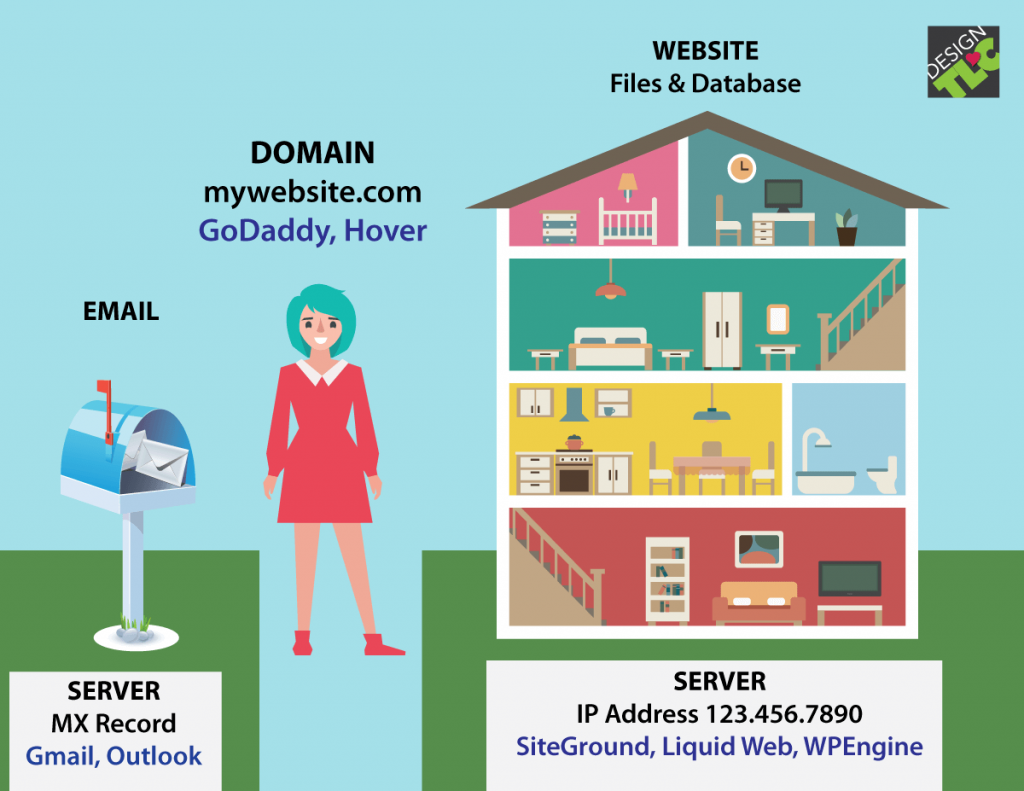
A domain name is your website’s address on the internet. It tells users where to find your site. Hosting is the space where your website lives. It stores all your site files and data. Without hosting, a domain cannot show any website.
Cost Factors
Domains usually cost less and are paid yearly. Hosting costs vary based on space, speed, and features. Hosting often requires monthly or yearly payments. Both costs are necessary to keep a website online.
Technical Requirements
Domains need simple setup, mostly registration and renewal. Hosting needs more technical work like server setup and maintenance. Hosting may require basic knowledge of control panels and file management. Domains are easier to manage than hosting.
Credit: designtlc.com
How Hosting And Domain Work Together
Website hosting and domain names work closely to make your website accessible online. The domain name is your website’s address. Hosting is where your website’s files live. Together, they connect visitors to your site quickly and smoothly.
Without a domain, visitors cannot find your website easily. Without hosting, your website has no place to store its files. Linking a domain to hosting ensures your website appears when someone types your address into a browser.
Connecting Domain To Hosting
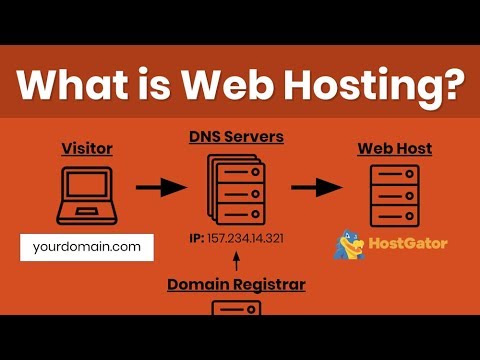
Connecting a domain to hosting means linking your website address to the server holding your files. You do this by updating the domain’s settings to point to the hosting provider. This connection tells browsers where to find your website content.
Dns And Its Importance
DNS stands for Domain Name System. It acts like a phone book for the internet. It translates domain names into IP addresses, which computers use to locate websites. Without DNS, users would need to remember long numbers instead of simple domain names.
DNS plays a key role in directing traffic. It ensures visitors reach the correct hosting server. Fast and reliable DNS helps your website load quicker for visitors worldwide.
Common Setup Steps
First, buy a domain name from a registrar. Then, sign up for a hosting service. After that, get the hosting provider’s nameservers or IP address. Next, enter these details into your domain’s DNS settings. Finally, wait for the changes to spread across the internet.
This setup links your domain with your hosting. It makes your website live and visible to all users. The process is usually simple and done through user-friendly control panels.
Common Mistakes To Avoid
Many beginners confuse website hosting and domain names. This confusion can cause problems. Avoiding common mistakes saves time and money. Understanding the roles of hosting and domains is key. Choosing the right provider matters. Managing domain renewals prevents website downtime.
Misunderstanding Hosting And Domain Roles
Website hosting stores your site files on a server. The domain is your website’s address on the internet. People type the domain to visit your site. Mixing these two causes delays in setting up your website. Hosting without a domain means no easy way to find your site. A domain without hosting means no content to show visitors.
Choosing Poor Hosting Providers
Cheap hosting often means slow websites and frequent crashes. Poor support makes fixing problems hard. Choose providers with good uptime and fast servers. Quality hosting improves user experience and search rankings. Free hosting may have limits that hurt your site’s growth. Spend wisely on hosting to avoid future headaches.
Domain Renewal Issues
Domains expire if not renewed on time. Expired domains can be bought by others. This causes loss of website access and visitors. Set reminders for renewal dates. Use auto-renewal options to avoid missing deadlines. Keep your contact info updated to get renewal alerts.
Tips For Selecting Hosting And Domain
Selecting the right hosting and domain is crucial for your website’s success. Both affect your site’s performance and identity. Choosing carefully helps avoid future problems. This section provides simple tips to guide your decision.
Evaluating Hosting Features
Check the storage space and bandwidth offered. Make sure it meets your website needs. Look for uptime guarantees to keep your site online. Fast servers improve user experience and SEO. Support availability matters if you face issues. Consider hosting types: shared, VPS, or dedicated. Each suits different website sizes and budgets.
Picking A Memorable Domain
Choose a domain that is easy to spell and remember. Short names work best for branding and sharing. Avoid numbers or special characters that cause confusion. Pick a domain extension like .com or .net. Use keywords related to your business for better visibility. Check if the domain is available and not trademarked.
Security Considerations
Secure hosting protects your website from attacks. Look for SSL certificates included with hosting. SSL encrypts data and builds trust with visitors. Regular backups prevent data loss in emergencies. Choose hosts with strong firewalls and malware scanning. Keep your domain registrar information private to avoid scams.

Credit: dorik.com
Frequently Asked Questions
What Is Website Hosting In Simple Terms?
Website hosting is a service that stores your website’s files on a server. It makes your site accessible online 24/7. Without hosting, your website cannot be viewed on the internet.
How Does A Domain Differ From Hosting?
A domain is your website’s address, like www. example. com. Hosting is the space where your website lives. Domains direct visitors, while hosting stores your site’s content.
Can I Have A Domain Without Hosting?
Yes, you can register a domain without hosting. But without hosting, your website won’t have any content to display online.
Why Do I Need Both Domain And Hosting?
A domain names your website, making it easy to find. Hosting stores your site’s files so users can access them anytime.
Conclusion
Understanding the difference between website hosting and domain helps build your site right. A domain is your site’s address, while hosting stores your website files. Both work together to make your website visible online. Choosing the right hosting and domain keeps your site fast and reliable.
Now, you can pick what fits your needs best. Simple steps lead to a strong online presence. Keep these basics in mind for your website success.


