
Have you ever wondered about the difference between web hosting and colocation? If you’re looking to expand your online presence or improve your website’s performance, understanding these two options is crucial.
Choosing the right one can significantly impact your business, affecting everything from website speed to security. We’ll break down the key differences between web hosting and colocation in simple terms, so you can make an informed decision that best suits your needs.
Dive in, and discover which option will unlock the full potential of your online strategy.
Web Hosting Basics
Shared hosting is like sharing a room. Many websites use the same server. This option is cheap. It is perfect for beginners. But, websites can be slow. Other sites on the server can affect yours.
Dedicated hosting means you get your own server. No sharing here. This option is more expensive. But, it’s faster and more secure. Ideal for big websites. You control everything.
VPS is a mix of both. It’s like having your own space. But, you still share a server. Each VPS has its own resources. Faster than shared hosting. Cheaper than dedicated hosting. A good choice for growing websites.

Credit: www.fs.com
Colocation Essentials
Data centers offer strong security and constant power. They keep servers cool and safe. Many centers have backup generators. Fire protection systems are in place. They help keep equipment secure.
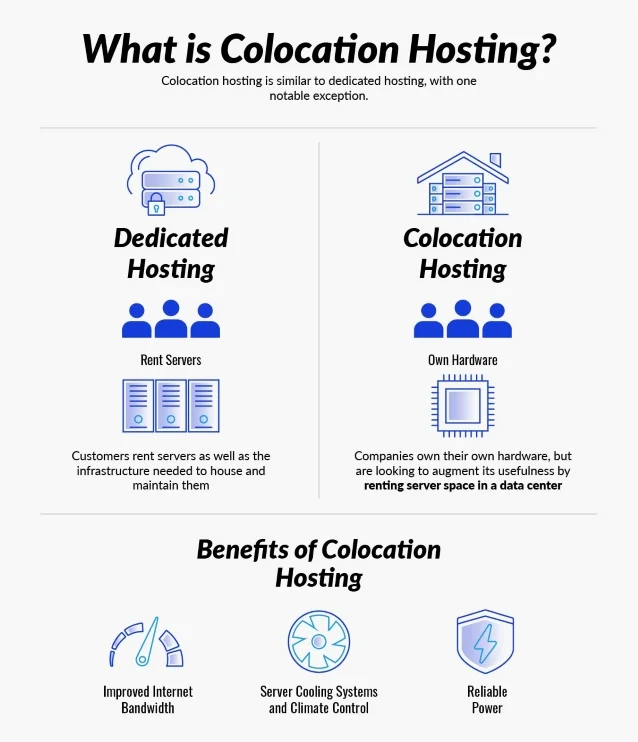
Customers bring their own servers. They own their hardware. The center provides space and support. Maintenance is customer’s duty. Ownership means control over equipment.
Data centers have many network choices. They connect to high-speed internet. Reliability is key. Centers offer fiber connections. Flexible options suit different needs. Customers choose what works for them.
Cost Implications
Pricing Models differ greatly between web hosting and colocation. Web hosting often has a fixed monthly fee. This covers space and services. Colocation, however, may require upfront costs for hardware. Monthly fees can be higher for colocation. This is because you pay for rack space and electricity.
Hidden costs can surprise many users. Web hosting is usually straightforward. Colocation may have extra charges. These could include maintenance fees. Sometimes, there are charges for technical support. It’s important to read contracts carefully. This helps avoid unexpected bills.
Performance Factors
Web hosting provides server space managed by a provider, while colocation involves renting space for your own server. Web hosting is simpler with less control, whereas colocation offers full control over hardware. Both options cater to different business needs and preferences.
Speed And Reliability
Web hosting and colocation offer different speeds. Web hosting shares resources with many websites. This can slow down your site. Colocation provides dedicated resources. This helps your site run faster. Reliability is important too. Web hosting may face downtime. This can happen during high traffic. Colocation offers better uptime. Your site stays online more often.
Scalability
Web hosting has limits. You may have trouble growing your site. Colocation allows easy growth. You can add more servers. As your site grows, so can your resources. Web hosting plans are fixed. Colocation is more flexible. You can adjust as needed. This helps your site handle more visitors. It also helps handle more data.
Security Considerations
Web hosting provides shared server space, often with limited control over security measures. Colocation offers more control, allowing clients to implement their own security protocols, as they use dedicated server space in a data center.
Physical Security
Physical security is crucial for both web hosting and colocation. Web hosting providers often have data centers with strong physical security measures. These include controlled access, surveillance cameras, and security personnel. Colocation facilities, on the other hand, usually have more advanced security protocols. They offer individual locked cabinets or cages for equipment. Access control is stricter, with biometric systems and key cards. This ensures only authorized persons can access the servers.
Data Protection
Data protection involves keeping information safe from unauthorized access or loss. Web hosting services often provide basic security features. This includes firewalls and software-based encryption. Colocation offers more control over security measures. Businesses can choose their own firewall settings, encryption, and backup solutions. This allows for customized security according to specific needs.
Technical Support
Service Level Agreements (SLAs) are important for web hosting and colocation. They promise how much help you will get. Web hosting providers often have strict SLAs. These agreements ensure that services run smoothly. Colocation centers may have different SLAs. These can vary based on the service you choose. Knowing the SLAs can help you decide which service is best for you. Think about what help you need. Then, look for SLAs that promise that help.
Customer Support Options are also different. Web hosting companies usually offer 24/7 support. This means you can get help anytime. Colocation providers might have limited support times. Or, they may charge extra for certain help. It’s important to know what support you need. Then, choose a provider that offers that support. Good support helps fix problems fast. This can keep your website running smoothly.
Use Cases
Web hosting provides online storage for websites, while colocation offers space for personal servers in a data center. Businesses choose web hosting for simplicity and colocation for control over hardware.
Ideal Scenarios For Web Hosting
Web hosting is best for simple sites. Small businesses love it. It offers easy setup. No need for special skills. Hosting providers handle all tech stuff. They offer support 24/7. Great for blogs and small shops. Costs are low. Plans fit different needs. Perfect for beginners.
When To Choose Colocation
Colocation suits big companies. They have many servers. They need control over hardware. Colocation offers space in data centers. Companies maintain their equipment. It’s good for high security needs. Costs can be higher. But it gives flexibility. Ideal for tech-savvy teams.
Credit: www.webwerks.in
Future Trends
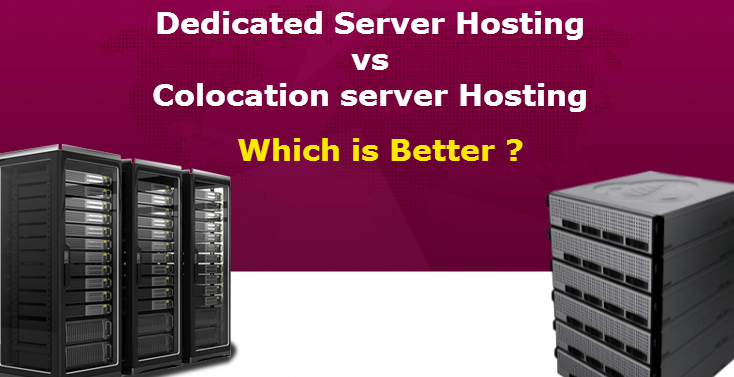
Exploring the difference between web hosting and colocation reveals unique benefits. Web hosting involves storing your website on a server managed by a provider. Colocation lets you place your own server in a data center for better control and resources.
Understanding these options helps in choosing the right infrastructure for your needs.
Advancements In Web Hosting
Web hosting is growing fast. Cloud technology is a big part of this change. Hosting services are now more flexible. They can scale up or down easily. This helps businesses save money. Security features are also improving. Hosts offer better protection from cyber threats. Many hosts now use AI to manage resources. This can make websites run smoother and faster. Eco-friendly options are also popular. Some hosts use green energy to power servers. This helps the environment.
Colocation In The Cloud Era
Colocation is changing too. Cloud services make it more efficient. Businesses use colocation for data security. Colocation centers offer high-speed connections. This is important for big data. Hybrid solutions are common now. They mix cloud with colocation. This gives more control over data. Colocation centers also upgrade their hardware. They use advanced cooling systems. This keeps equipment safe and running well. Remote management is easier now. It lets users control systems from far away.
Credit: www.atlantic.net
Frequently Asked Questions
What Is The Difference Between Colocation And Hosting?
Colocation involves renting space for your own servers in a data center. Hosting provides server resources managed by the hosting provider. Colocation offers control, while hosting provides convenience and support. Choose colocation for hardware control; opt for hosting for ease and management.
What Is The Difference Between Hosting And Co Hosting?
Hosting involves managing and organizing an event. Co-hosting shares responsibilities with another person. Hosting is solo, co-hosting is collaborative. Both roles aim to ensure event success.
What Are The 3 Types Of Web Hosting?
The three types of web hosting are shared, VPS (Virtual Private Server), and dedicated hosting. Shared hosting is affordable and suitable for beginners. VPS hosting offers better performance and control. Dedicated hosting provides maximum resources and customization for large websites.
What Is The Difference Between Colocation And Dedicated Hosting?
Colocation involves renting space in a data center for your servers. Dedicated hosting provides exclusive use of a server managed by a hosting company. Colocation gives more control over hardware, while dedicated hosting offers convenience with maintenance and support.
Conclusion
Choosing between web hosting and colocation depends on needs. Web hosting is simple and managed. Colocation offers control and flexibility. Companies with tech skills may prefer colocation. Web hosting suits those wanting ease. Costs vary, with colocation often higher. Both options have pros and cons.
Understanding your business needs is key. Analyze resources, budget, and technical skills. Make a choice that aligns with your goals. Remember, the right decision boosts online presence.


