
Imagine you’re setting up a new online business or launching a personal blog. You’re excited about sharing your ideas with the world, but then you stumble upon terms like “web host” and “domain.”
Suddenly, it feels like you’re deciphering a foreign language. You’re not alone! Many people find these terms confusing, especially when they’re starting out. But understanding them is crucial to your online success. So, what is the difference between a web host and a domain?
Knowing this can save you time, money, and unnecessary headaches. You’ll discover what each term means, how they work together, and why they are essential for your website. By the end, you will have a clear understanding that empowers you to make informed decisions about your online presence. Keep reading to unlock the secrets behind these essential components of your website!
Web Host Basics
Web hosting is a service. It helps you store your website files. These files are on special computers called servers. People can see your site when they type your domain. A web host makes sure your website is online. It handles many visitors at once. Web hosts also provide security for your site. They keep your data safe.
There are different types of web hosting. Shared hosting is one kind. You share a server with other sites. It is cheaper but can be slow. VPS hosting is another type. You still share but have more control. Dedicated hosting gives you your own server. It is more expensive but faster. Each type has its own benefits.
Credit: www.youtube.com
Domain Name Essentials
Domain names are like street addresses on the internet. They help us find websites easily. Without domain names, you would need to remember long numbers, called IP addresses. This would be hard for most people.
Definition And Function
A domain name is a unique name for a website. It can be .com, .org, or .net. Think of it as the name of a book. It tells you where to find it. Without a domain name, finding websites would be tough.
Domain Name System (dns)
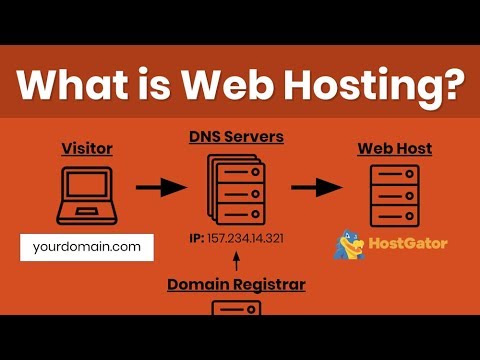
The Domain Name System, or DNS, acts like a phone book for the internet. It matches domain names to IP addresses. DNS makes browsing easy. You type a name; DNS finds the site. It works behind the scenes, making everything smooth.
Key Differences
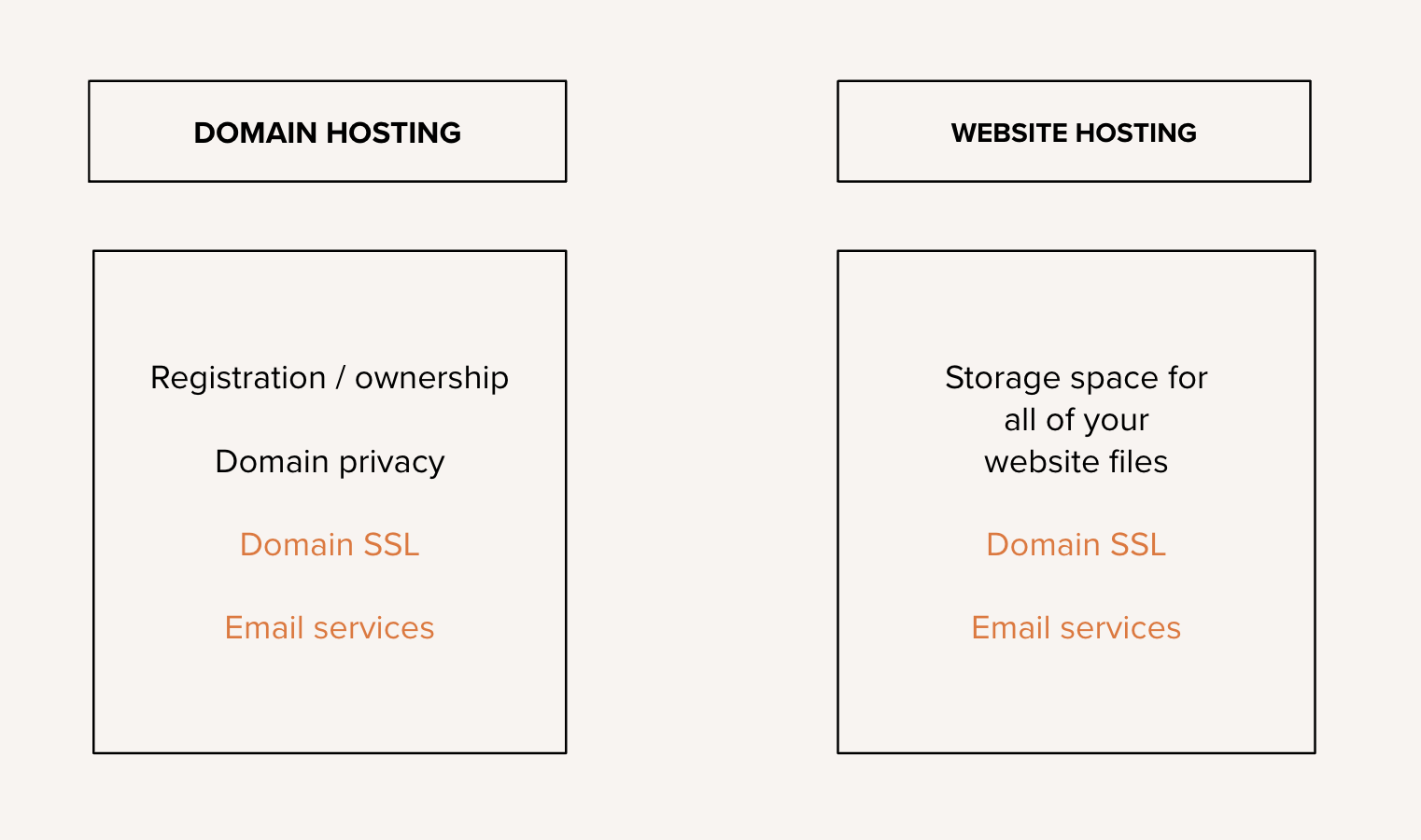
A domain name is like your address online. You own it. It points to your website. A web host stores your website files. You rent space on their server. Control varies. Domains have more control options. Web hosts offer control too. But it’s limited. Domains need renewal. Web hosts need payment. Both are needed. Each plays a key role. Without both, a site can’t exist.
Web hosts make websites visible. They store files. They serve files to users. A domain directs users to hosts. Think of domains as guides. Hosts are the destination. Both are essential. Without a domain, users can’t find you. Without a host, users can’t see your site. Each part is crucial for online presence. Domains and hosts work together. They create a complete website experience.
How They Work Together
Web hosting and a domain are like a house and its address. The web host is the house. It stores the website’s files. The domain is the address. It helps people find the website online. Both are needed to make a website work. They are like a team.
Integration Process
The domain points to the web host. This helps users reach the site. You must connect them correctly. This is called DNS configuration. It’s like telling the address where the house is. Without it, visitors can’t find the site. This process is simple but crucial.
Impact On Website Performance
A good web host makes sites load fast. This keeps users happy. A strong domain helps users trust the site. Both affect how a site works. Together, they ensure a smooth experience. It’s important to choose wisely.
Choosing The Right Web Host
Choosing a web host is important for your website. Many factors need attention. First, think about the cost. Some web hosts are cheap. Others cost more. Check your budget. Next, look at storage space. More space means more room for files. Also, consider uptime. This tells how often your site stays online. Most hosts offer 99% uptime.
Customer support is another key factor. Good support helps solve problems fast. Some hosts offer 24/7 support. Others may not. Check their reviews. See what others say. Lastly, think about features. Some hosts offer extra tools. These can help with building your site. Choose a host that fits your needs.
Many web hosting services are well-known. Some are Bluehost, HostGator, and SiteGround. Bluehost is popular for new users. It is easy to use. HostGator is good for businesses. It offers many plans. SiteGround is known for great support. Many people trust it.

Credit: dorik.com
Selecting A Domain Name
Choose a short name. It’s easy to remember. Short names are easy to type. Avoid using numbers. They can confuse people. Use simple words. This makes it easy to spell. Make sure it’s unique. A unique name stands out. Check if the name is available. Some names are taken. Use a tool to check.
Find a registrar you trust. They help you register the name. Create an account with them. This is a simple step. Choose your domain name. Make sure it’s available. Pay the fee. This makes it yours. Keep your contact info updated. It’s important. This helps you stay connected.
Common Misconceptions
Many think web host and domain name are the same. This is not true. A web host is like a house. It stores all your website files. A domain name is like an address. It tells people where your house is.
Some believe buying a domain gives them a website. In reality, you need both a domain and a host. Without the host, your site won’t be online. Without the domain, people can’t find your site. Both are essential for a website.
Myths And Facts
| Myth | Fact |
|---|---|
| Domains are websites. | Domains are just addresses. |
| Hosting is optional. | Hosting is necessary. |
| One provider does all. | Separate providers often needed. |
Credit: thedesignspace.co
Frequently Asked Questions
Are Domain And Web Hosting The Same?
Domain and web hosting are not the same. A domain is your website’s address, while web hosting stores your website’s files. Both are essential for a website to be accessible online. You need a domain name to find the site and hosting to display its content.
Is Godaddy A Host Or Domain?
GoDaddy offers both domain registration and web hosting services. Users can purchase domain names and hosting packages. This makes GoDaddy a one-stop solution for creating and managing websites. They provide various hosting options, including shared, VPS, and dedicated hosting, alongside domain management services.
Do You Need A Domain To Host A Website?
Yes, a domain is essential for hosting a website. It gives your site a unique address online. Without a domain, visitors can’t access your site. Registering a domain ensures your website has a recognizable identity. Both domain and hosting are crucial for a successful online presence.
Is The Host Name The Same As The Domain Name?
A host name is not the same as a domain name. The host name identifies a specific machine within a domain, while the domain name represents the entire network. Host names are usually prefixed to a domain name, like “mail” in “mail.
example. com”.
Conclusion
Understanding web host and domain differences helps in building websites. Web hosts store site files, making them accessible online. Domains are unique names directing users to your site. Both are essential for a functional website. Choose a reliable host and a memorable domain name.
This ensures smooth online operations and easy user access. Consider your site needs when selecting services. A strong web presence begins with the right choices. Keep your site secure and well-maintained. This attracts more visitors and improves user experience. Empower your online journey with informed decisions.


