
Choosing the right web hosting can feel overwhelming, especially when deciding between Linux and Windows hosting. You’re not alone in this; many people face the same confusion.
The decision you make impacts your website’s performance, security, and compatibility. But don’t worry—understanding the differences doesn’t have to be complicated. Imagine boosting your website’s speed, security, and reliability by simply picking the right hosting platform. You’ll uncover the key differences between Linux and Windows web hosting.
By the end, you’ll feel confident in making the best choice for your website’s needs. Let’s dive in and explore which hosting option aligns perfectly with your online goals.
Operating System Basics
Linux is a popular choice for web hosting. It is known for being stable and secure. Many websites use Linux because it supports open-source technologies. These include PHP, MySQL, and Apache. Linux hosting is often cheaper than Windows hosting. It is preferred by many developers because of its flexibility. Also, Linux servers can run for long times without needing a reboot. This makes them very reliable.
Windows hosting runs on a Windows server. It supports technologies like ASP.NET and Microsoft SQL Server. This hosting is best for sites using Microsoft tools. Windows hosting is often more expensive than Linux. It is known for being easy to use, especially for those familiar with Windows. Some prefer it for its integrated features. Windows servers need updates more often than Linux. This can mean more downtime for websites.

Credit: www.hostgator.com
Server Compatibility
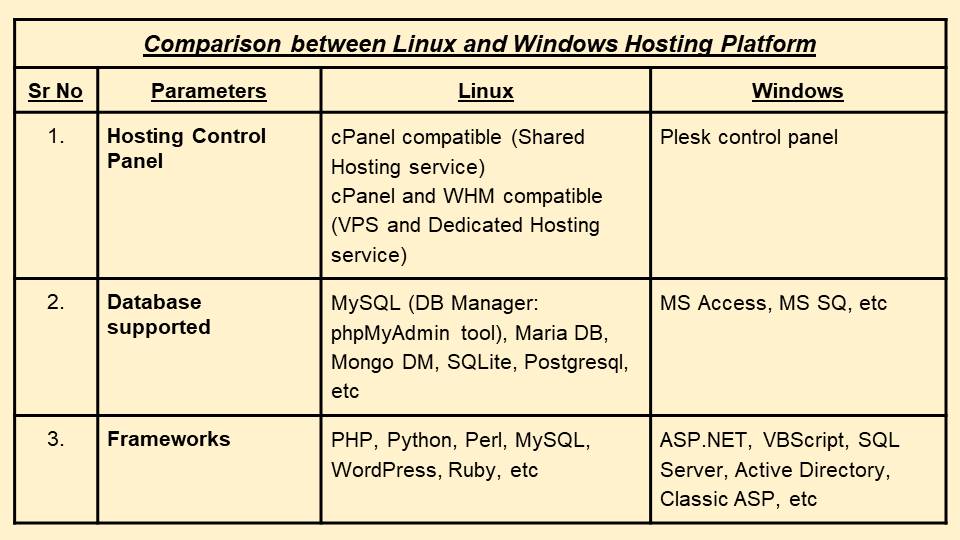
Linux hosts use open-source software. Apache and PHP are common. Windows hosts use Microsoft software. IIS and ASP.NET are popular. Linux is great for developers. It supports many languages. Windows is ideal for businesses. It offers Microsoft tools. Both have strengths.
Linux supports MySQL and PostgreSQL. These are free and reliable. Windows supports SQL Server. It is powerful but costs more. Linux databases are flexible. They are used in many projects. Windows databases are secure. They are popular in corporate settings. Each has its benefits.
Security Features
Linux hosting often boasts strong security through open-source community updates. Windows hosting relies on regular patches from Microsoft. Both offer robust features, but differ in approaches and user preferences.
Linux Security Advantages
Linux is known for its strong security features. It uses permissions to control access. Files can be read, written, or executed by only authorized users. This limits potential threats. Many developers prefer Linux for its open-source nature. Bugs are fixed quickly. The community works together to improve security. Regular updates ensure systems remain safe. Linux also supports firewalls for added protection. This makes Linux a top choice for secure hosting.
Windows Security Measures
Windows offers several security measures for web hosting. It uses antivirus software to detect threats. Regular updates help fix vulnerabilities. Windows has a user-friendly interface for managing security settings. It supports firewalls to protect from attacks. Windows also uses encryption to keep data safe. However, some users find Windows less secure than Linux. It’s important to configure settings properly. This ensures maximum protection.
Performance And Reliability
Linux hosting often offers faster speeds. This is because it uses fewer system resources. It can handle more tasks at once. Windows hosting might be slower. It needs more resources to run. Both aim for high uptime. This means they stay online as much as possible. Linux usually has better uptime due to its simplicity. Windows can be just as reliable with the right settings.
Linux servers use less memory and CPU. This means they can host more websites. They handle many visitors well. Windows servers use more resources. Sometimes, this can slow things down. But, Windows offers unique tools and features. This can be good for certain websites. Both systems need regular updates. This keeps them running smoothly.
Cost Considerations
Linux hosting is usually cheaper than Windows hosting. Linux uses free software, cutting costs. Windows needs a license for its software. This adds to the price. Companies often pass these costs to customers. Linux hosting often has simple pricing plans. Windows hosting can have more complex plans.
Linux is a good choice for budget users. Windows is best for those needing specific software. Both have their advantages. It depends on your needs. Linux gives more value for money if you need basic hosting. Windows hosting might be costlier but offers special features.
Credit: www.otherarticles.com
Ease Of Use
Windows hosting has a familiar look. It feels like using a Windows computer. Everything is easy to find. This makes it user-friendly for beginners. Linux hosting, on the other hand, uses a system called cPanel. It might be confusing for new users. But it offers more control for experts. Both systems have their own advantages. Choose based on what you need.
Windows hosting often comes with 24/7 support. This is helpful if you need quick help. You can talk to someone anytime. Linux hosting has a large community. Many people share tips and help online. Sometimes, this support is free. But it might take time to find answers. Think about how much support you need.
Customization And Flexibility
Open Source Benefits of Linux are many. Linux is open source. Anyone can change it. This makes it very flexible. People can add features they want. It’s great for developers. They can see and change the code. This makes Linux very customizable. Many people love this freedom.
Proprietary Solutions of Windows are different. Windows is not open source. Only Microsoft can change it. This can be good for some people. It means the system is stable. It’s also easy to use. Many people find it user-friendly. This is why businesses choose Windows. They want something reliable and simple.

Credit: hosting.com
Frequently Asked Questions
Which Is Better, Windows Hosting Or Linux Hosting?
Choosing between Windows and Linux hosting depends on your needs. Linux hosting is cost-effective, supports PHP and MySQL, and offers stability. Windows hosting is ideal for ASP. NET applications and provides easy integration with Microsoft services. Consider your website’s technology requirements and budget to determine the best option.
Is Linux Or Windows Better For Websites?
Linux is often preferred for websites due to its stability, security, and cost-effectiveness. Windows can be suitable for sites requiring specific Microsoft technologies. Choose based on your technical needs and budget. Both offer robust performance; Linux is popular for open-source flexibility, while Windows is known for ease of use.
What Is The Difference Between Linux Shared Hosting And Windows Shared Hosting?
Linux shared hosting supports PHP, MySQL, and is cost-effective. Windows hosting supports ASP. NET, MSSQL, and is pricier. Choose based on your website’s software needs. Both offer reliability and security.
What Is The Difference Between Linux Hosting And Web Hosting?
Linux hosting uses a Linux operating system, providing stability and compatibility for open-source technologies. Web hosting is a broader term that includes various hosting types, such as Linux or Windows hosting. Linux hosting is often preferred for its cost-effectiveness and performance, especially for PHP, MySQL, and other popular web technologies.
Conclusion
Choosing between Linux and Windows hosting depends on your needs. Linux offers flexibility and is cost-effective. Windows provides compatibility with specific applications. Both have their strengths and weaknesses. Consider your website requirements carefully. For beginners, Linux is often easier to manage.
Windows suits those needing specific Microsoft technologies. Always think about your budget and technical skills. Evaluate what each hosting type offers. Make an informed decision based on your website goals. Understanding these differences helps in selecting the right hosting platform.
Your website’s success relies on this choice. Be thoughtful and choose wisely.


